 English
Paper Egg Tray Making Machine & Egg Tray Production Line Manufacturer
Richon provides paper egg tray making machines and complete egg tray production line solutions based on your capacity target, tray type, drying method, local energy cost, workshop size, labor model, and ROI goal.
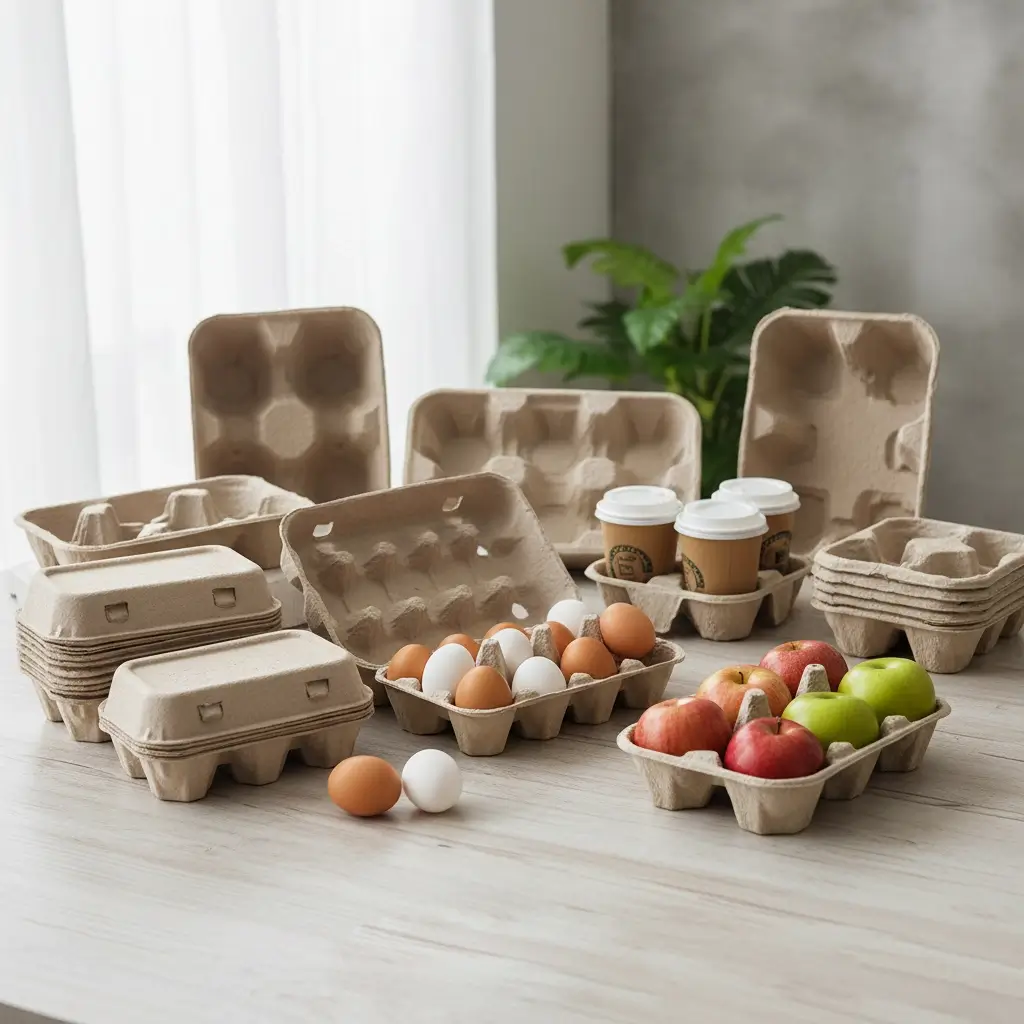
Choose the right paper egg tray machine for your project ROI
A profitable egg tray project depends on more than the machine price. Stable output requires the right match between pulping, forming, drying, mold configuration, energy source, labor model, and factory layout.
Paper Egg Tray Making Machines & Pulp Molding Production Lines
Explore Richon paper egg tray making machine solutions for egg trays, fruit trays, cup carriers, and industrial molded fiber packaging. A suitable egg tray manufacturing machine should be selected by tray type, target output, labor model, drying method, local energy cost, and expected payback period.
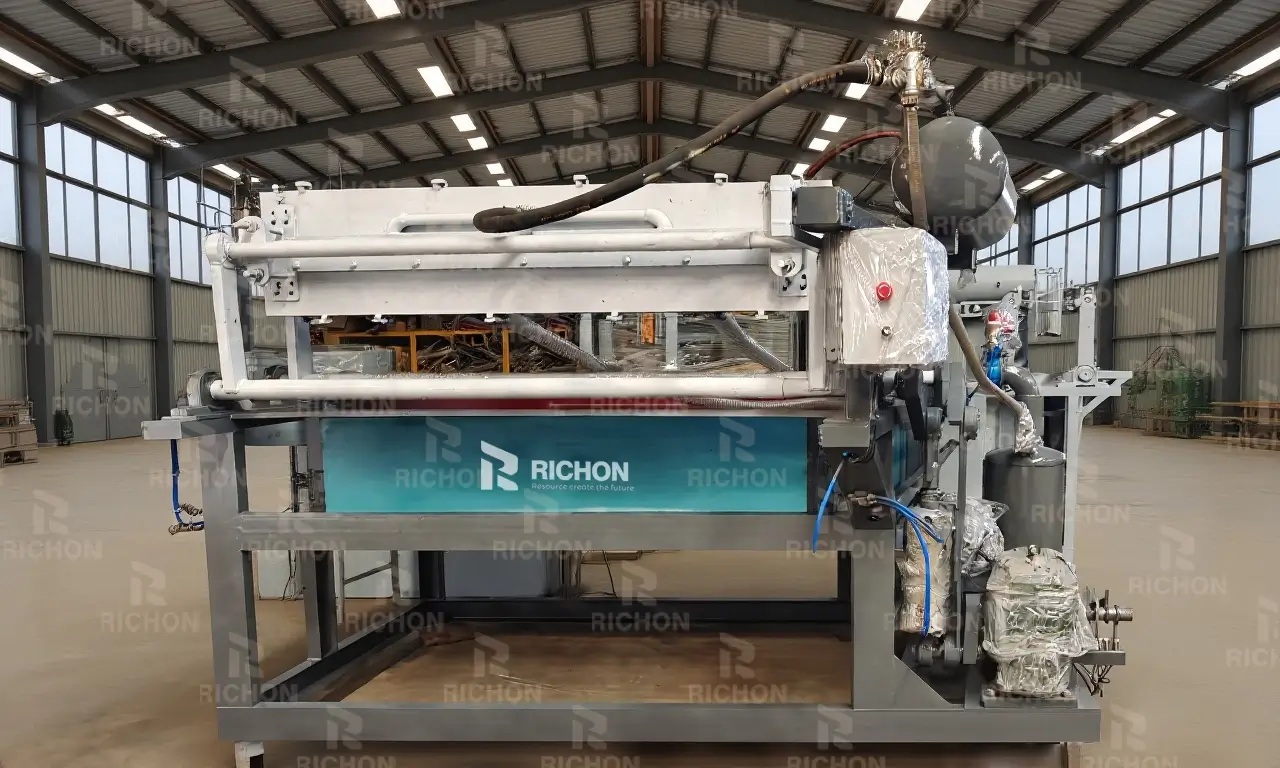
REM Semi-Automatic Line
A small paper egg tray making machine option for first-time investors, pilot projects, and markets where labor cost is manageable.
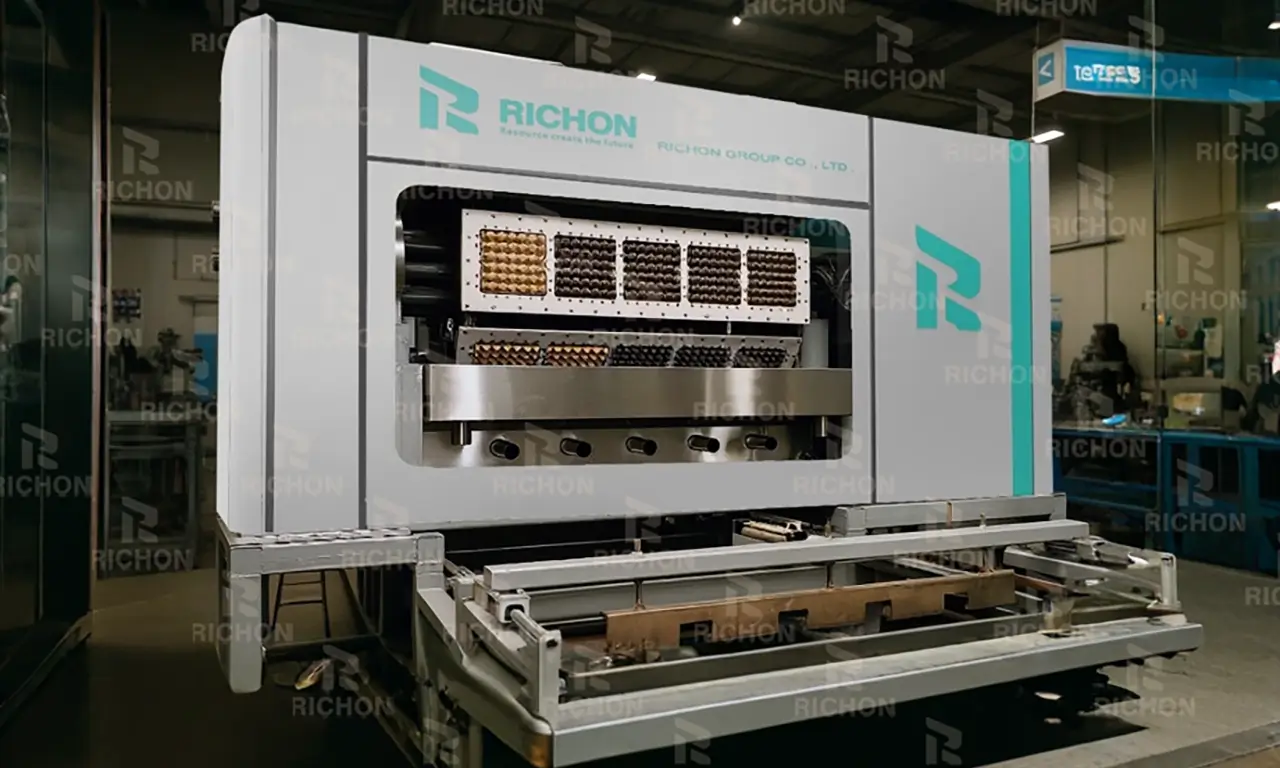
REM Automatic Line
An automatic egg tray manufacturing machine choice for commercial factories that need stable output, labor reduction, matched drying, and better long-term operating cost control.
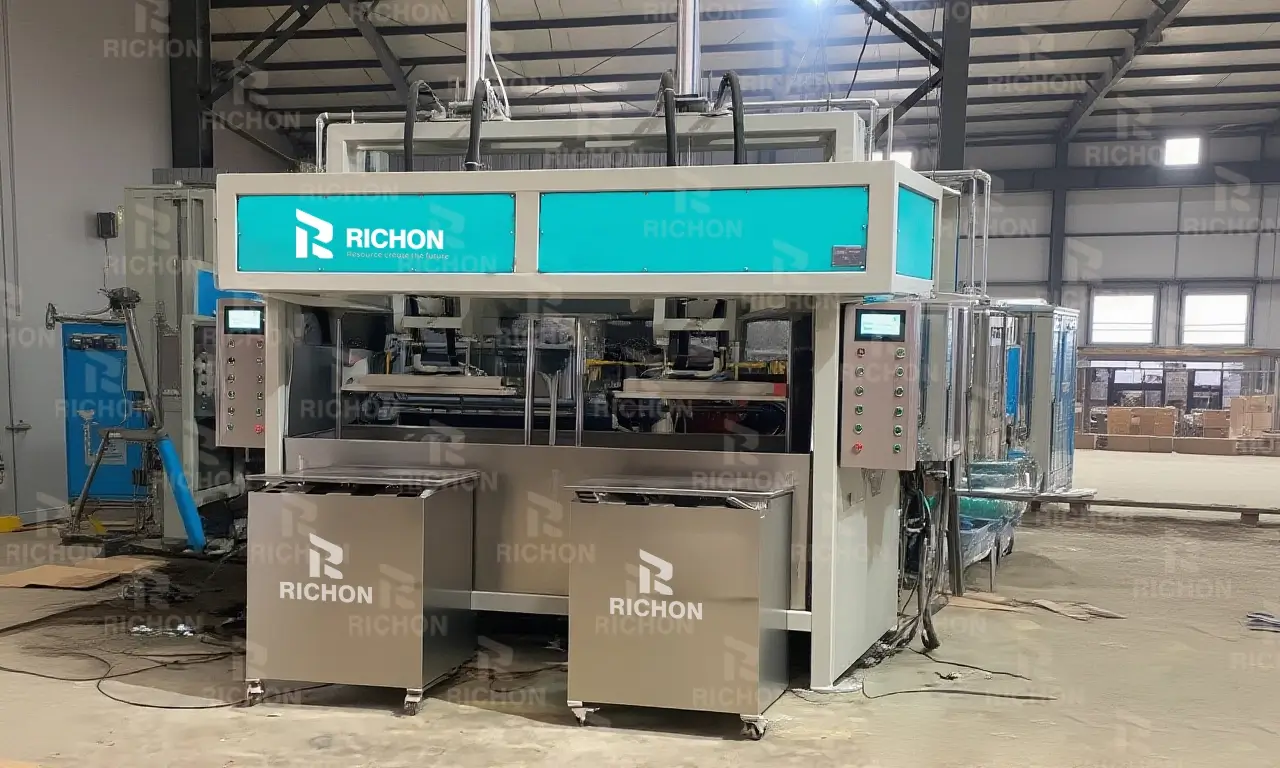
RPM Automatic Line
Built for industrial molded fiber packaging projects where product dimensions, mold changeover, surface quality, and repeatability are important.
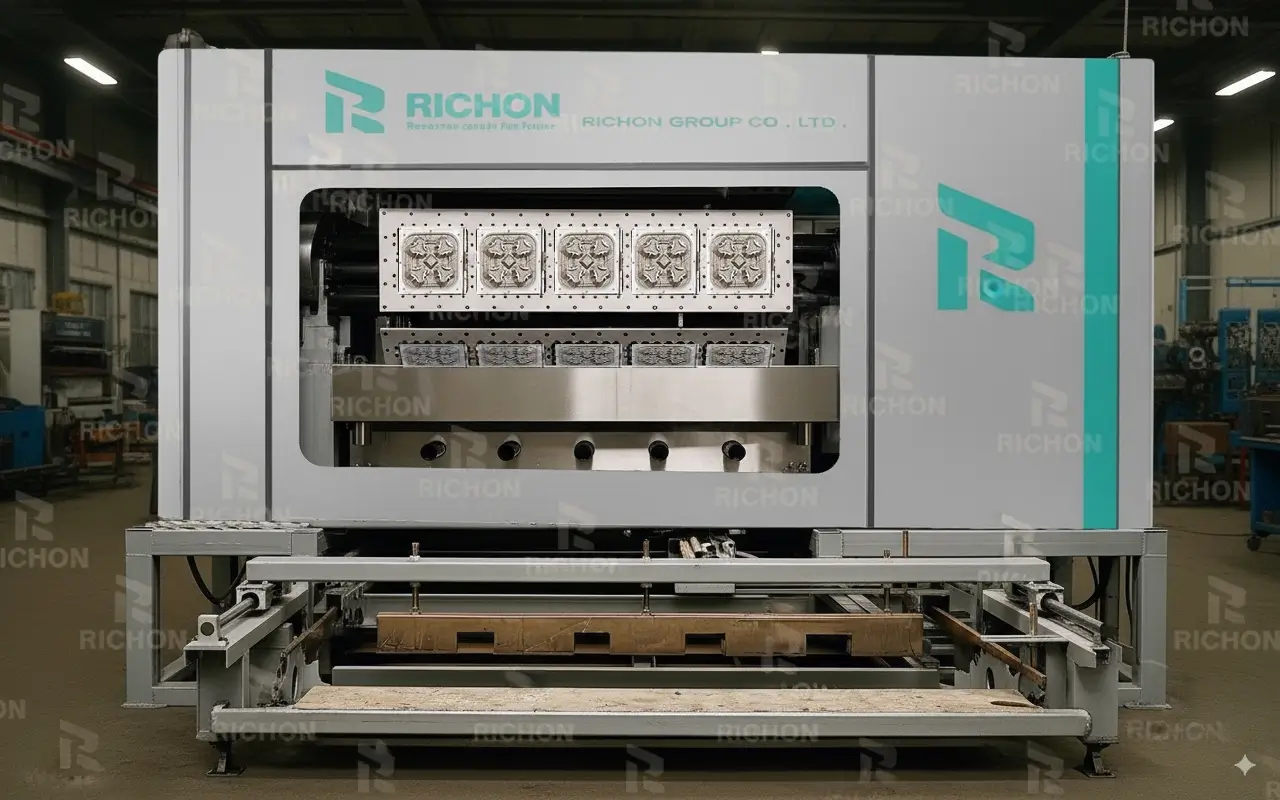
RCM Automatic Line
Designed for higher-volume molded fiber production where line balancing, dryer throughput, energy matching, and long-shift reliability are critical.
Why Choose Richon for Paper Egg Tray Machine Projects
A paper egg tray making machine project should not be selected by machine price alone. Real performance comes from how pulping, forming, drying, molds, utilities, labor, and factory layout work together to support stable output, lower operating cost, and a more predictable payback period.
To recommend a suitable paper egg tray making machine solution, we first review your tray type, target capacity, local energy source, workshop size, labor model, drying method, and ROI target. You can start from the Egg Tray Production Line, then check Mold Technology for tray accuracy and venting, and Drying System Comparison for energy and capacity matching.
Stable Output Over Long Shifts
We look beyond nameplate speed and focus on pulp consistency, vacuum repeatability, transfer timing, mold stability, and dryer matching to protect real working capacity.
Dryer Matching for Lower Energy Waste
Drying is usually one of the biggest operating cost drivers. Matching dryer type and throughput to the wet end helps avoid bottlenecks, unstable moisture, and unnecessary fuel loss.
Mold Accuracy & Process Repeatability
Tray strength, wall thickness, appearance, and stacking consistency depend on mold venting, rigidity, forming balance, and cycle stability, not just machine speed.
Real Production Cost & ROI Review
We compare the cost drivers that matter after installation: drying energy, labor cost, reject rate, downtime, maintenance accessibility, spare parts planning, and expected payback period.
Configuration for Local Conditions
Waste paper quality, energy price, climate, land use, and labor availability differ by market. A practical egg tray manufacturing machine configuration should adapt to those site realities.
Commissioning & Start-Up Support
Installation guidance, trial production, parameter tuning, operator training, and maintenance planning help shorten the learning curve and reduce start-up risk after delivery.
If you already know your tray type, target pcs/h, energy source, workshop size, labor model, and expected payback period, the next step is to match the production line and drying system together before choosing the final machine model.
Paper Egg Tray Making Machine Model Comparison
Use this comparison to narrow the right egg tray making machine model based on paper egg tray machine capacity, working power, labor requirement, drying fuel consumption, operating cost, and ROI planning.
Basic Machine Parameters
Start by comparing production capacity, forming stations, total power, working power, and labor requirement. These figures help identify the basic model range before reviewing drying energy and total project cost.
| Parameters / Models | REM3-1 | REM4-1 | REM3-4 | REM4-4 | REM4-8 | REM5-8 | REM6-8 | REM8-8 |
|---|---|---|---|---|---|---|---|---|
| Production Capacity | 800–1000 pcs/h | 1000–1500 pcs/h | 1700–2200 pcs/h | 2000–2800 pcs/h | 4000–4500 pcs/h | 5000–5500 pcs/h | 6000–6500 pcs/h | 8000–9000 pcs/h |
| Molding Stations | 3 | 4 | 12 | 16 | 32 | 40 | 48 | 64 |
| Total Power | 32 kW | 36–60 kW | 55–74 kW | 58–88 kW | 127–144 kW | 153–190 kW | 226–239 kW | 374 kW |
| Estimated Working Power | 22.4 kW | 25.2–42 kW | 38.5–51.8 kW | 40.6–61.6 kW | 88.9–100.8 kW | 107.1–133 kW | 158.2–167.3 kW | 261.94 kW |
| Labor Required | 3–5 | 4–6 | 4–6 | 4–6 | 4–6 | 5–7 | 6–8 | 6–8 |
Material Consumption Reference
Paper and water consumption affect daily operating cost and raw material planning. Actual consumption may change according to tray weight, waste paper grade, pulp consistency, and drying method.
| Material / Models | REM3-1 | REM4-1 | REM3-4 | REM4-4 | REM4-8 | REM5-8 | REM6-8 | REM8-8 |
|---|---|---|---|---|---|---|---|---|
| Paper Consumption (kg/h) | Natural: 64 | Natural/Brick: 96 Metal: 85 |
Natural: 144 Brick: 160 |
Natural/Brick: 200 Metal: 176 |
Metal/Brick: 340 | Metal/Brick: 425 | Metal/Brick: 520 | Metal: 640 |
| Water Consumption (kg/h) | Natural: 160 | Natural/Brick: 240 Metal: 212.5 |
Natural: 360 Brick: 400 |
Natural/Brick: 500 Metal: 440 |
Metal/Brick: 850 | Metal/Brick: 1062.5 | Metal/Brick: 1300 | Metal: 1600 |
Brick Drying Consumption Reference
Brick drying may fit some lower-cost or mid-capacity projects, but fuel type, workshop space, local climate, and drying management should be reviewed before final selection.
| Fuel / Models | REM3-1 | REM4-1 | REM3-4 | REM4-4 | REM4-8 | REM5-8 | REM6-8 | REM8-8 |
|---|---|---|---|---|---|---|---|---|
| Coal (kg/h) | 55–65 | 60–70 | 70–80 | 94–104 | 115–125 | 140–150 | 170–180 | 230–240 |
| Natural Gas (m³/h) | 32–42 | 38–48 | 44–54 | 60–70 | 74–84 | 92–102 | 100–110 | 130–140 |
| Diesel (kg/h) | 26–36 | 30–40 | 35–45 | 50–60 | 60–70 | 74–84 | 83–93 | – |
Metal Drying Consumption Reference
Metal drying is usually more suitable for higher-capacity paper egg tray production lines that require continuous output, controlled moisture, and better drying stability.
| Fuel / Models | REM3-1 | REM4-1 | REM3-4 | REM4-4 | REM4-8 | REM5-8 | REM6-8 | REM8-8 |
|---|---|---|---|---|---|---|---|---|
| Natural Gas (m³/h) | 25–35 | 30–40 | 35–45 | 48–58 | 60–70 | 75–85 | 90–100 | 120–130 |
| Diesel (kg/h) | 20–30 | 23–33 | 27–37 | 40–50 | 48–58 | 60–70 | 67–77 | 90–100 |
How to Use This Model Comparison
The right paper egg tray making machine should not be selected by machine price alone. Drying energy, labor cost, paper consumption, output stability, maintenance needs, workshop layout, and expected payback period should be reviewed together before choosing the final model.
International Paper Egg Tray Machine Project Cases
These paper egg tray machine project cases show how real production results depend on more than model selection. Local climate, waste paper quality, energy source, dryer matching, workshop layout, commissioning, and ROI target should be reviewed before choosing the final egg tray production line.
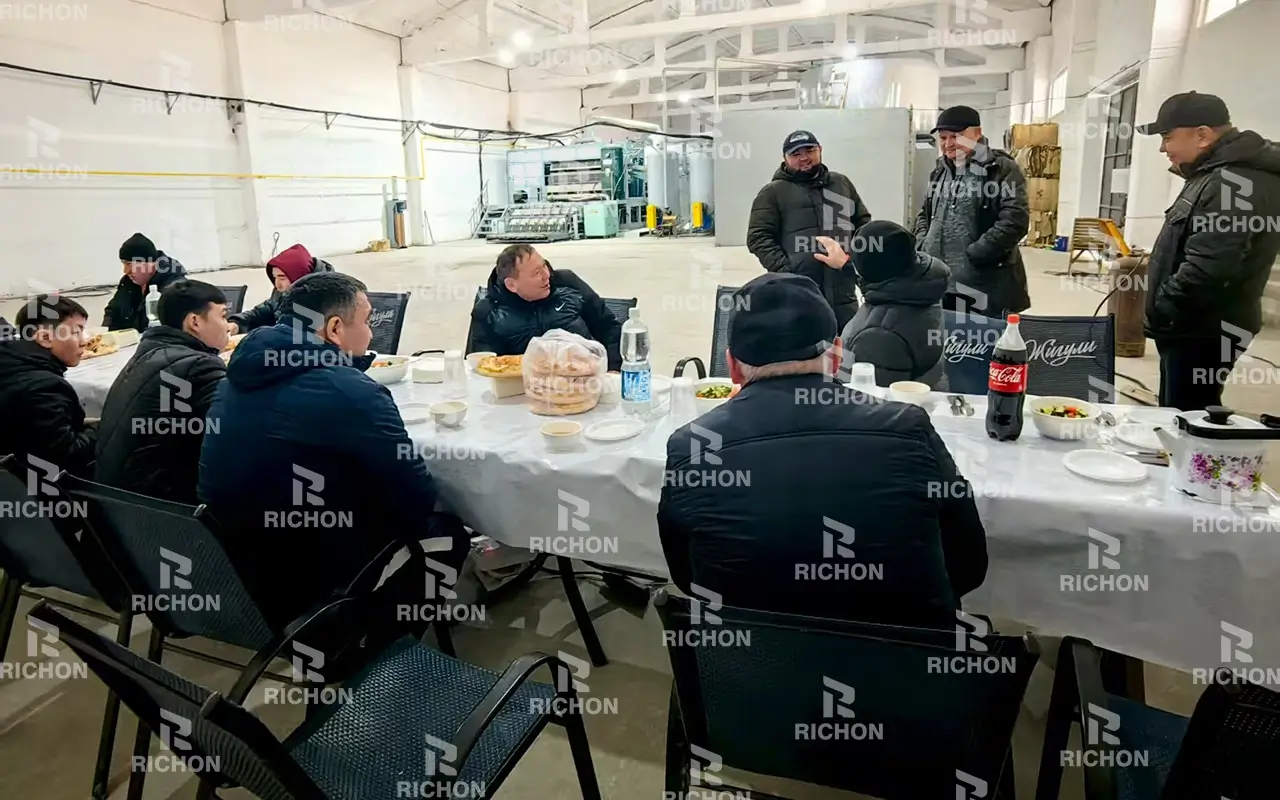
Russia Paper Egg Tray Machine Project
For cold-climate egg tray production, the REM4-8 configuration was matched around stable forming, reliable utilities, and drying capacity. Winter conditions require more attention to energy stability, condensation control, and long-shift process repeatability.
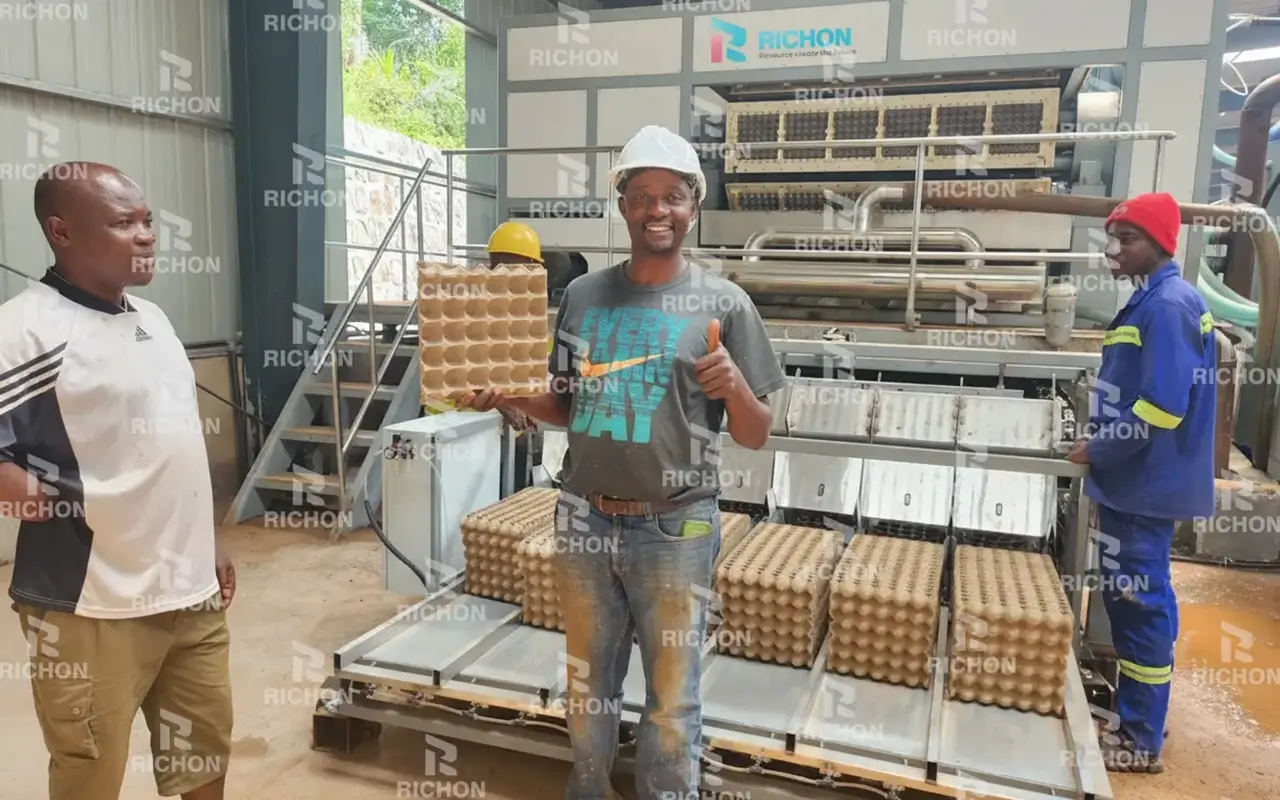
Cameroon Paper Egg Tray Production Line
In hot and humid African markets, drying throughput, airflow management, fuel availability, and mixed waste paper quality directly affect tray strength and moisture stability. A suitable paper egg tray making machine must be matched with the right dryer and process control plan.
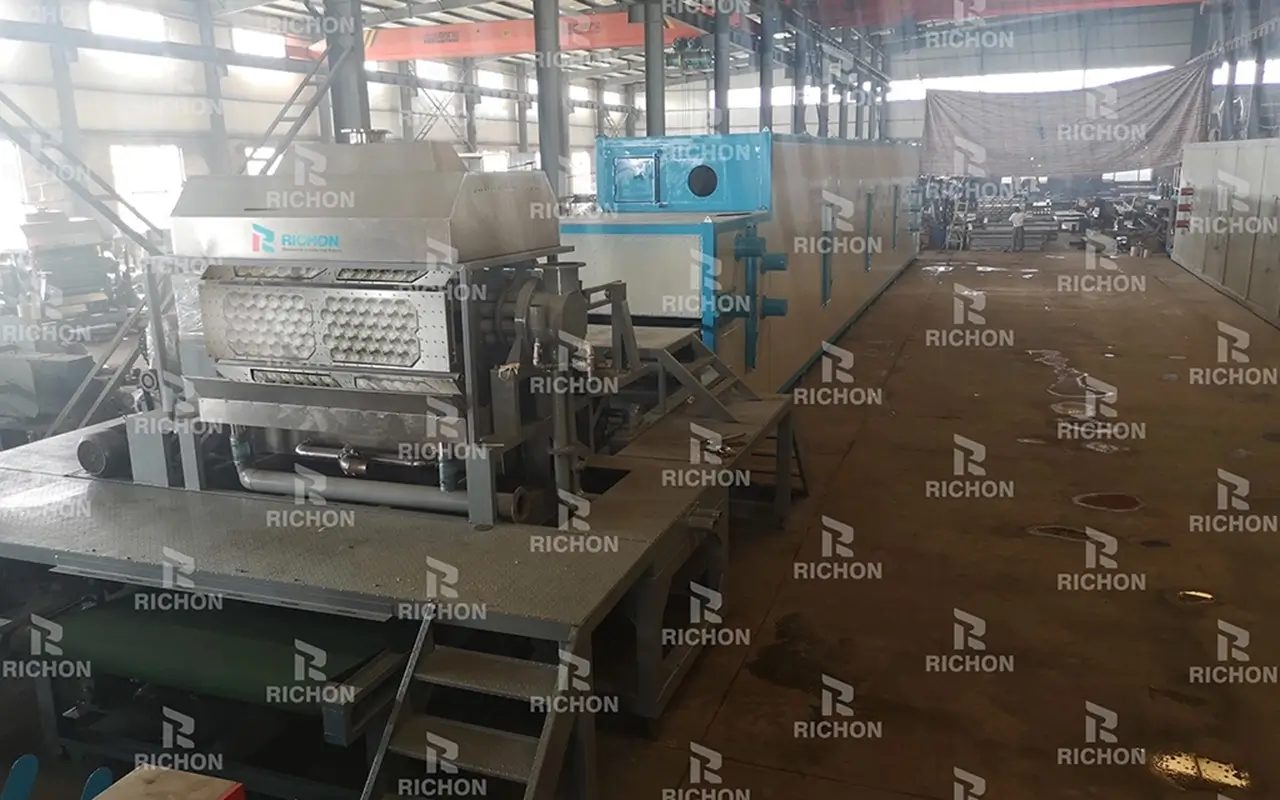
India Egg Tray Manufacturing Machine Case
Higher-demand markets need an egg tray manufacturing machine that can maintain repeatability over time. Mold alignment, venting quality, maintenance discipline, and drying balance often decide long-run output and reject rate.
Match Your Local Project Conditions
If your local project conditions are already clear, the fastest way to reduce selection risk is to match tray type, target output, waste paper grade, energy source, workshop constraints, labor model, ROI target, and expected payback period before selecting the final paper egg tray making machine configuration.
Paper Egg Tray Making Machine FAQ
These are the most common pre-purchase questions about egg tray making machine price, capacity, raw materials, drying system selection, ROI, installation, and project proposal planning.
Richon paper egg tray making machines cover entry-level output to higher-capacity industrial production. In practice, the right model depends on tray type, target pcs/h, cycle stability, drying method, labor model, and shift plan, not only the nominal capacity figure.
The egg tray making machine cost depends on production capacity, automation level, mold quantity, drying system, workshop layout, utility conditions, and installation requirements. A lower machine price does not always mean lower project cost, because drying energy, labor, reject rate, and maintenance also affect long-term ROI.
Common raw materials include waste newspaper, cardboard, office paper, corrugated paper, and other recyclable paper grades. The actual pulping recipe depends on local waste paper quality, contaminant level, fiber strength, and the required strength of the finished paper pulp egg tray.
The basic process is waste paper collection, pulping, screening, refining, vacuum forming, drying, stacking, and packing. A complete paper egg tray production line should match the pulping system, forming machine, drying system, mold design, and factory layout together to keep tray weight, moisture, and strength stable.
Drying selection depends on target output, local energy source, climate, land use, labor model, and investment budget. Natural drying may fit small or low-investment projects, brick drying may fit some mid-capacity markets, and metal drying is usually better for higher-capacity production with more controlled moisture and continuous output.
To improve ROI, compare not only the machine price but also drying energy, labor cost, waste paper consumption, reject rate, maintenance cost, output stability, and expected payback period. The best configuration should match your local market demand, energy price, factory size, and target production scale.
Yes. With suitable mold design and line matching, one pulp molding production line can also produce fruit trays, cup carriers, bottle separators, and some protective packaging products. Product switching should consider mold change strategy, forming cycle, drying load, and quality requirements.
The most useful inputs are tray type, target pcs/h, shift plan, local waste paper grade, available energy source, workshop size, labor conditions, budget range, and expected payback period. With those details, it is easier to recommend a practical paper egg tray making machine and drying configuration.
Need a Paper Egg Tray Machine Recommendation?
Send your tray type, target output, local energy source, workshop size, labor model, and ROI target. We can help match a suitable paper egg tray making machine, drying system, and production line configuration based on your actual project conditions.
Project Consultation
Need to confirm capacity, drying layout, or investment plan?
Share your target output, factory conditions, and drying preference. Richon engineers will help review a suitable egg tray production line configuration for your project.