


How Much Electricity Does an Egg Tray Machine Consume? (Full Power & Cost Breakdown)
Understanding the electricity consumption of an egg tray machine is essential for factory planning, cost control, and ROI evaluation.
Whether you are starting a new project or optimizing an existing production line, energy cost directly impacts your profit margin.
If you are still planning your factory setup, you can also refer to this guide on
👉 factory space requirements:
Quick Answer: How Much Electricity Does an Egg Tray Machine Use?
In general, the electricity consumption depends on machine capacity and drying method:
- Small capacity (1000 pcs/h): 60–120 kWh per hour
- Medium capacity (3000–5000 pcs/h): 120–250 kWh per hour
- Large fully automatic lines (8000–10000 pcs/h): 250–500+ kWh per hour
👉 Key insight:
The drying system accounts for 60–80% of total energy consumption.
Electricity Consumption by Production Stage
To better understand where electricity is used, you can also review the full
👉 процесс производства лотков для яиц:
Система пульпирования
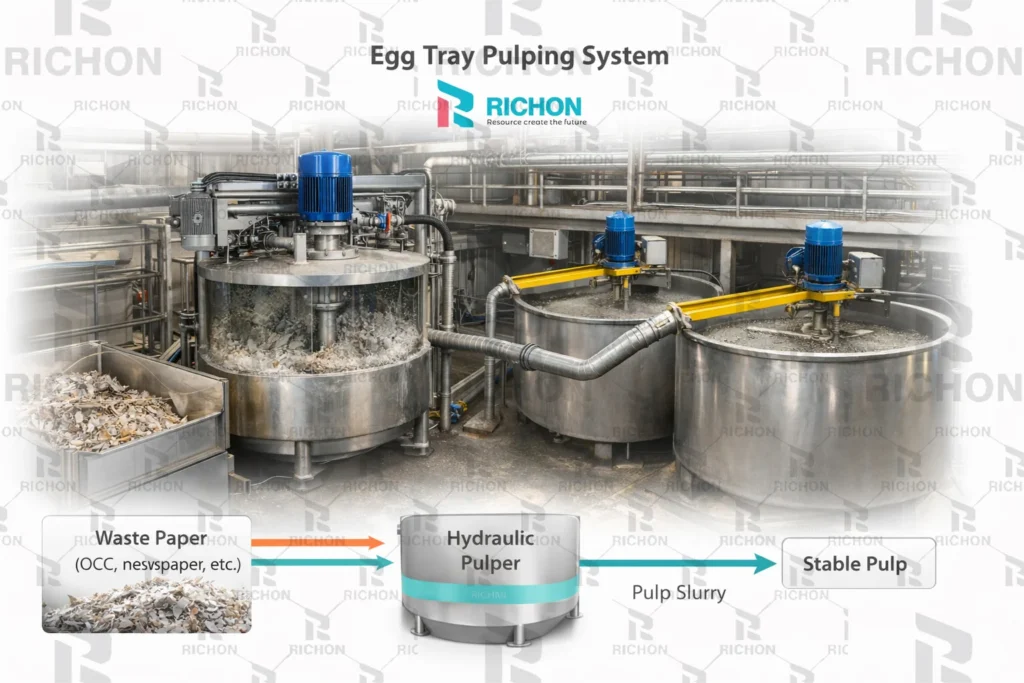
The pulping system includes:
- Гидравлический измельчитель
- Water pumps
- Agitation system
Power consumption:(There are significant differences between the various configurations.)
👉 55–120 kW
This stage is closely related to water usage. You can read more about
👉 water consumption in egg tray production:
Формовочная машина
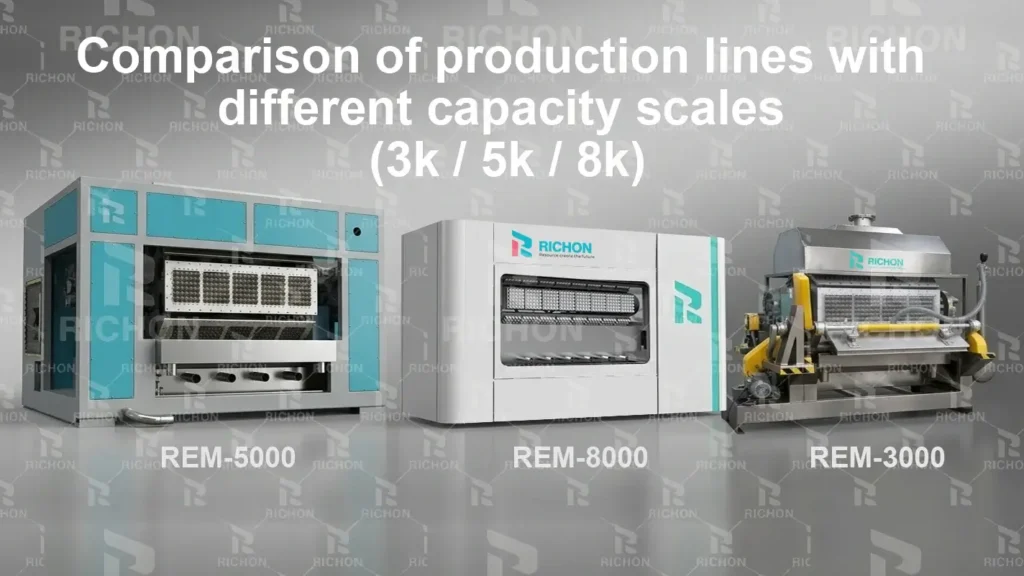
The forming section uses:
- Vacuum pumps
- Air compressors
- Servo or motor systems
Power consumption:(There are significant differences between the various configurations.)
👉 80–180 kW
The choice of equipment and raw materials also impacts efficiency. Learn more about
👉 raw materials for egg tray production:
Drying System (Main Energy Consumer)
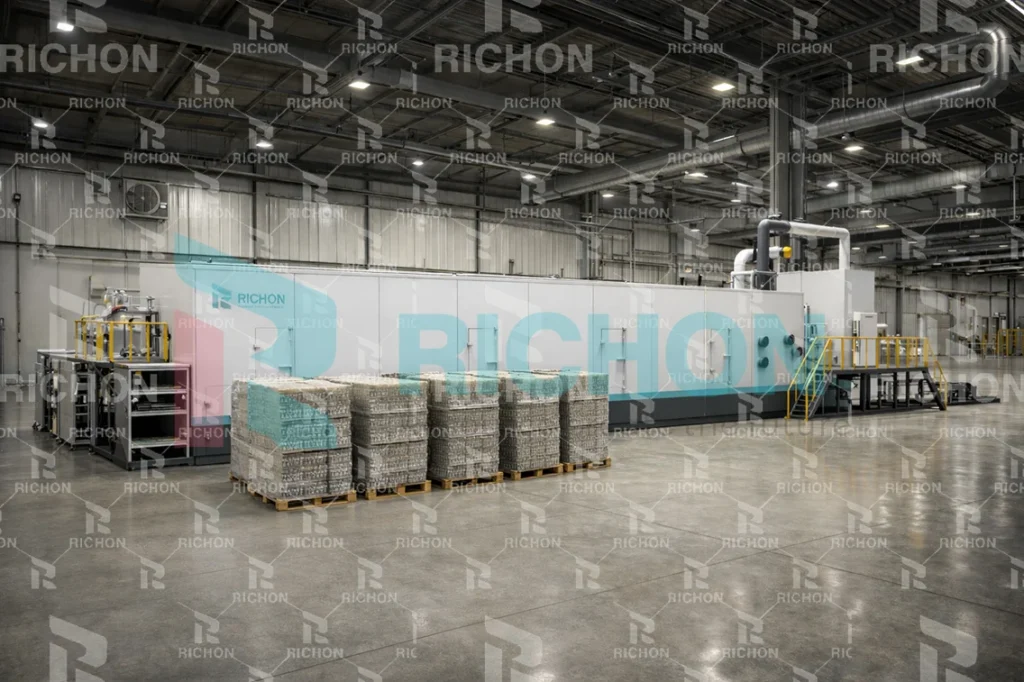
Drying is the most energy-intensive stage.
Typical consumption:
- Metal drying system: 37–85+ kW
- Natural drying: near zero electricity (but weather dependent)
For a deeper comparison of drying solutions, check:
👉 egg tray drying system guide:
👉 Engineering conclusion:
Drying accounts for 22–34% of total energy consumption.
Hot Press & Packing
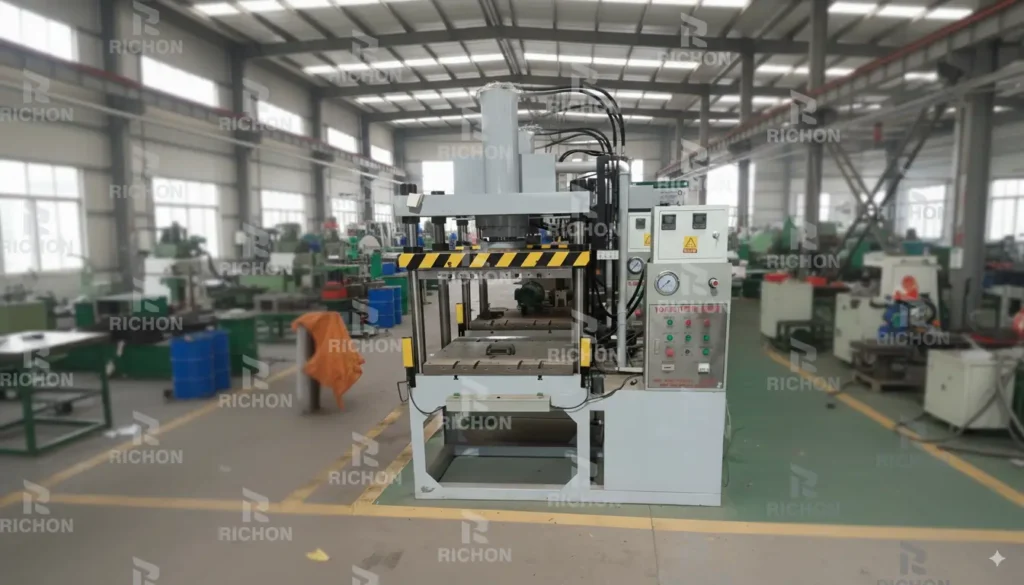
Final shaping and packing require minimal power.
Power consumption:
👉 21–45 kW
Power Consumption by Machine Capacity
The total electricity usage scales with production capacity.(In all cases, let’s take the drying of metals as an example.)
| Емкость | Total Power (kW) | kWh per Hour | kWh per 1000 Trays |
|---|---|---|---|
| 1000 шт./час | 60 kW | 42 | 42 |
| 3000 pcs/h | 88 kW | 62 | 31 |
| 6000 pcs/h | 239.2 kW | 167.3 | 27.8 |
| 10000 pcs/h | 374 kW | 261.8 | 26.18 |
👉 Key insight:
Larger machines are more energy-efficient per unit output.
Real Factory Electricity Cost Calculation
Let’s take a real example:
Case: 6000 pcs/hour production line
- Electricity consumption: 167.3 kWh/hour
- Electricity price: $0.10/kWh
Cost Calculation:
- Hourly cost:
👉 167.3 × 0.10 = $16.7/hour - Daily cost (20 hours):
👉 $334/day - Monthly cost(30 days):
👉 $10020/month
Cost per Egg Tray:
👉 Approx. $0.002–0.003 per tray
If you want a full investment overview, you can also read:
👉 egg tray machine cost breakdown & ROI guide:
What Affects Power Consumption?
Several factors influence energy usage:
- Drying method (most critical factor)
- Machine automation level (servo vs conventional)
- Raw material moisture content
- Equipment design efficiency
- Production stability and downtime
For a deeper technical analysis, see:
👉 energy consumption analysis of egg tray production:
How to Reduce Electricity Cost in Egg Tray Production
Optimizing energy consumption can significantly improve profitability.
Key strategies:
- Use metal drying systems with heat recovery
- Optimize airflow and temperature control
- Upgrade to servo-driven forming machines
- Reduce moisture before entering drying stage
- Use high-efficiency, energy-saving motor equipment.
- Optimize the production processes of the equipment line, avoiding the use of unnecessary power-consuming devices.
👉 Engineering result:
Energy consumption can be reduced by 20–40% with proper system design.
If you are selecting equipment, explore:
👉 automatic egg tray production line solutions:
Electricity vs Fuel Cost Comparison
Different energy sources impact operating costs:
| Energy Type | Уровень затрат | Stability |
|---|---|---|
| Электричество | Высокий | Very stable |
| Natural Gas | Середина | Price fluctuation |
| Biomass Fuel | Низкий | Depends on supply |
👉 Choosing the right energy source depends on local conditions and infrastructure.
Internal Engineering Insight: Energy Distribution
Typical energy breakdown:
- Система сушки: 60–80%
- Формовочная система: 10–20%
- Others: <10%
👉 This is why optimizing drying delivers the highest ROI.
Related Guides for Factory Planning
To fully plan your egg tray production line, you should also read:
Часто задаваемые вопросы
How many kWh does an egg tray machine use per hour?
Typically between 60 kWh and 500 kWh per hour, depending on capacity and drying system.
What is the electricity cost per egg tray?
Usually around $0.002–0.004 per tray, depending on local electricity price.
Which part consumes the most electricity?
Он система сушки, accounting for up to 80% of total energy consumption.
How can I reduce energy consumption?
By optimizing drying design, improving airflow, and using high-efficiency equipment.
Заключение
Electricity consumption is one of the most important factors in egg tray production economics.
By understanding where energy is used and how to optimize it, you can significantly reduce operating costs and improve profitability.
Need Help Choosing the Right Solution?
If you are planning a new egg tray factory or want to optimize energy consumption, our engineering team can provide:
- Customized capacity design
- Energy optimization solutions
- Full production line layout
Нужны рекомендации по пропускной способности для вашего рынка?
Укажите желаемую производительность, местные условия влажности/энергопотребления и тип лотка. Наши инженеры предложат подходящий вариант. 3000–8000 шт./час конфигурация и решение для сушки.
- Контрольный список планировки и инженерных коммуникаций завода
- Оценка узких мест сушки
- Справочная информация по оценке затрат и рентабельности инвестиций.
Получите быструю инженерную проверку.
Ответ в течение 24 часов (рабочих дней).
Связаться с нашими инженерами →