


Start Your Egg Tray Production Project
From waste paper recycling to stable industrial output, this engineering guide helps you plan an egg tray factory step by step — including raw material selection, equipment configuration, factory layout, commissioning, and production ramp-up.
How to Start an Egg Tray Production Project (Step-by-Step)
This roadmap follows real engineering logic: from raw material evaluation and capacity planning to equipment selection, factory setup, commissioning, and stable operation. Each step reduces risk and improves return on investment.
Оценка сырья и площадок
Waste paper supply, utilities, and layout zoning
Evaluate available waste paper (OCC, newspaper, mixed paper) and confirm workshop conditions. Stable raw material supply and proper layout design are the foundation of long-term production stability.
- Confirm waste paper sourcing stability
- Define wet zone and dry zone separation
- Check water, power, and drainage conditions
Capacity Planning & Equipment Selection
Output target, automation level, ROI balance
Select the production capacity (e.g. 3,000–5,000 pcs/h) based on market demand and labor cost. Choose forming system, mold type, and drying configuration to balance investment and efficiency.
- Define daily output and shift plan
- Match automation level with labor cost
- Select drying system based on energy conditions
Монтаж и ввод в эксплуатацию
System setup, parameter tuning, stability
Commissioning converts equipment into a working system. Focus on pulp consistency, vacuum stability, forming cycle, and drying balance to achieve repeatable production.
- Utilities testing (water, vacuum, heating)
- Parameter tuning and logging
- Initial production trial and QC setup
Training & Stable Operation
SOP, maintenance, quality control
Long-term success depends on daily operation discipline. Establish SOPs, maintenance schedules, and QC routines to maintain stable output and reduce rejection rates.
- Operator training and SOP standardization
- Mesh cleaning and mold maintenance
- Quality tracking (weight, moisture, strength)
Рекомендуемая конфигурация для 3000–5000 шт./час
This is the most practical mid-size capacity for many first-time investors and expanding factories. The engineering target is clear: Стабильный выход + постоянная прочность лотка, с уровнем автоматизации, снижающим нагрузку на рабочую силу. Ниже представлена структура конфигурации, которая работает в разных странах благодаря адаптации. стратегия сушки и план коммунальных услуг.
This configuration is the most common starting point for investors entering egg tray production, balancing capacity, labor cost, and investment risk.
Предлагаемый объем работ (базовый инженерный план)
Сконфигурируйте линию как единую систему: стабильность процесса варки → повторяемость формования → производительность сушки → ритм упаковки.
Для производительности 3000–5000 шт./час мы рекомендуем конфигурацию, позволяющую осуществлять непрерывное производство с приемлемым уровнем трудозатрат. Точная модель зависит от типа лотков, качества местной макулатуры и стоимости электроэнергии. Приведенный ниже диапазон является базовым для надежного промышленного производства.
- Цикл целлюлозно-бумажного производства и переработки: hydrapulper + screening/cleaning + pulp tank circulation to stabilize consistency.
- Формовочная система: Автоматическое формование с использованием стабильной вакуумной системы и удобной для сетки конструкции пресс-формы.
- Система сушки: sized to match forming output, using brick or multi-layer metal dryers based on climate and fuel.
- Складирование и упаковка: Полуавтоматическая или автоматическая укладка для предотвращения заторов после сушки.
- Пакет документов для ввода в эксплуатацию: Журнал параметров + стандартная операционная процедура отбора проб для контроля качества + процедура обучения оператора.
Стратегия сушки (самое важное)
На линиях с производительностью 3–5 тыс. единиц сушка часто является узким местом. Выбирайте тип сушилки в зависимости от климата и типа топлива, а также согласовывайте производительность с объемом формовки.
- В условиях влажного климата: конструкция системы вентиляции и вытяжки имеет значение.
- Энергетическое планирование: варианты использования газа/дизельного топлива/биомассы/пара
- Предотвращение деформации: сбалансированные температурные зоны
Подготовка инженерных сетей и мастерской
Большинство задержек происходит до прибытия оборудования. Готовность цеха к работе делает установку и ввод в эксплуатацию быстрее и безопаснее.
- Проектирование дренажной системы и противоскользящего покрытия для влажных зон
- Электрощитовая изолирована от влажных зон.
- Прокладка вакуумных и водяных контуров осуществляется в сжатом виде.
Контроль качества и стабильности
Stable quality is a parameter issue, not a luck issue. Set simple QC sampling that operators can do daily.
- Мониторинг тенденций изменения толщины и веса
- Конечный целевой уровень влажности для обеспечения возможности штабелирования.
- График очистки сетки для уменьшения количества брака.
Запросите предложение по конфигурации (3–5 тыс. единиц) с учетом условий вашей страны.
Укажите желаемый тип лотка, качество местной макулатуры, источник энергии и размер цеха. Мы порекомендуем сбалансированную конфигурацию (формование + сушка + инженерные коммуникации) и предоставим контрольный список для ввода в эксплуатацию, чтобы быстрее достичь стабильного объема производства.
If you’re not sure whether 3–5k pcs/h is suitable for your market, we can recommend a configuration based on your raw materials, labor cost, and energy conditions.
Типичный график для 3–5 тыс. шт./час Проект
Данный график основан на реальной логике ввода в эксплуатацию: самые быстрые проекты — это те, которые предусматривают подготовку коммуникаций и планировку до отгрузки. Ниже представлена практическая дорожная карта от планирования до стабильного производства с четкими результатами на каждом этапе.
Most successful projects reach stable production within 8–12 weeks when utilities and layout are prepared in advance.
От планирования к стабильному производству
The goal is not machine arrival, but стабильное производство. Ввод в эксплуатацию и настройка контроля качества имеют решающее значение для обеспечения стабильной прочности лотков.
Планировка и инженерные коммуникации
Confirm workflow zoning, utilities routing, and drying strategy matched to climate and energy conditions.
- Завершение разметки: смачивание → формование → сушка → чистая упаковка
- Контрольный список инженерных коммуникаций: электроснабжение, водопровод, вакуумная система, отопление, вентиляция.
- Подтвердите тип лотка и конфигурацию пресс-формы.
Производственные и предотгрузочные проверки
Equipment manufacturing plus internal checks help reduce onsite adjustment time and startup risk.
- Проверка выравнивания формировочной станции
- Подтверждение схемы вакуумной системы и трубопроводов.
- Dryer zoning and airflow plan confirmation
Завершение подготовки к отгрузке и установке оборудования.
While equipment ships, your team completes foundations, drainage, electrical routing, and workshop clearance.
- Foundation and drainage completed in wet zone
- Электрощитовая изолирована от влажной зоны.
- Ventilation and exhaust prepared near dryer
Пробный запуск установки и инженерных сетей
Mechanical installation, pipe routing, and utilities testing before wet commissioning begins.
- Проверка стабильности вакуума и проверка на герметичность
- тест контура циркуляции воды
- Dryer heat and airflow response test
Ввод в эксплуатацию с использованием моечных технологий и опытно-промышленный запуск
Настройка на системном уровне: консистенция пульпы → цикл формования → баланс сушки → ритм упаковки.
- Установите базовые параметры и ведите журнал настройки.
- Организуйте контроль качества путем отбора проб: толщина, вес, влажность.
- Operator SOP training for daily production routine
Наращивание объемов производства до стабильного уровня.
В большинстве случаев заводы достигают стабильного объема производства после того, как операторы научатся последовательно выполнять стандартные операционные процедуры (СОП) и устранять неполадки на основе данных.
- Daily inspection and weekly maintenance schedule
- Отслеживание процента отказов и устранение первопричин проблем.
- Finalize spare parts plan for long-term uptime
Хотите получить график, соответствующий условиям вашего семинара и вашей страны?
Send your workshop size, climate, energy source, waste paper type, and target output (3k / 4k / 5k pcs/h). We’ll reply with a practical plan: layout notes, utilities checklist, and a commissioning roadmap for stable output.
Understanding the Egg Tray Production System
Стандартная линия по производству формованных лотков для яиц представляет собой четырехэтапный производственный процесс: Измельчение → Формование → Сушка → Упаковка.Целью инженеров является не только скорость производства, но и стабильная прочность лотков, низкий процент брака и предсказуемые эксплуатационные расходы.
Before finalizing your project plan, it’s important to understand how each system works together in the production line.
Варка целлюлозы
Fiber disintegration and impurity removal to stabilize pulp quality before molding.
Формирование
Vacuum dewatering and mold accuracy control tray thickness, shape, and repeatability.
Сушка
Heat and airflow balance reduce moisture while protecting strength and minimizing deformation.
Упаковка
Stacking rhythm and bundling must match output to reduce labor pressure and product damage.
Контрольные точки в инженерных расчетах, определяющие долгосрочные результаты.
Many lines can run fast during a demo. Industrial production requires repeatability. In practice, stable output comes from однородная мякоть, предсказуемое обезвоживание плесени, и а Система сушки, подобранная с учетом производительности и климатических условий..
If you want deeper technical details, use the dedicated pages on технология литья и сравнение систем сушки.
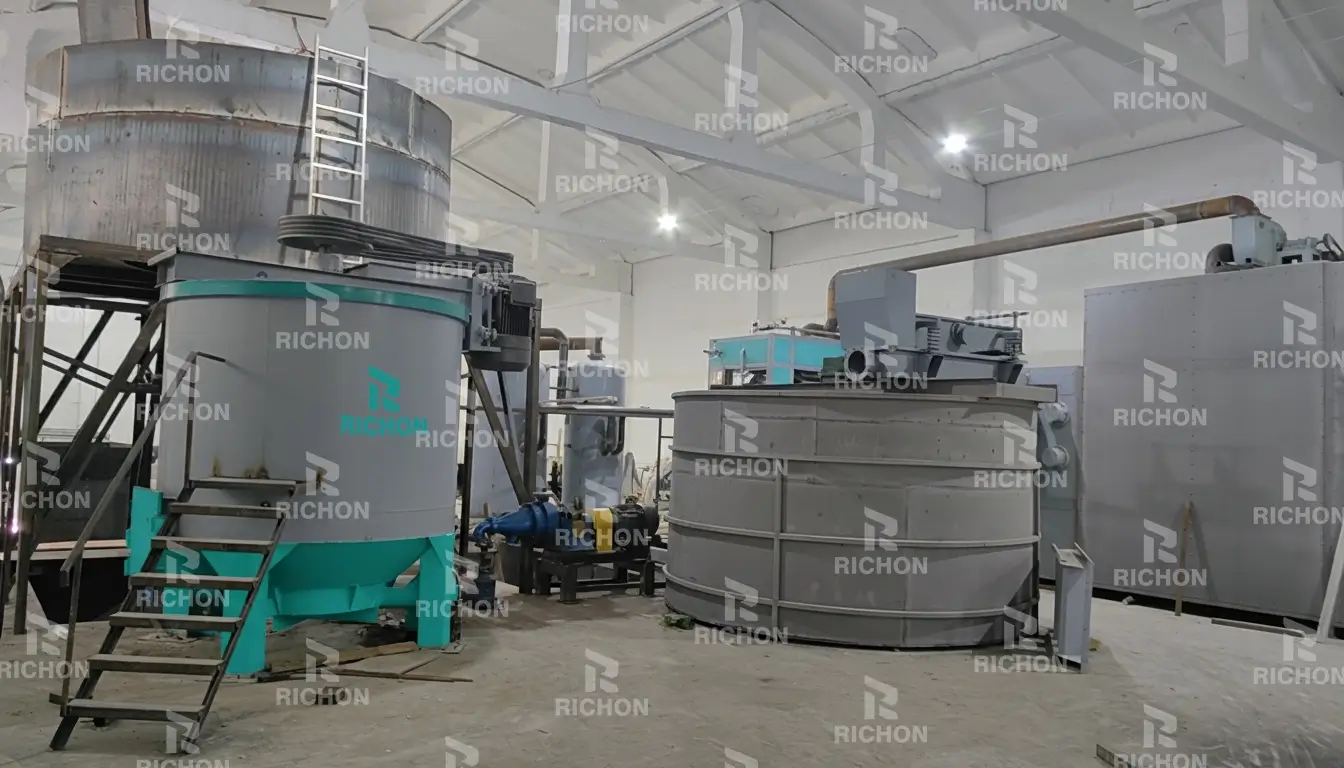
Система переработки макулатуры
Разделение, очистка и рафинирование волокон для получения стабильной целлюлозы на формовочной станции.
Чего должна достичь эта система?
- Быстрое измельчение волокон с помощью гидропульпера
- Высокоэффективная очистка для удаления загрязнений.
- Улучшение качества волокна и обеспечение стабильности его структуры.
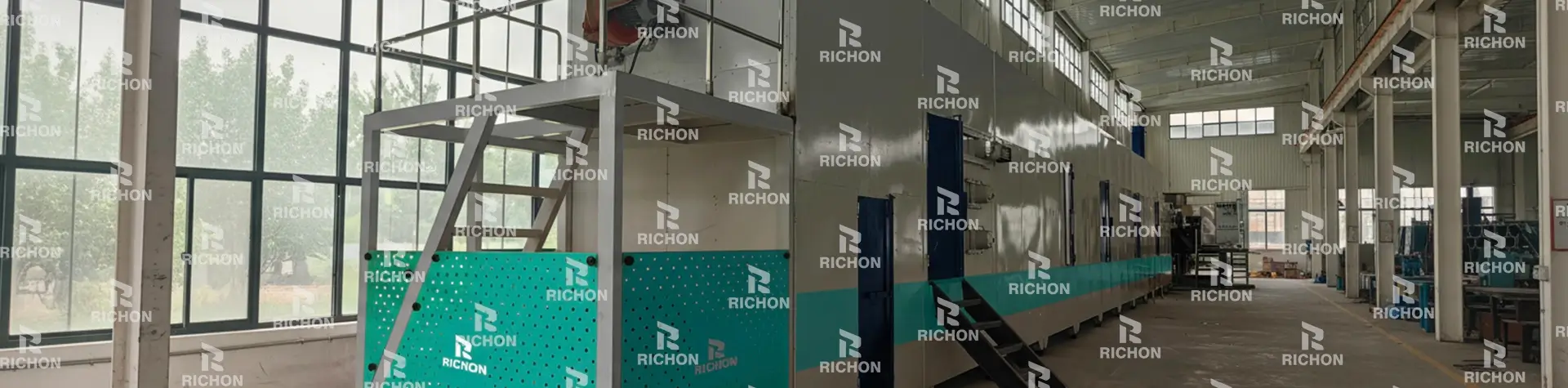
Система формования и формования лотков для яиц
Вакуумная формовка с использованием прецизионных пресс-форм позволяет контролировать толщину, поверхность и прочность лотка.
Ключевые инженерные аспекты
- Стабильное вакуумное обезвоживание для обеспечения повторяемого времени цикла.
- Точность пресс-формы и состояние сетки определяют поверхность лотка.
- Быстросменные формы для различных типов лотков
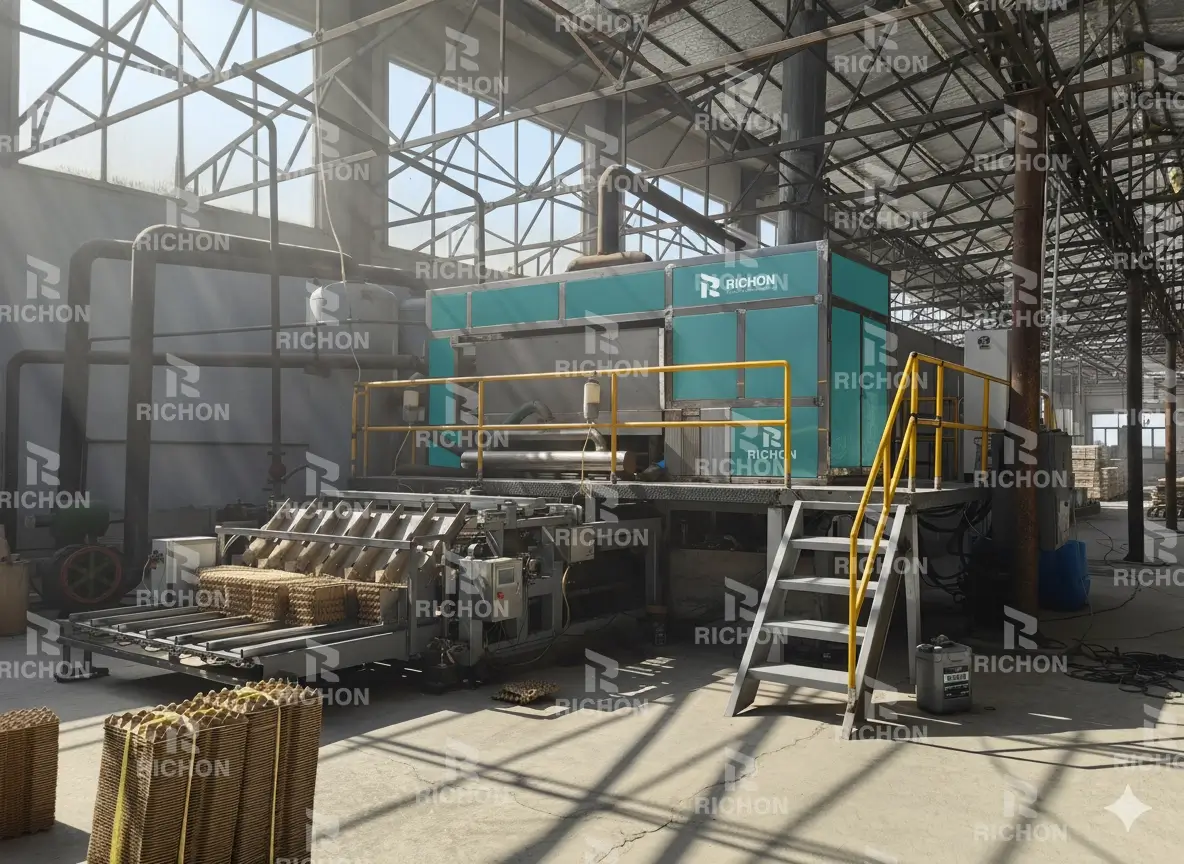
Система сушки
Контроль температуры и воздушного потока для достижения целевой влажности при сохранении стабильной прочности и низких энергозатрат.
Сушка — это система, а не нагреватель.
- Циркуляция горячего воздуха для равномерного удаления влаги
- Time and temperature control for stable tray strength
- Производительность соответствует мощности формования.
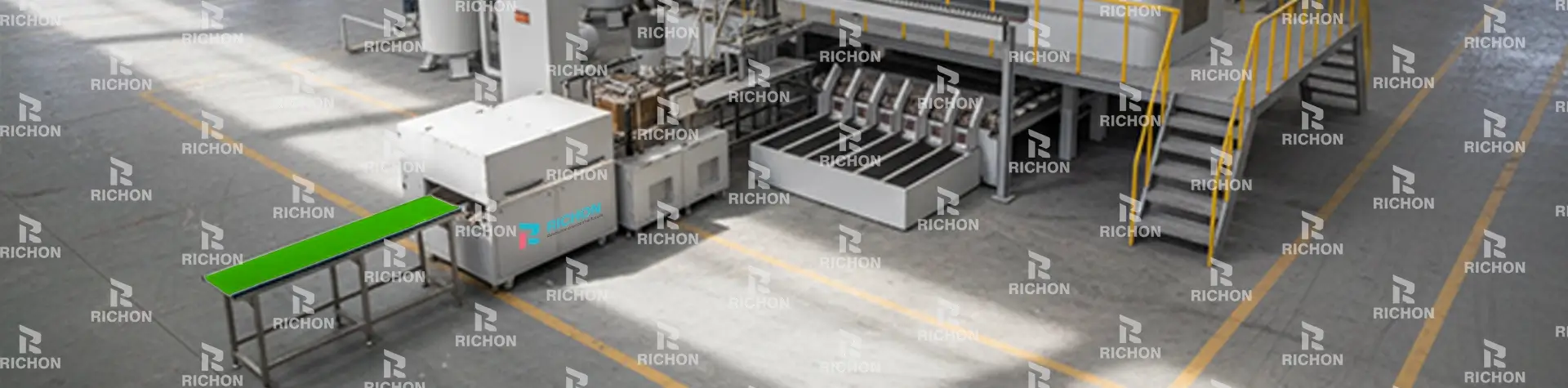
Система штабелирования и упаковки
Обработка после сушки, обеспечивающая сохранение формы изделия и соответствие ритму работы производственной линии.
Сокращение трудозатрат и стабилизация качества доставки.
- Автоматическая укладка и комплектация для обеспечения единообразия упаковки.
- Упаковка соответствует размеру лотка и логистическим потребностям.
- Разработанный рабочий процесс для предотвращения узких мест
Планирование проекта: мощность, компоновка, энергопотребление и факторы, влияющие на рентабельность инвестиций.
Investment and payback depend on capacity level, automation scope, local waste paper cost, energy price, and drying strategy. For global buyers, the fastest way to reduce project risk is a complete system plan: layout, utilities, mold configuration, and drying throughput matched to target output.
Raw Material Selection & Fiber Preparation Engineering
Raw material selection directly affects product strength, production stability, and overall operating cost. In waste paper egg tray production, proper fiber preparation is the foundation of a reliable molded pulp system.
1. Стандарты отбора макулатуры
A stable egg tray production project requires controlled fiber composition and low contamination levels. The most common raw materials include OCC, office waste paper, newspapers, and mixed paperboard.
- OCC (Old Corrugated Cartons)
- Офисная макулатура
- Газеты и журналы
- Смешанный картон
Техническая заметка
Excess wax, plastic film, or laminated coatings reduce vacuum dewatering efficiency and increase mold contamination. Proper sorting improves tray surface quality, mold cleanliness, and long-term operating stability.
Learn more about mold performance и production process control to understand how fiber quality influences the next production stages.
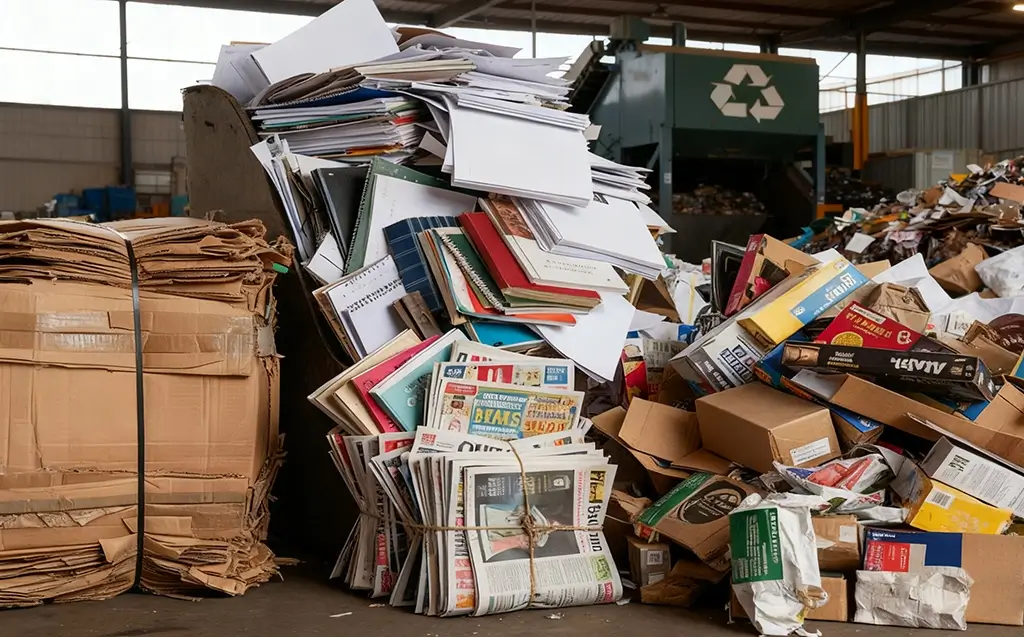
2. Проектирование систем переработки и целлюлозно-бумажного производства.
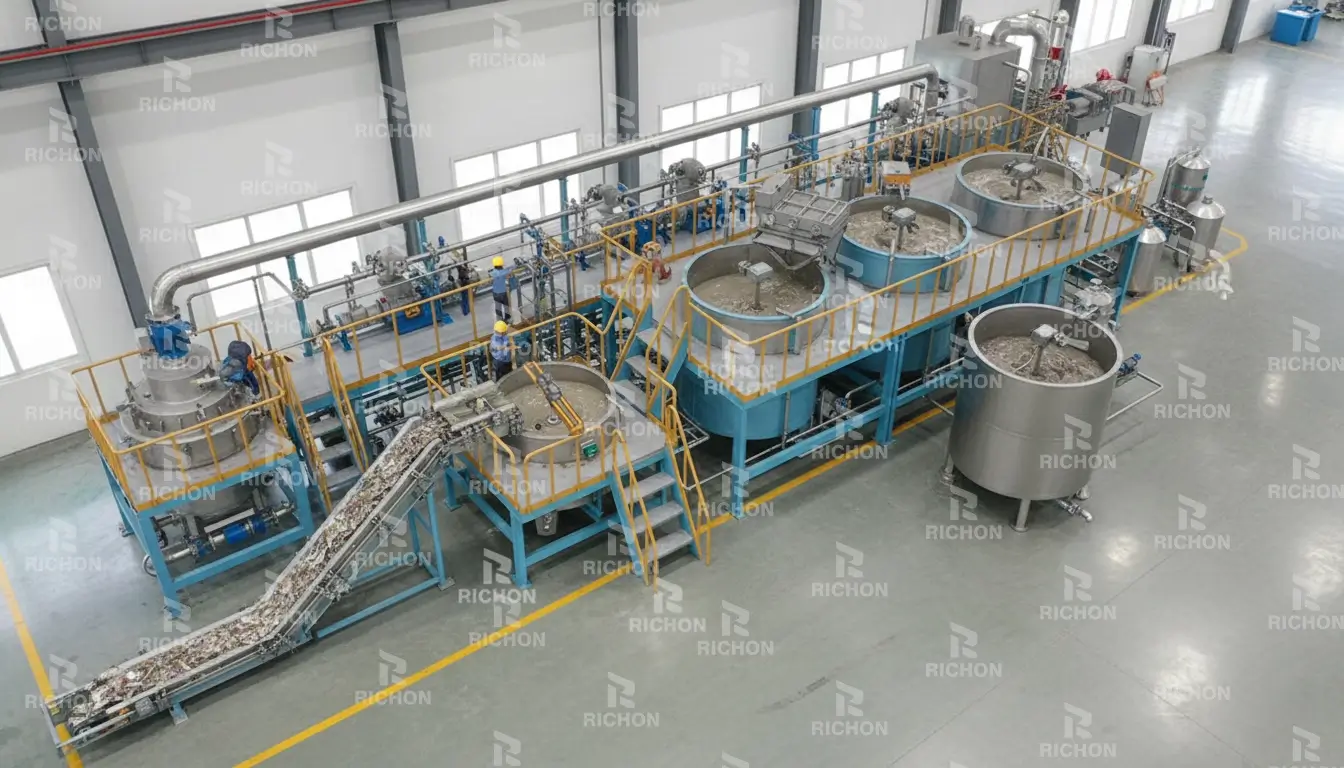
Fiber preparation includes mechanical pulping, screening, refining, and water recycling. A well-designed pulping system ensures uniform fiber suspension before entering the Линия по производству лотков для яиц.
Основные технические этапы
- Сортировка и удаление примесей.
- Разложение волокон в гидропульпере
- Профессиональная сортировка и очистка под давлением
- Система замкнутого цикла рециркуляции воды
Анализ оптимизации системы
Stable pulp consistency and controlled fiber length distribution are critical for achieving consistent tray thickness and strength before entering the система сушки.
If your local waste paper quality is mixed, stronger screening and cleaning become more important to protect mesh surfaces, reduce rejection rate, and maintain stable dewatering performance.
Need Help Matching Raw Material Quality to Production Stability?
Tell us what waste paper types are available in your market, and we can recommend a practical pulping, screening, and recycling configuration to support stable egg tray production.
Why Egg Tray Production Is Still Growing Globally
Driven by plastic reduction policies, agricultural packaging demand, and the practical value of waste paper recycling, egg tray production remains one of the most stable molded pulp business segments in many markets.
The Business Logic: Demand + Practical Manufacturing Conditions
Egg trays continue to see stable demand because they serve a basic agricultural logistics function: protecting eggs during collection, storage, and transportation. In many regions, molded pulp egg trays remain a preferred packaging format because they are low-cost, recyclable, stackable, and already accepted by poultry farms and distributors.
At the same time, pressure to reduce single-use plastics has pushed more packaging buyers toward биоразлагаемые формованные целлюлозные изделия. For investors, egg trays are often a more practical entry point than other pulp products because the product structure is standardized, the process is mature, and raw materials are widely available.
Where the Growth Opportunity Comes From
Poultry Industry Demand
Egg trays are not a trend product. They are a repeat-use logistics product tied directly to the poultry supply chain, which makes demand more stable than many specialty packaging segments.
Waste Paper Recycling Value
Turning waste paper into molded pulp packaging supports both environmental positioning and raw material cost control, especially in markets with accessible recycled fiber streams.
Expandable Industrial Model
Many investors start with egg trays because the process is standardized and scalable. Capacity can be expanded by improving automation, drying, and plant organization.
Planning to Enter the Egg Tray Business in Your Market?
Share your local waste paper condition, target capacity, labor cost level, and energy source. We can help you evaluate whether an egg tray project is commercially practical and what kind of production configuration is most suitable.
Why Egg Tray Production Is Still Growing Globally
Driven by plastic reduction policies, agricultural packaging demand, and the practical value of waste paper recycling, egg tray production remains one of the most stable molded pulp business segments in many markets.
The Business Logic: Demand + Practical Manufacturing Conditions
Egg trays continue to see stable demand because they serve a basic agricultural logistics function: protecting eggs during collection, storage, and transportation. In many regions, molded pulp egg trays remain a preferred packaging format because they are low-cost, recyclable, stackable, and already accepted by poultry farms and distributors.
At the same time, pressure to reduce single-use plastics has pushed more packaging buyers toward биоразлагаемые формованные целлюлозные изделия. For investors, egg trays are often a more practical entry point than other pulp products because the product structure is standardized, the process is mature, and raw materials are widely available.
Where the Growth Opportunity Comes From
Poultry Industry Demand
Egg trays are not a trend product. They are a repeat-use logistics product tied directly to the poultry supply chain, which makes demand more stable than many specialty packaging segments.
Waste Paper Recycling Value
Turning waste paper into molded pulp packaging supports both environmental positioning and raw material cost control, especially in markets with accessible recycled fiber streams.
Expandable Industrial Model
Many investors start with egg trays because the process is standardized and scalable. Capacity can be expanded by improving automation, drying, and plant organization.
Planning to Enter the Egg Tray Business in Your Market?
Share your local waste paper condition, target capacity, labor cost level, and energy source. We can help you evaluate whether an egg tray project is commercially practical and what kind of production configuration is most suitable.
Real Factory Case: 3–5k Egg Tray Line
Below is a real project reference showing how a mid-capacity egg tray production line operates under actual factory conditions, including raw material, drying solution, and production performance.
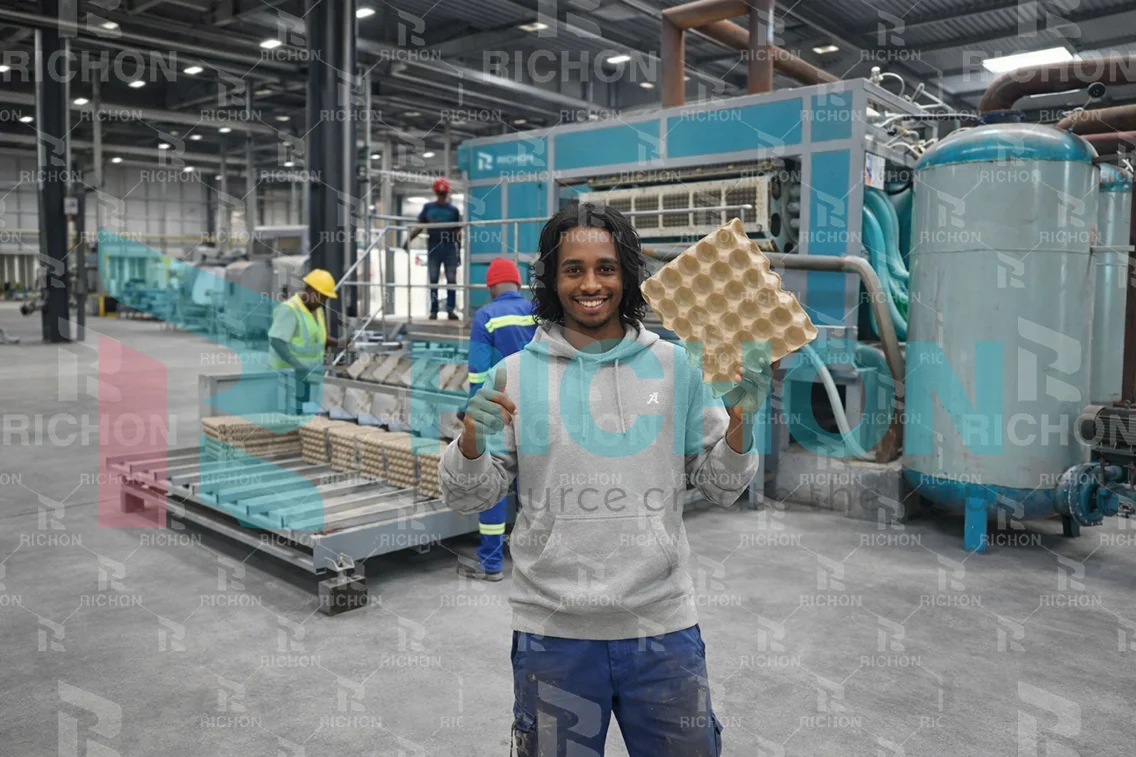
Project Overview
- Location: Юго-Восточная Азия
- Емкость: 4,000 pcs/h
- Сырье: Mixed OCC + newspaper
- Drying Type: Multi-layer metal dryer (biomass fuel)
- Operators: 5 per shift
Production Performance
- Stable daily output: 65,000–75,000 trays
- Reject rate: < 3% after stabilization
- Moisture control: consistent stacking quality
- Energy cost optimized using biomass fuel
Engineering Key Points
- Balanced forming speed with drying capacity
- Improved airflow distribution in dryer
- Enhanced screening for mixed waste paper
- Clear SOP for operators reduced instability
Want a Similar Result in Your Country?
Every factory condition is different. We can design a configuration based on your raw materials, energy source, and workshop layout to achieve stable output.
Key Questions Before You Start the Project
These are the real questions investors ask before making a decision. The answers below focus on cost, return, and operational reality—not theory.
Investment varies significantly depending on the система сушки, automation level, and local infrastructure cost. In most projects, the drying system is the largest cost difference.
A practical way to estimate investment is to evaluate:
- Drying type (natural / brick / metal dryer)
- Energy source (gas, diesel, biomass, electricity)
- Workshop construction and utilities
For system comparison, see drying system guide.
Most stable egg tray projects reach ROI within 6–18 months, depending on:
- Local selling price of trays
- Стоимость сырья (макулатура)
- Energy cost (critical factor)
- Production stability and reject rate
The fastest ROI projects are not always the cheapest machines—but the ones with balanced system design.
The main operating costs in egg tray production are:
- Energy (drying system) – largest cost in most factories
- Waste paper raw material
- Труд
- Maintenance and consumables
Learn more in energy consumption analysis.
Electricity and water consumption depend on capacity and system configuration.
- Electricity: mainly for pulping, vacuum, forming, and auxiliary systems
- Water: mostly recycled in a closed-loop system
With proper recycling design, fresh water consumption is relatively low.
Egg tray production is suitable for most regions, but feasibility depends on:
- Local egg production / poultry demand
- Availability of waste paper
- Energy cost and supply stability
- Labor cost level
A simple rule: if waste paper is available and eggs are transported in volume, the project is usually viable.
Want a Clear Answer Based on Your Real Conditions?
Send us your country, raw material situation, energy type, and target capacity. We will give you a practical investment and ROI evaluation.
Связаться с нами
Обращайтесь к нашей команде по любым вопросам, касающимся наших машин и услуг по производству яичных лотков.
Объем проекта
Вам нужно комплексное решение для проекта или частичное? Наша команда разработает идеальный вариант с учётом ваших конкретных потребностей и бюджета.
Ожидания от продукта
Какой готовый продукт вы ожидаете получить и какие стандарты качества для вас важны?
Хронология проекта
Каковы предполагаемые сроки реализации и эксплуатации проекта?
Диапазон бюджета
Каков примерный бюджет закупок по вашему проекту?
Отправьте нам свою информацию
Точная информация о проекте поможет нам предоставить идеальное решение, отвечающее вашим потребностям.