


Egg Tray Drying System Comparison
Compare natural drying, brick kiln dryers, and metal continuous drying systems for egg tray production lines. This engineering guide helps investors and factory planners choose the right drying solution based on capacity, layout, and long-term operating goals.
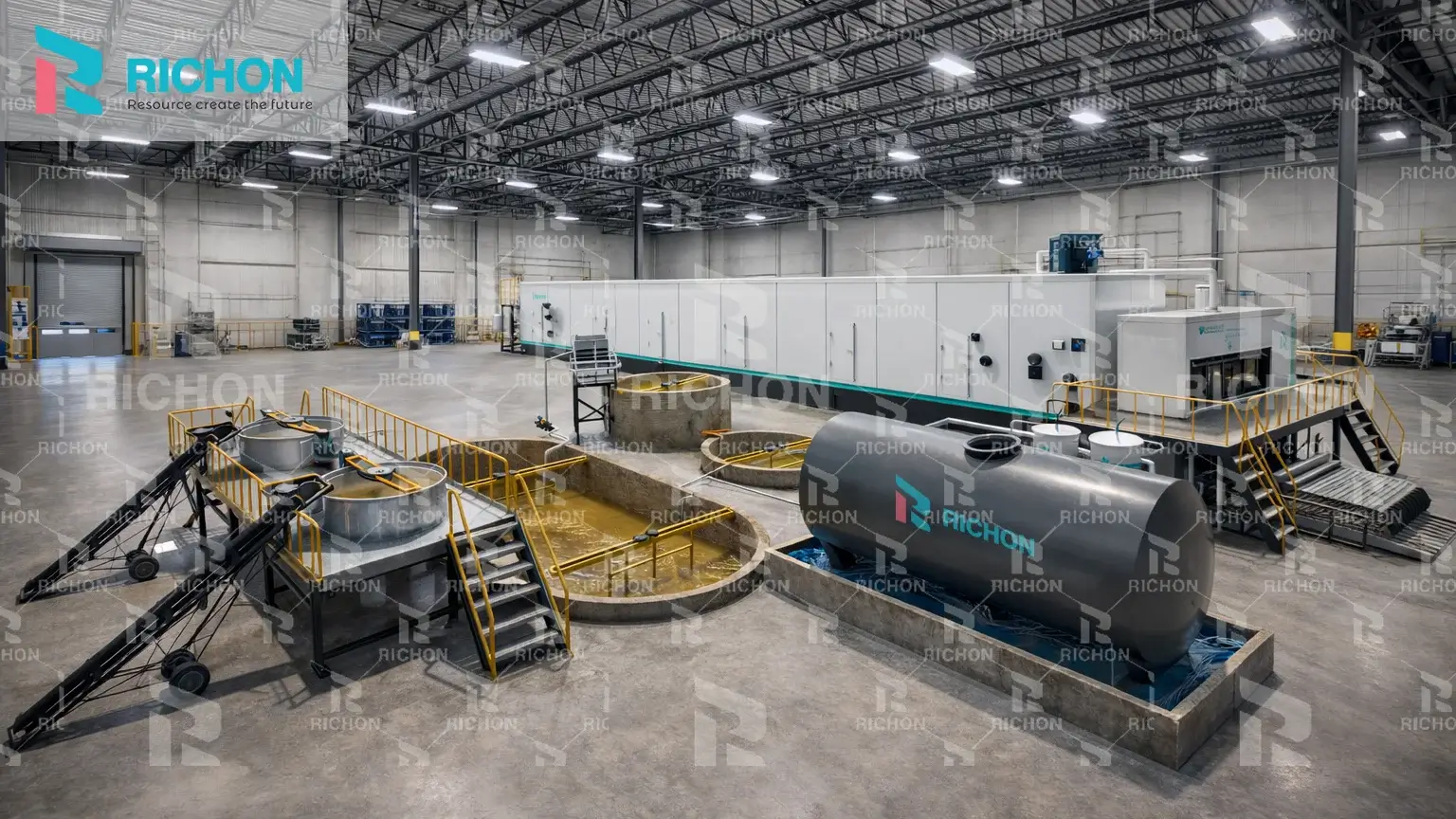
Why the Drying System Matters in Egg Tray Production
Drying is the key transition between wet forming and finished stacking. The quality of this stage directly affects tray strength, dimensional stability, production continuity, energy use, and factory layout efficiency.
Engineering Role of Drying
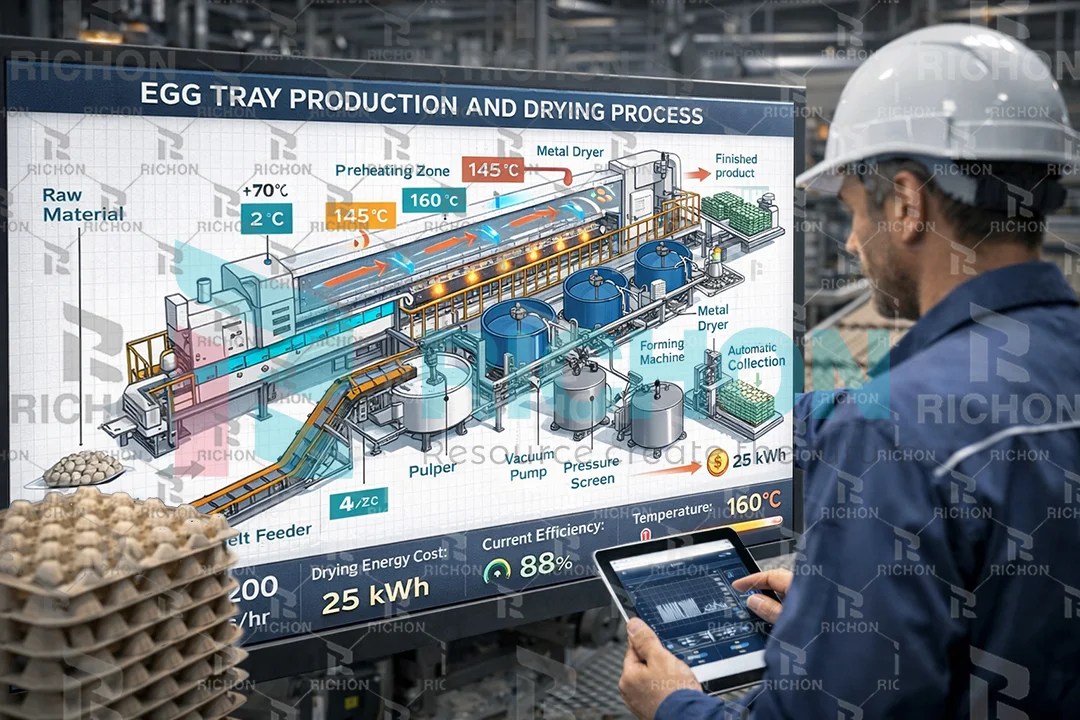
In a standard egg tray production process, wet trays leave the forming section with high moisture content and must be dried before stacking, bundling, or shipment. A reliable drying stage improves product consistency and reduces downstream losses.
- Wet trays typically contain 65–75% moisture after forming.
- Finished trays are generally dried to 8–12% moisture.
- Drying influences product strength, stacking safety, and transport stability.
- It also affects labor requirement, fuel choice, and line automation potential.
To understand how drying connects with the full workflow, see the egg tray production process.
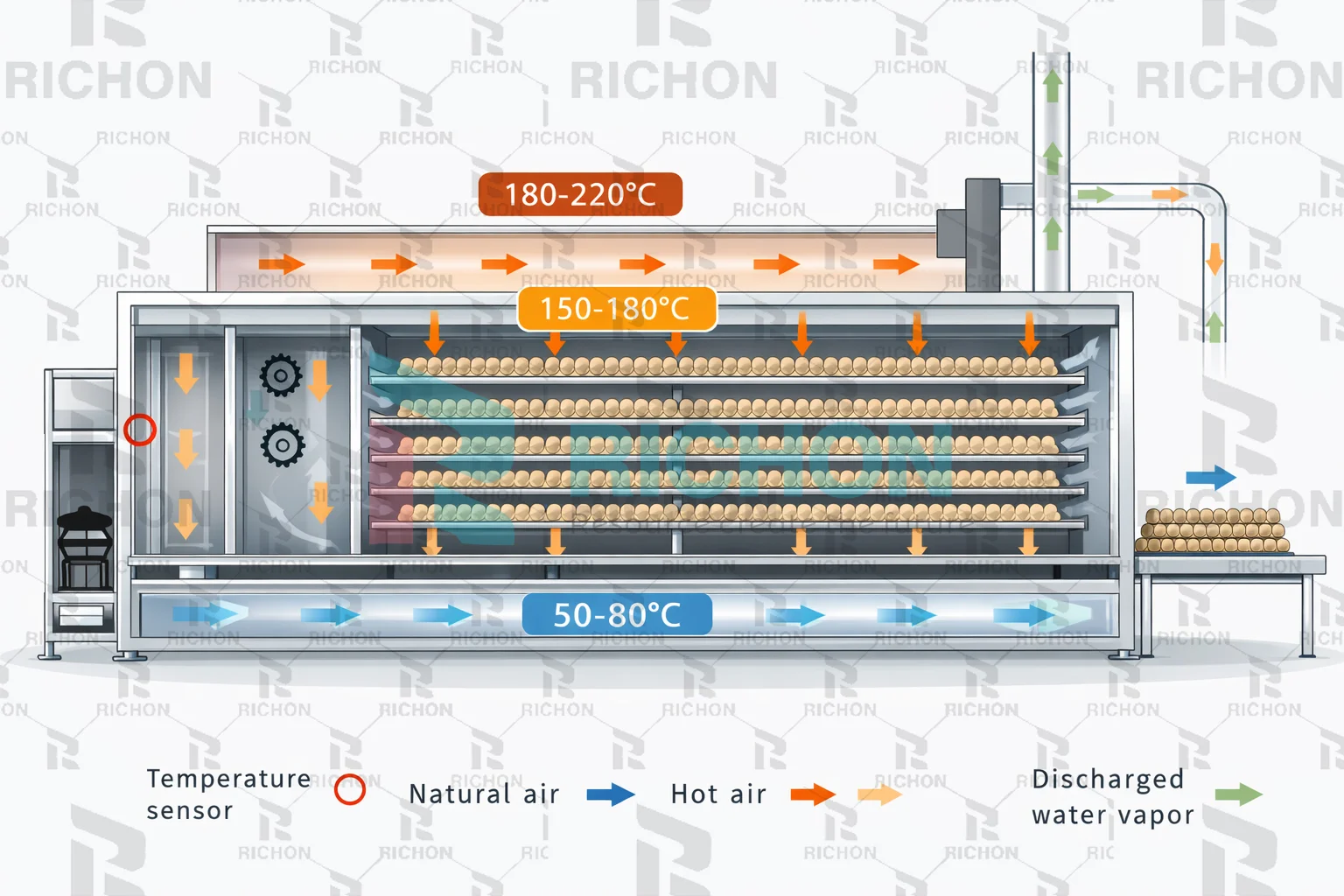
Types of Egg Tray Drying Systems
Egg tray factories generally use three drying approaches: natural drying, brick kiln drying, and metal continuous drying. Each method fits different project scales, investment levels, climate conditions, and production goals.
Natural Drying
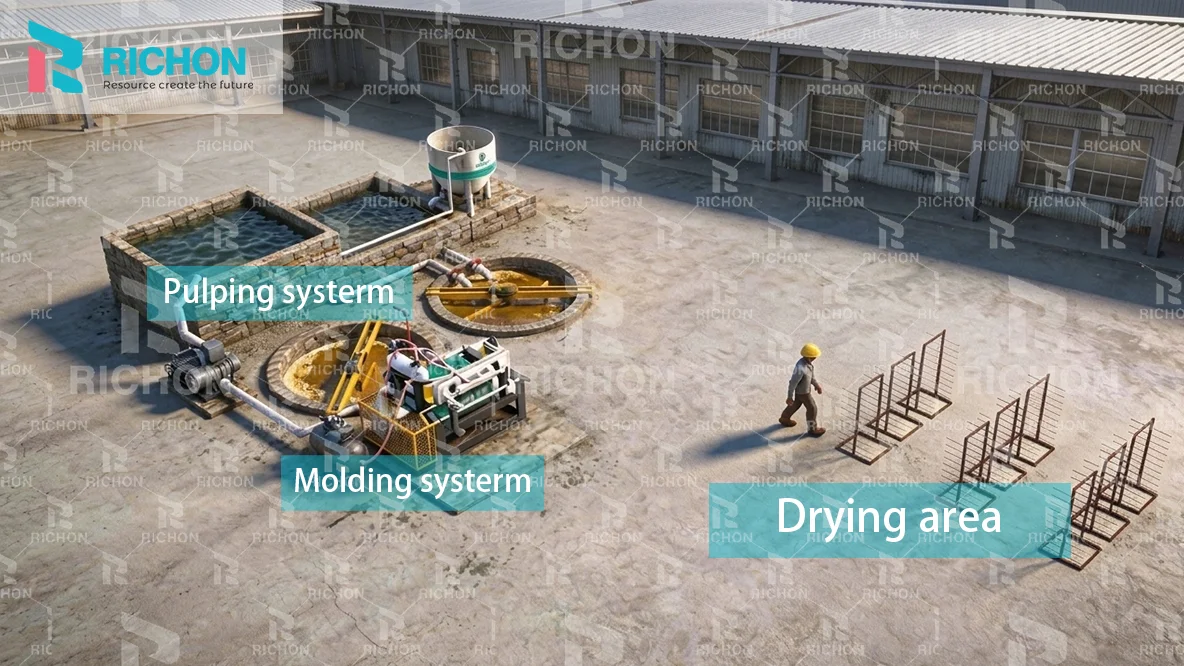
Suitable for small-capacity projects in warm and dry regions where low initial investment is the main priority and production is less dependent on daily weather changes.
Brick Kiln Dryer
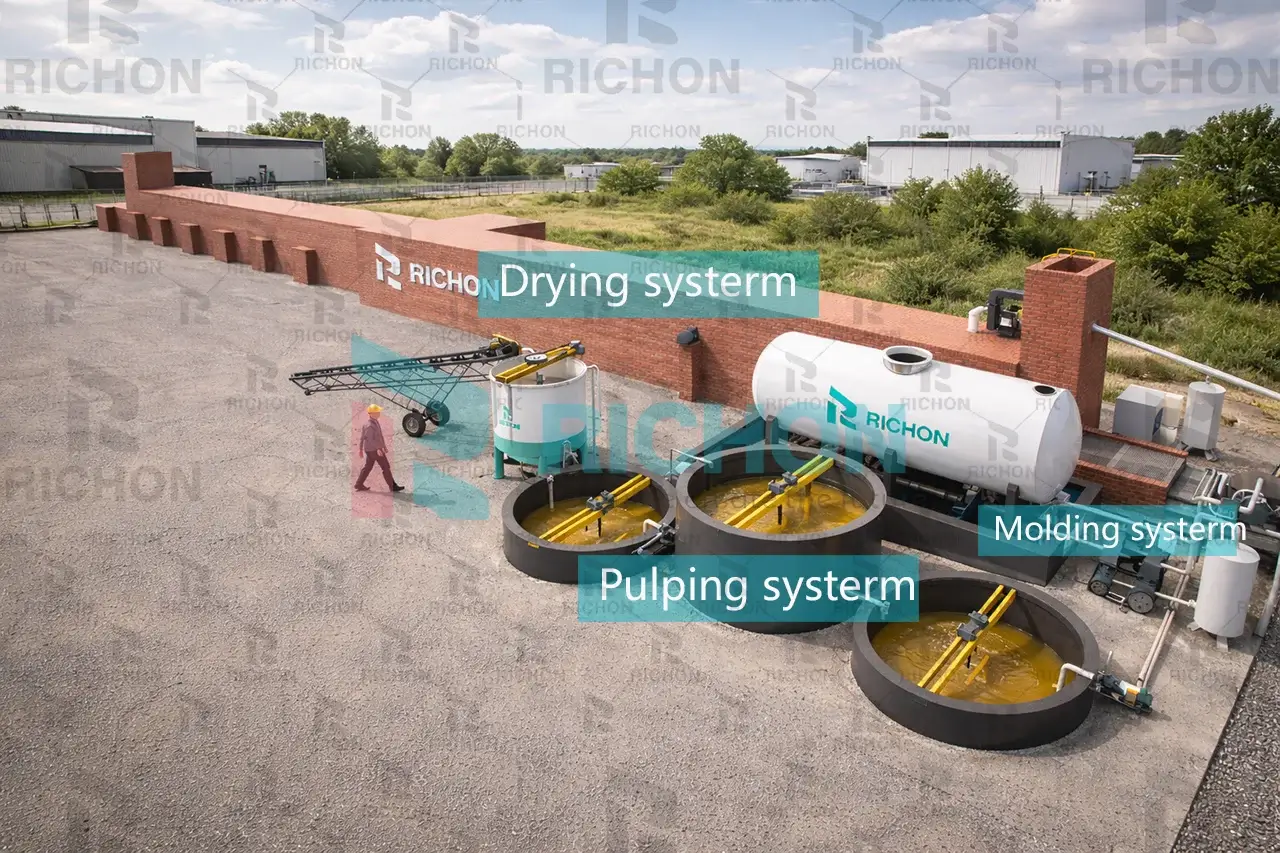
A traditional industrial solution using civil construction and heat circulation, often selected for medium-capacity egg tray projects where land is available.
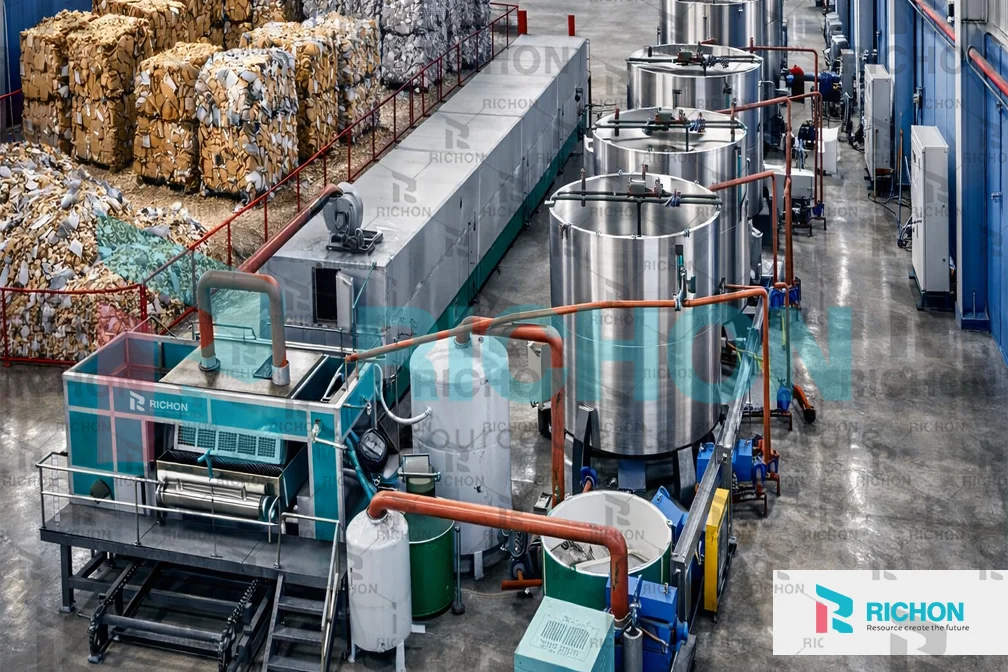
Metal Continuous Dryer
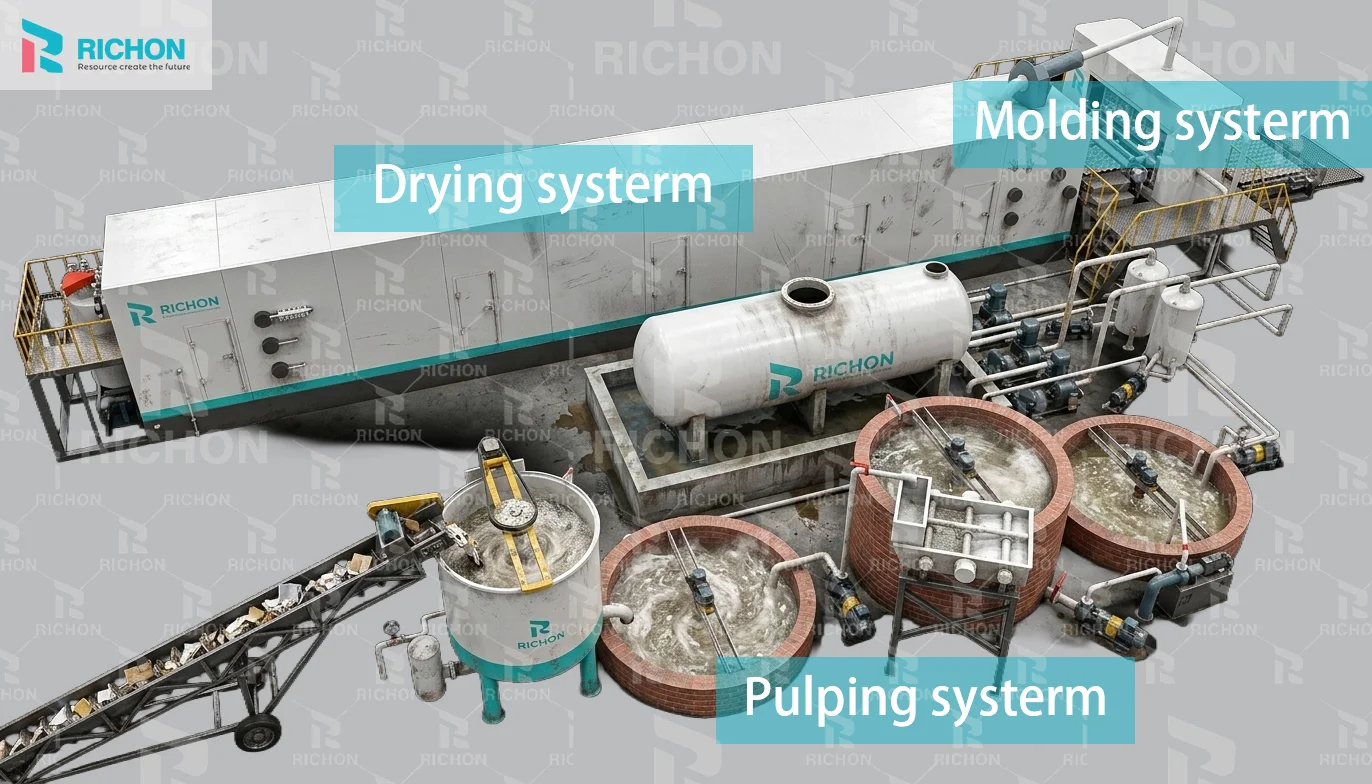
A modern, prefabricated drying system designed for stable operation, compact space usage, and better automation performance in larger egg tray factories.
For a full understanding of how drying fits into the complete workflow, see the egg tray production process.
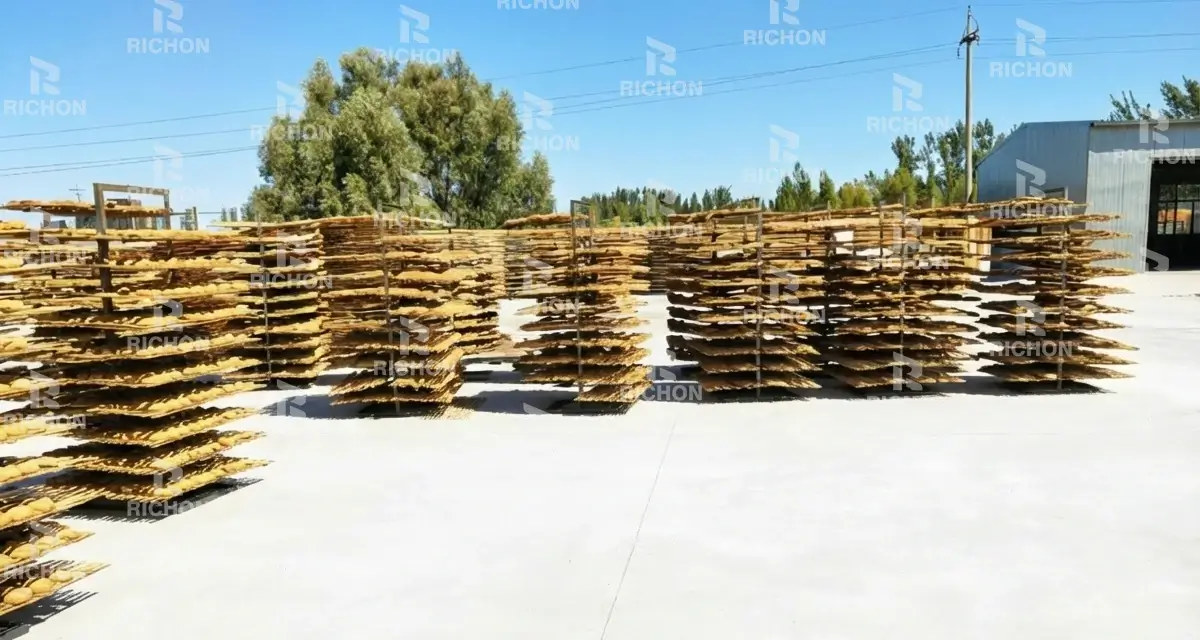
Natural Drying (Sun Drying)
Natural drying is the simplest drying method used in small egg tray production projects. It relies on sunlight and natural airflow instead of industrial drying equipment. While the investment cost is very low, production stability depends heavily on weather conditions.
Typical Application Scenario
- Recommended capacity: 1000–2000 pcs per hour
- Suitable for warm and dry climates
- Very low equipment investment
- Requires larger open drying area
- Production depends on sunlight and weather
In many small recycling projects, natural drying allows investors to start production with minimal capital. However, humidity, rain, or cold weather can significantly affect drying time and product quality.
Brick Kiln Dryer System
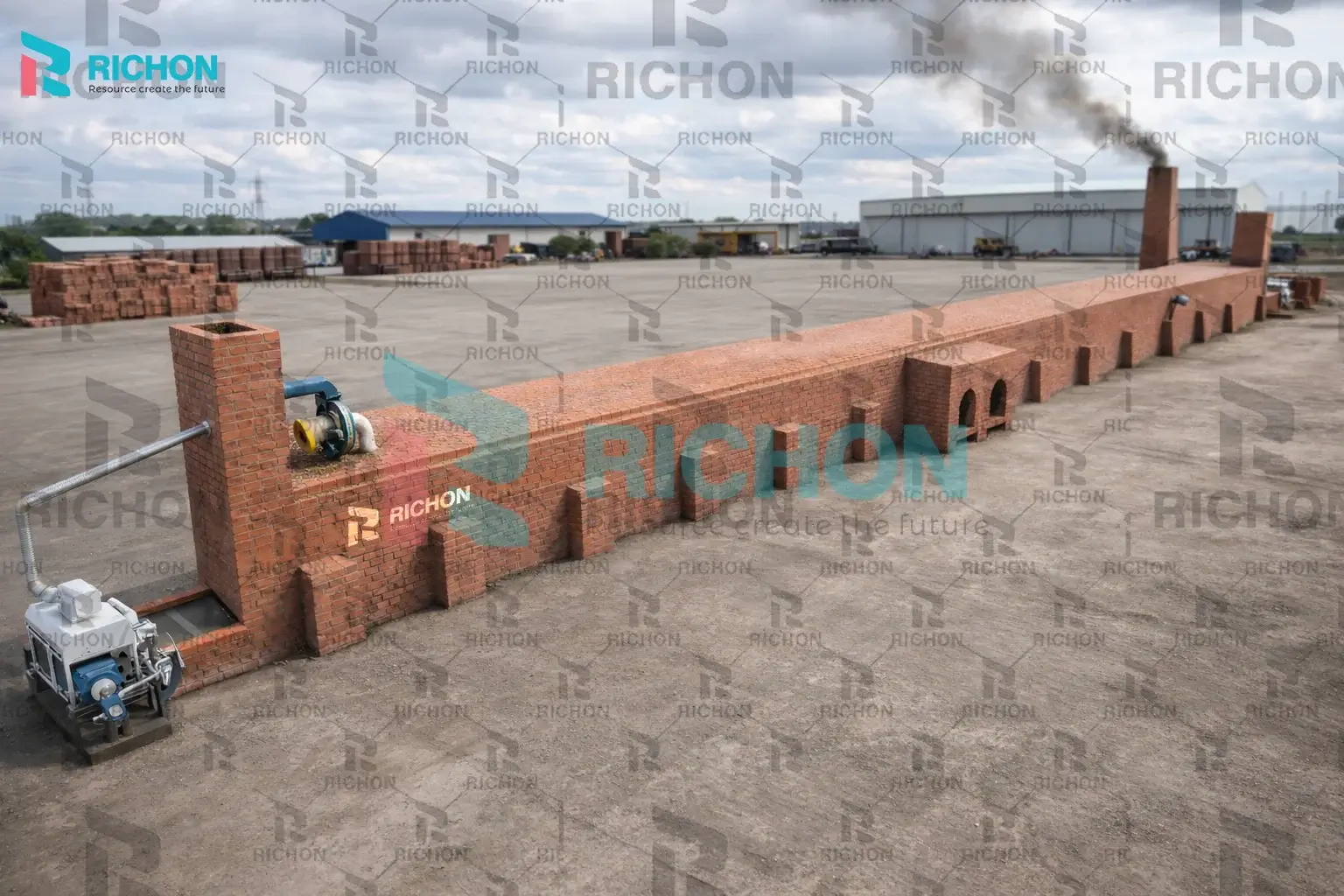
Brick kiln dryers are widely used in medium-capacity egg tray production projects. They combine relatively moderate equipment investment with stable drying performance, but require larger factory space and longer construction time.
Typical Engineering Features
- Built with civil construction and brick tunnel structure
- Uses heat circulation for continuous drying
- Common fuel options: coal, biomass, firewood
- Suitable for 3000–5000 pcs per hour projects
- Requires larger layout area and longer installation cycle
This type of dryer is often selected when land cost is relatively low and the buyer prefers a traditional drying solution with moderate equipment investment. It is a practical option for factories that value proven structure and steady batch operation.
Many medium-capacity projects combine brick dryers with a complete egg tray production line.
Brick Dryer vs Metal Dryer
Brick dryers and metal dryers are both used in industrial egg tray production, but they differ significantly in construction method, space requirement, installation cycle, automation level, and long-term operating flexibility.
| Factor | Brick Dryer | Metal Dryer |
|---|---|---|
| Construction | Civil construction and brick tunnel structure | Prefabricated steel structure |
| Installation Time | Longer construction cycle | Shorter installation cycle |
| Land Requirement | Larger factory area required | More compact layout |
| Energy Efficiency | Medium, depends on construction quality and heat retention | Higher, easier to optimize airflow and heat control |
| Automation | Lower automation compatibility | Higher automation compatibility |
| Relocation | Not practical after construction | Possible in some project scenarios |
| Typical Capacity Fit | 3000–5000 pcs/h | 5000–8000 pcs/h |
| Project Preference | Lower initial equipment investment with sufficient land | Cleaner layout, faster deployment, and stronger long-term scalability |
Drying performance also interacts with mold design. Learn more in our mold technology guide.
Engineering Differences Between Drying Systems
From an engineering perspective, the most important differences between drying systems are airflow design, temperature control method, and drying cycle stability. These factors directly affect drying consistency, finished tray quality, and daily production reliability.
Airflow Design
Brick dryer: relies more on basic heat circulation and natural airflow distribution inside the tunnel structure. Air movement is less precise and depends more on construction quality and operating experience.
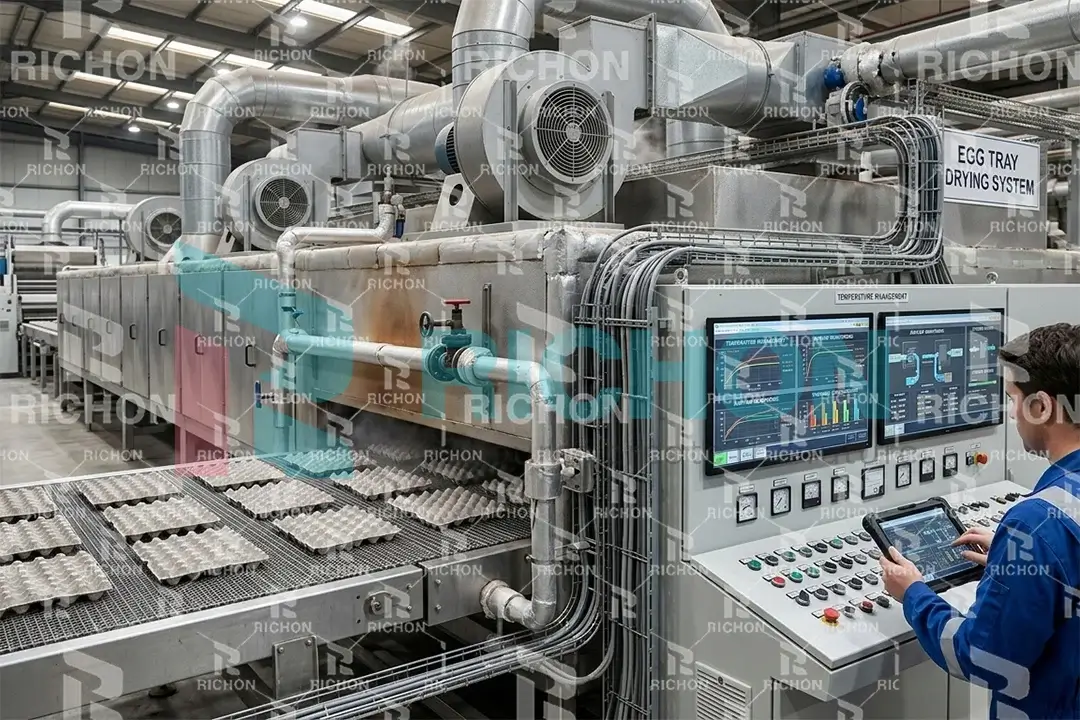
Metal dryer: uses more controlled hot-air circulation and forced ventilation design, making airflow distribution easier to optimize for continuous industrial production.
Temperature Control
Brick dryer: temperature adjustment is usually more manual and may vary depending on fuel feeding, furnace condition, and heat retention performance.
Metal dryer: supports more stable zone-based temperature control and is easier to integrate with automated monitoring and process adjustment.
Drying Cycle Stability
Brick dryer: commonly operates with a drying cycle around 20–30 minutes, but consistency can be more sensitive to climate, fuel variation, and tunnel temperature balance.
Metal dryer: often runs around 15–20 minutes with stronger process repeatability and more predictable performance in continuous operation.
Factory Layout and Space Requirements
The drying system has a direct impact on factory planning. Different dryer types require different tunnel lengths, building conditions, transport paths, and space allocation between forming, drying, and packing areas.
Brick Dryer Layout
Brick dryers usually need a longer drying tunnel and a larger fixed construction area. This makes them more suitable for factories with sufficient land and stable long-term site planning.
- Requires larger floor area for tunnel construction
- Needs coordinated space for furnace, heat path, and tray movement
- Better suited for fixed-location projects
- Construction planning should be finalized early
Metal Dryer Layout
Metal dryers use a more modular structure and usually require less site area for the same level of output, making them more attractive where land is limited or factory layout must stay compact.
- More compact drying section footprint
- Easier integration with conveyor transfer and stacking zones
- Better for standardized workshop planning
- More flexible for layout optimization and future upgrades
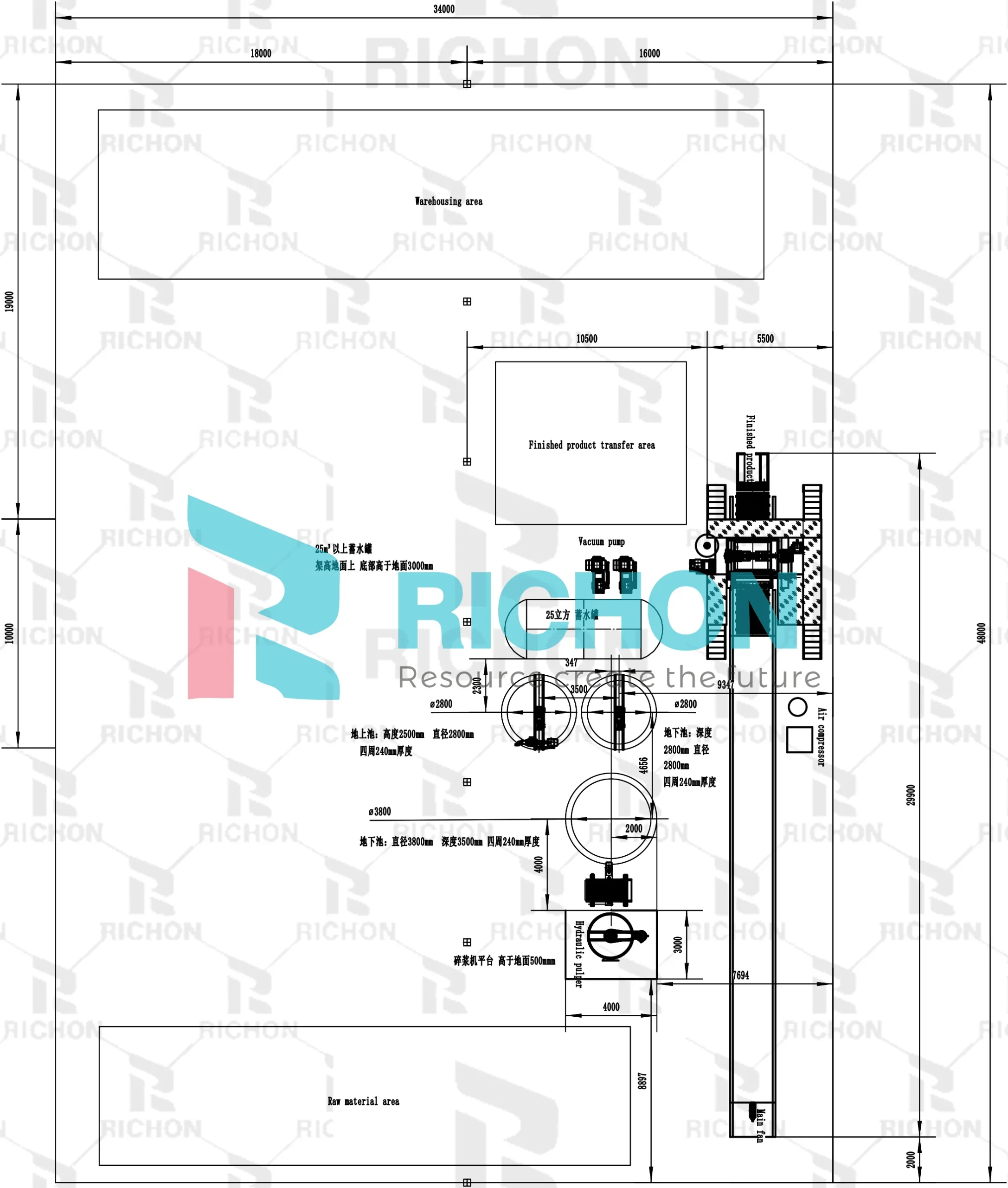
Drying layout should always be planned together with the egg tray production process.
Energy Consumption and Operating Cost
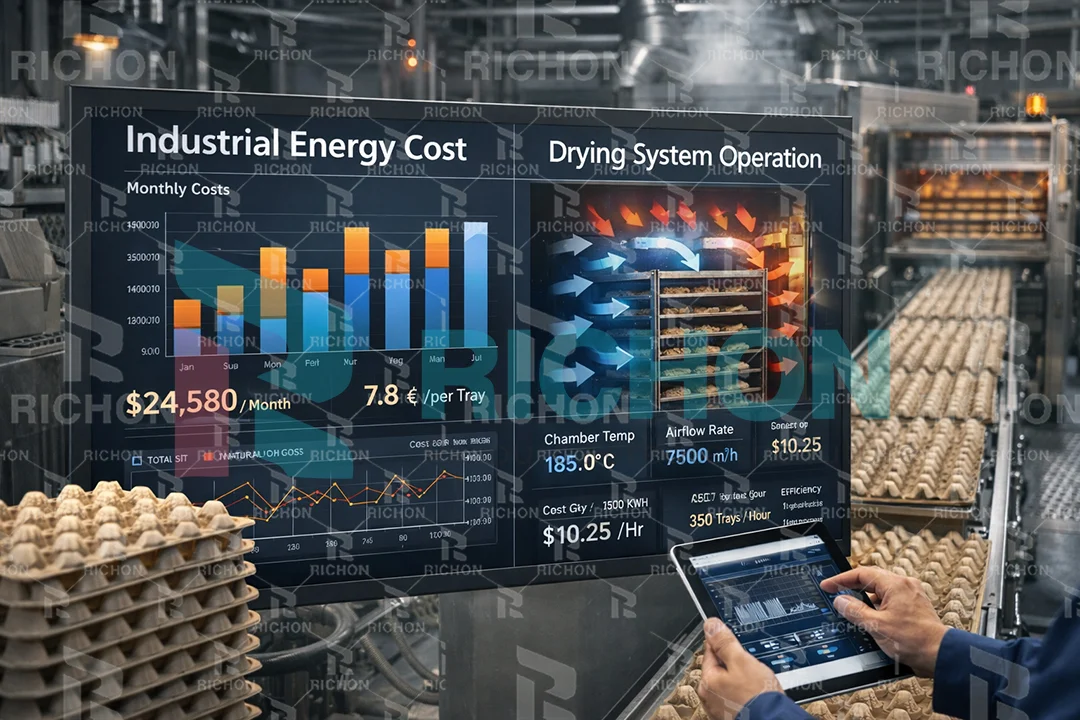
The real operating cost of a drying system depends not only on the fuel itself, but also on airflow efficiency, insulation design, drying length, local climate, and daily production load. A suitable dryer should be evaluated by long-term operating stability, not equipment price alone.
Common Energy Options
- Coal
- Biomass
- Natural gas
- Diesel
- Electric heating
The best fuel choice depends on local energy price, supply reliability, environmental requirements, and the target production scale of the project.
Main Cost Factors
- Production capacity and operating hours
- Dryer structure and total drying length
- Hot air circulation efficiency
- Insulation and heat retention performance
- Local climate and moisture conditions
- Maintenance and labor requirement
In practice, two dryers using the same fuel can still show very different operating costs if airflow design and thermal efficiency are not optimized.
How to Choose the Right Drying System
The best drying solution depends on more than equipment price alone. A practical engineering decision should consider capacity, factory size, local climate, available fuel, automation expectations, and long-term operating goals.
| Condition | Recommended System | Why It Fits |
|---|---|---|
| Small startup investment | Natural drying or brick dryer | Lower initial equipment cost and simpler early-stage project setup |
| Medium capacity project | Brick dryer | Balanced solution when land is available and industrial drying is required |
| High capacity and automation | Metal dryer | Better for stable output, process control, and scalable factory planning |
| Limited factory space | Metal dryer | More compact structure and easier integration with workshop layout |
| Stable all-weather production | Brick dryer or metal dryer | Less dependence on outdoor climate and stronger production continuity |
| Future upgrade potential | Metal dryer | Easier to optimize for automation, standardization, and later expansion |
If you are unsure which drying system fits your project, contact our engineers for layout and configuration advice.
Frequently Asked Questions
These are some of the most common technical questions buyers ask when comparing drying methods for egg tray production projects.
What is the best drying system for egg tray production?
The best system depends on project scale, factory space, climate, available fuel, and automation requirements. Small projects may use natural drying, while industrial lines usually use brick dryers or metal dryers.
How long does egg tray drying take?
Drying time depends on the system design, tray thickness, moisture level after forming, fuel efficiency, and local climate. Natural drying takes much longer, while industrial dryers usually complete drying in a more controlled production cycle.
What fuel can be used in egg tray dryers?
Common options include coal, biomass, natural gas, diesel, and electric heating. The right choice depends on local energy cost, supply stability, environmental requirements, and the target operating cost of the factory.
What is the difference between brick dryer and metal dryer?
Brick dryers require civil construction and more factory space, while metal dryers are more compact, easier to install, and generally better suited to automation, process control, and flexible factory planning.
Which drying system is more energy efficient?
In many industrial projects, metal dryers offer more stable heat control and better long-term energy optimization. However, brick dryers may remain competitive where land is abundant and local fuel is inexpensive.
Can natural drying be used for commercial egg tray production?
Natural drying can be used for small commercial projects in warm and dry regions, but it is less suitable for factories that need stable all-weather output, shorter drying cycles, or higher production consistency.
Need Help Choosing the Right Drying System?
Every egg tray factory has different conditions — production capacity, factory space, available energy, and investment plan. Our engineers can help you evaluate the most suitable drying solution based on your project requirements.
- Production capacity planning
- Drying system recommendation
- Factory layout guidance
- Energy and operating cost analysis
Contact Us
Get in touch with our team for any inquiries about our egg tray machines and services.
Project Scope
Do you need a complete project solution or a partial solution? Our team can customize the perfect setup for your specific needs and budget constraints.
Product Expectations
What kind of finished product do you expect, and what quality standards are important to you?
Project Timeline
What is your expected timeline for project implementation and operation?
Budget Range
What is the approximate budget range for your project procurement?
Send Us Your Information
Accurate project information will help us provide the perfect solution for your needs.