


Egg Tray Production Line Energy Consumption Analysis
Understand how much electricity and thermal energy an egg tray production line consumes, which section uses the most power, and how factory operators can reduce long-term operating cost through proper equipment selection and process design.
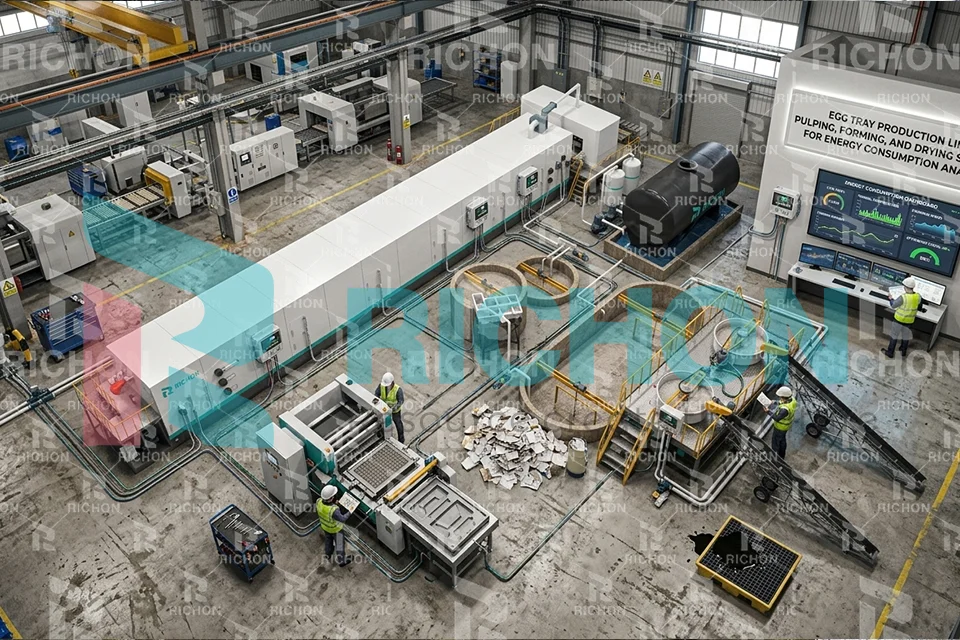
What Does Energy Consumption Mean in Egg Tray Production?
Energy consumption in egg tray production refers to the total electricity and thermal energy required to run the pulping system, forming machine, vacuum and air systems, drying section, and auxiliary equipment. For factory investors, this is one of the most important operating indicators because it directly affects cost per unit and long-term profitability.
Electrical Energy
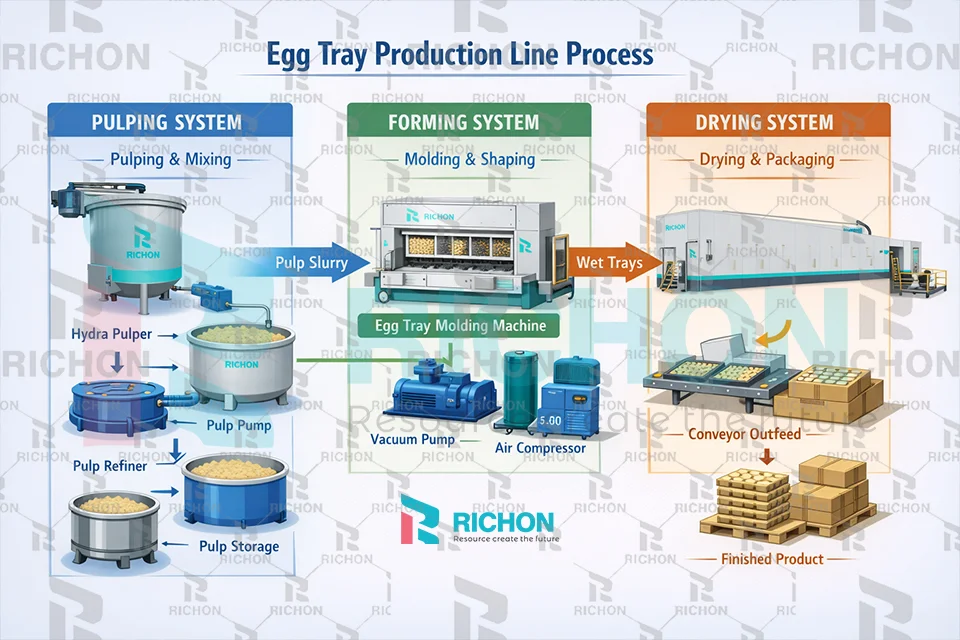
Electrical power is mainly used by pulpers, agitators, slurry pumps, vacuum pumps, air compressors, forming drives, transfer mechanisms, fans, and control systems.
Thermal Energy
Thermal energy is primarily consumed in the drying stage. Depending on the configuration, this may come from natural gas, diesel, steam, biomass, or electric heating.
Operating Cost Impact
Total energy usage affects daily production cost, utility planning, and return on investment. A line with poor energy efficiency may produce acceptable output but create unnecessary long-term expense.
Typical Energy Consumption Breakdown by Production Section
Although exact values depend on production capacity, automation level, raw material condition, and dryer type, most egg tray production lines follow a similar energy distribution pattern. The drying system is usually the dominant energy consumer in the entire production process.
| Production Section | Main Equipment | Typical Energy Share | Comments |
|---|---|---|---|
| Pulping System | Pulper, agitator, slurry pump | 10–15% | Usually stable and relatively predictable under normal slurry conditions |
| Forming Section | Vacuum pump, air compressor, forming drive | 15–20% | Strongly affected by mold design, vacuum efficiency, and automation layout |
| Drying System | Dryer body, burners, fans, conveyors | 60–70% | Normally the largest contributor to total energy use and operating cost |
| Auxiliary Equipment | Control cabinet, transfer devices, lighting, water circulation | 5–10% | Often smaller in share but still important in total plant efficiency evaluation |
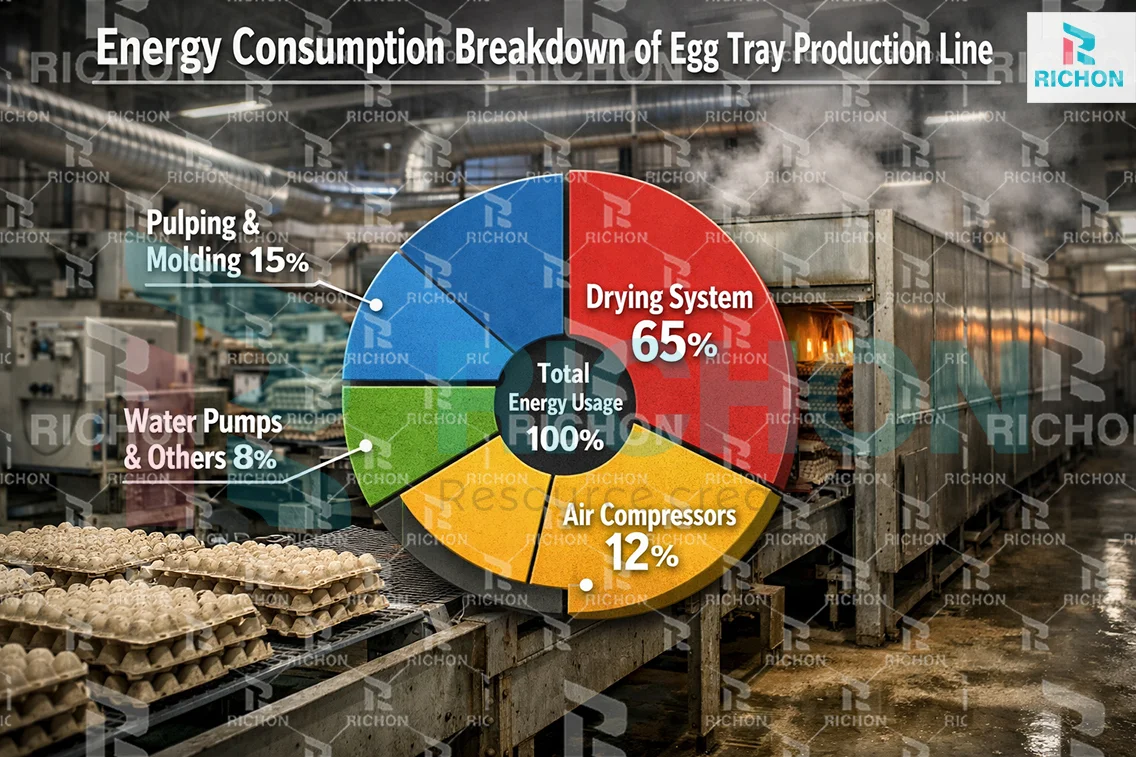
Note: These values are for general engineering reference. Actual consumption varies depending on line capacity, dryer configuration, moisture control target, fuel source, and factory operating conditions.
Power Consumption by Machine Section
To evaluate operating cost accurately, it is important to analyze each section separately rather than relying only on total installed power. Each unit in the egg tray production line contributes differently to daily energy usage.
Pulping System
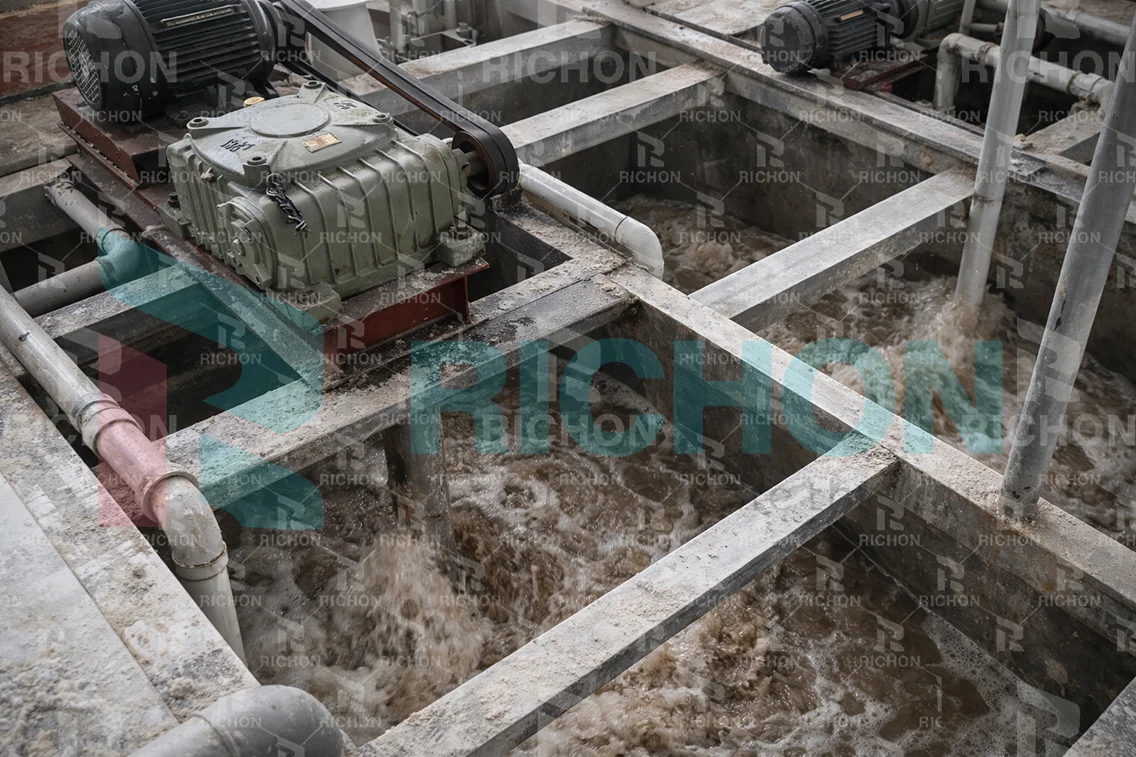
The pulping section typically includes the hydrapulper, agitation tank, water circulation system, and slurry delivery pumps. This section usually consumes a moderate amount of electricity and is relatively stable during normal production.
- Hydrapulper motor load
- Agitator running time
- Slurry transfer pump power
- Water circulation control efficiency
Forming Section
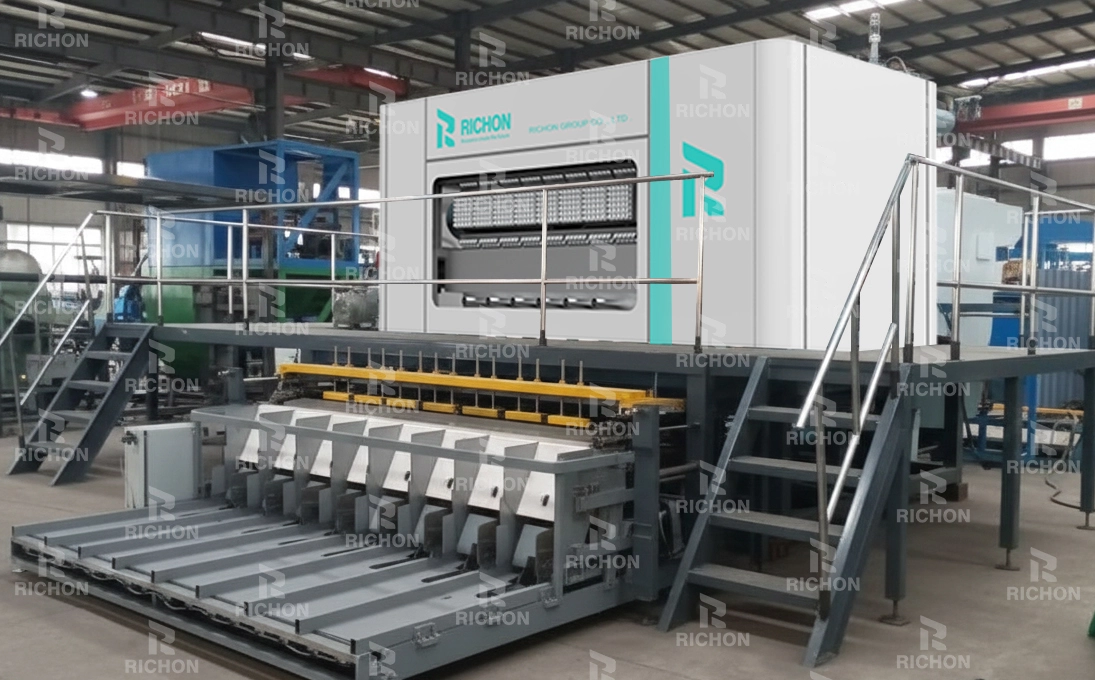
The forming machine energy demand mainly comes from the vacuum system, air compressor, mold transfer action, and automation mechanisms. Vacuum efficiency and mold airflow design have a direct effect on this section.
- Vacuum pump operating power
- Compressed air demand
- Forming and transfer drives
- Cycle speed and automation structure
Drying Section
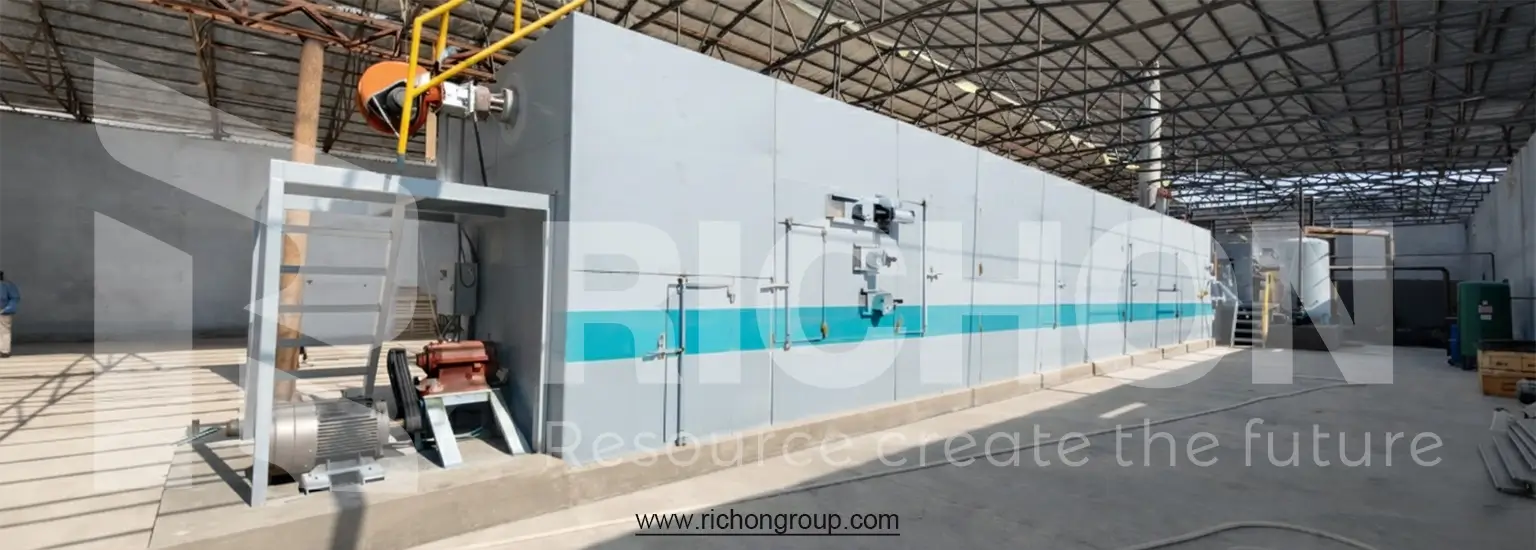
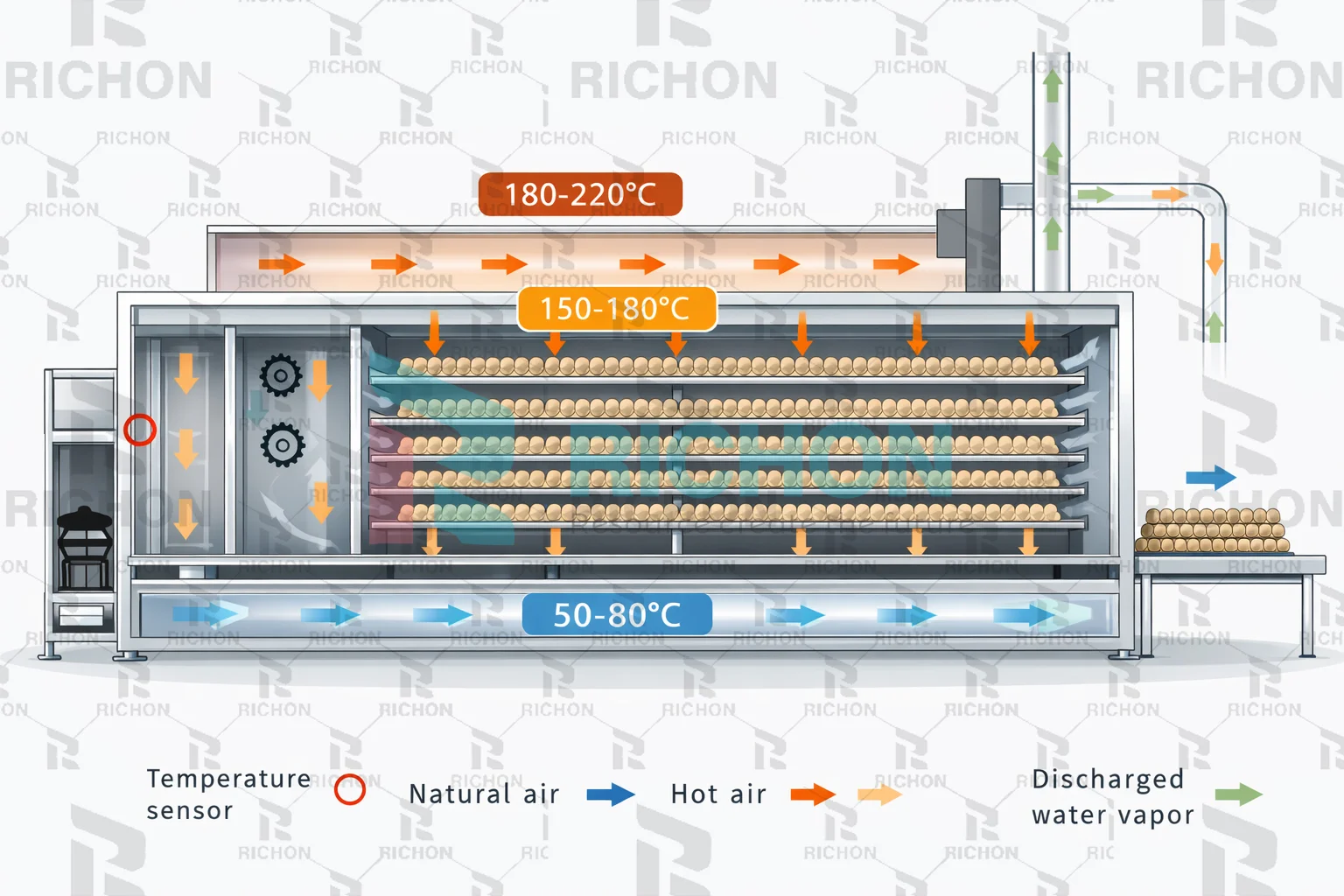
The drying system is usually the largest energy user because it removes moisture from wet trays through heated airflow and controlled residence time. Different dryer types create very different operating cost structures.
- Thermal energy for moisture evaporation
- Fan and circulation motor power
- Conveyor or transfer drive power
- Temperature control and heat loss management
Real Factory Energy Consumption Reference Case
A practical engineering estimate is more useful than a generic statement. The following example shows a typical medium-capacity egg tray production project for reference during early-stage planning and budget evaluation.
Reference Project
- Product: 30-cell egg trays
- Capacity: around 3000 pcs/hour
- Production Mode: automatic pulping + forming + drying
- Installed Power: approximately 85–110 kW
- Estimated Daily Electricity Use: around 700–900 kWh
- Main Energy Load: drying system and vacuum-air system
Engineering Interpretation
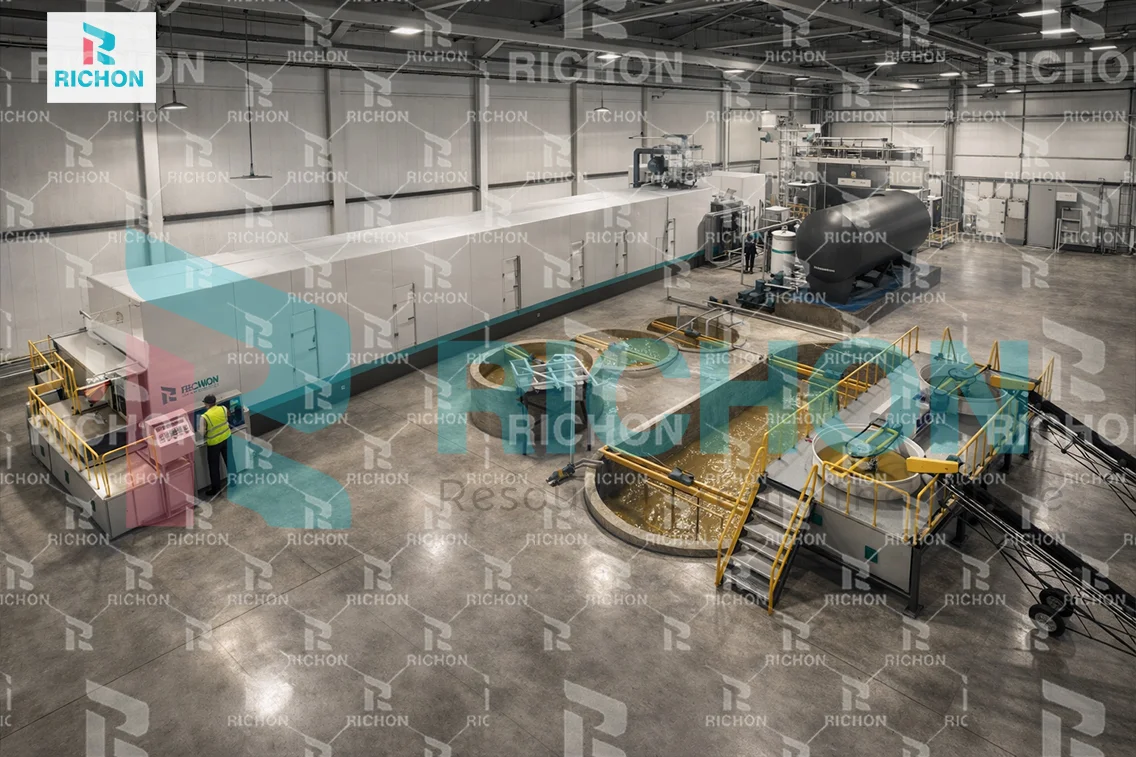
This reference range is suitable for early project evaluation, but actual consumption depends on raw material drainage performance, final moisture target, dryer insulation, fuel selection, ambient climate, and line operating discipline.
For example, a better-designed drying system with stronger heat utilization and lower leakage can reduce total utility cost significantly compared with a poorly optimized configuration.
Important: Actual values vary depending on dryer type, factory temperature and humidity, product thickness, moisture control target, and automation level.
How to Calculate Egg Tray Production Energy Cost
Once estimated daily electricity consumption is known, production energy cost can be calculated using the local electricity unit price. This gives investors a simple way to compare different equipment options and factory plans.
Example Calculation
- Estimated daily electricity consumption: 800 kWh
- Local electricity price: $0.10 / kWh
- Estimated daily energy cost: $80 / day
Why This Matters
Many investors compare only the purchase price of equipment, but in long-term operation, energy cost can become a much larger factor than the initial machine price difference. This is especially true for drying-intensive production lines.
Key Factors That Affect Energy Consumption
Energy usage is not determined by capacity alone. A complete engineering evaluation should consider machine configuration, material characteristics, process stability, and site operating conditions.
Dryer Type and Heat Source
Natural drying, brick drying, metal drying, and different fuel systems create very different cost structures. Dryer efficiency is usually the most important variable in overall plant energy performance.
Product Moisture and Thickness
Products with higher incoming moisture, greater wall thickness, or stricter dryness requirements need more energy during the drying process.
Vacuum and Air System Efficiency
Forming quality and dewatering efficiency depend heavily on vacuum performance, air consumption, mold airflow path, and system leakage control.
Raw Material Drainage Performance
Different paper sources and pulp preparation conditions change how much water remains in the product before drying, which directly affects heat demand.
Automation Level and Line Stability
Unstable production, frequent stops, and poor coordination between sections increase wasted energy and reduce effective output per unit of power consumed.
Factory Climate and Insulation
Ambient temperature, humidity, ventilation conditions, and equipment insulation influence the actual drying load and thermal efficiency of the system.
How to Reduce Energy Consumption in an Egg Tray Factory
Lower energy cost is usually achieved through system optimization rather than a single isolated change. Good engineering design improves both energy efficiency and production stability.
Recommended Optimization Measures
- Use a properly matched dryer system based on actual production capacity
- Improve mold drainage and vacuum path design before the drying stage
- Reduce heat loss through better insulation and airflow control
- Apply water recycling and stable slurry concentration control
- Use efficient vacuum pumps and optimize compressor loading
- Improve automation coordination to reduce idle energy waste
Engineering Result
A better energy design does not only lower utility bills. It also improves line stability, supports more predictable production planning, and reduces the cost pressure caused by rising energy prices.
In many projects, the best return comes from optimizing the drying system and upstream dewatering efficiency rather than focusing only on installed motor power.
Dryer System Energy Consumption Comparison
Since the drying section usually accounts for the largest share of total energy use, comparing dryer solutions is essential when planning an egg tray production project.
| Dryer Type | Energy Efficiency | Investment Level | Suitable Production Condition |
|---|---|---|---|
| Natural Drying | Low and climate-dependent | Low | Small projects in areas with stable sunshine and sufficient space |
| Brick Dryer | Medium | Medium | Projects seeking lower initial investment with available site conditions |
| Metal Dryer | High | Higher | Automatic lines requiring stable, controllable, and efficient drying performance |
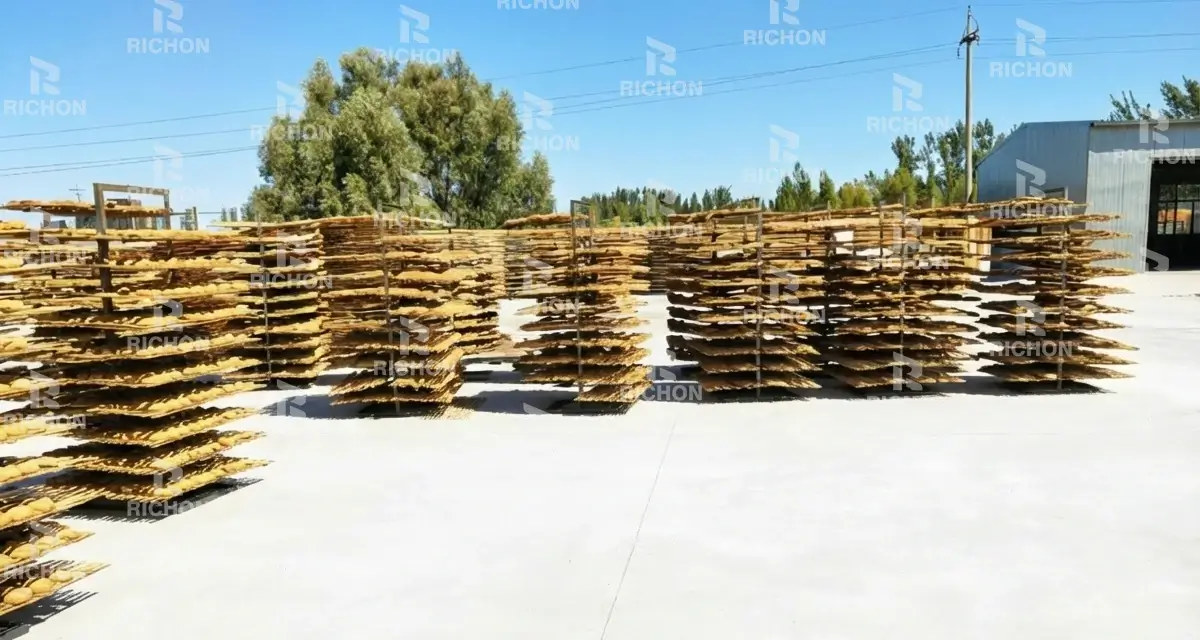
Natural Drying
Suitable for low-investment projects in regions with stable sunlight and enough open drying area, but efficiency depends heavily on weather conditions.
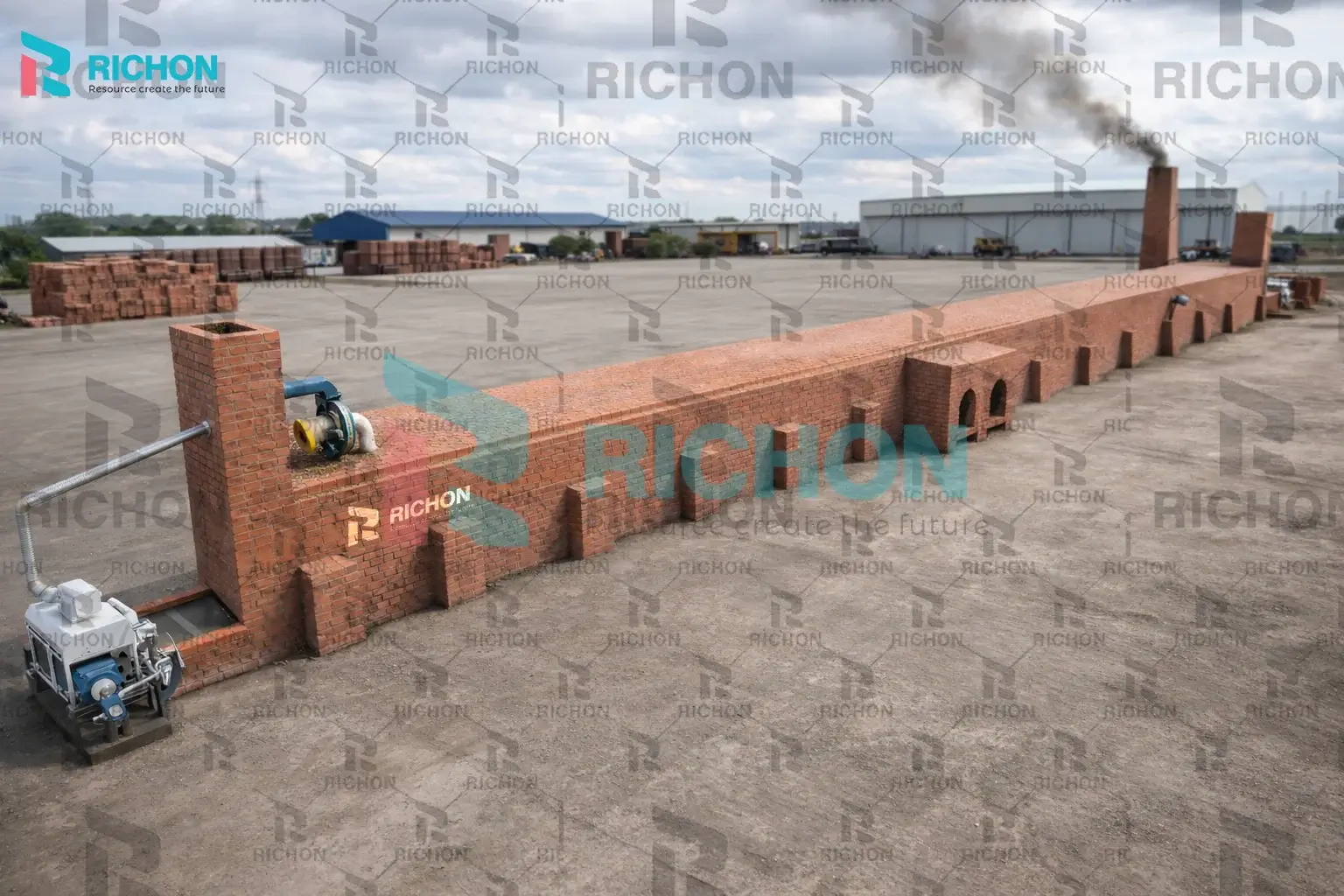
Brick Dryer
A practical mid-level solution for projects that want a balance between investment cost and production continuity, with moderate energy performance.
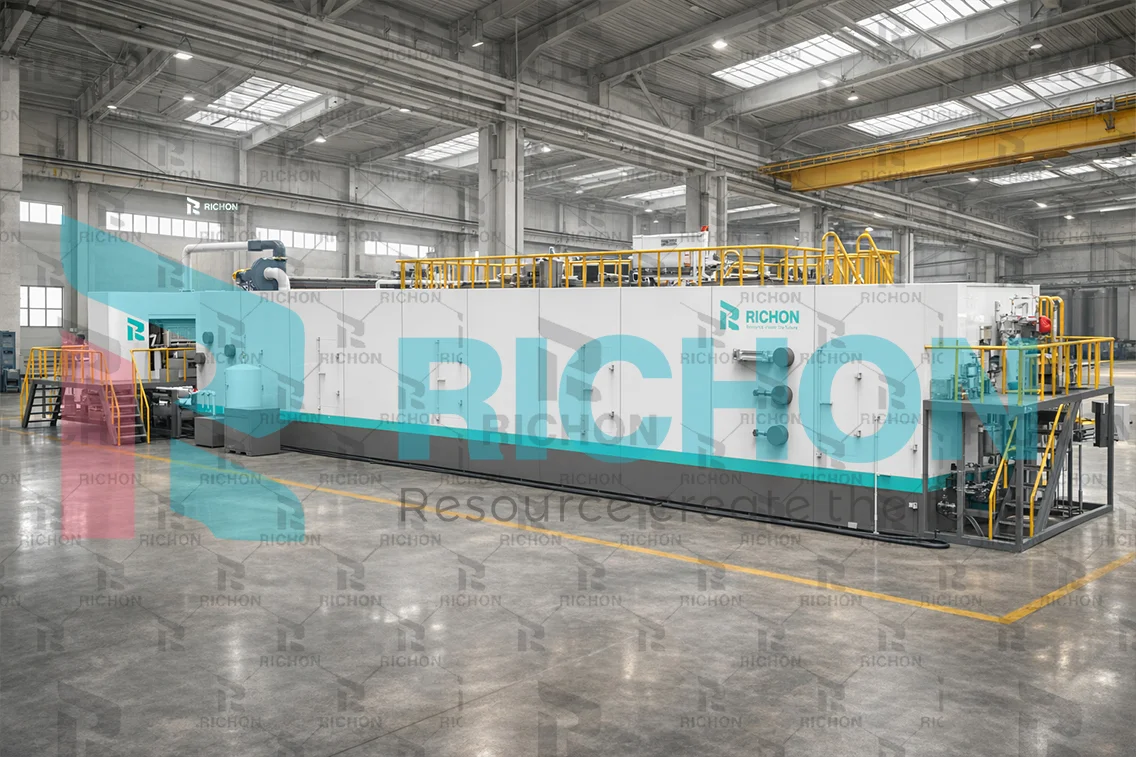
Metal Dryer
Typically preferred for automatic production lines that require better heat control, higher drying efficiency, and more stable large-scale operation.
In practical projects, the right dryer choice depends on capacity target, fuel conditions, climate, automation requirements, and long-term operating strategy.
Recommended Energy Optimization Solutions for Different Project Stages
Different factory stages require different energy strategies. New investors, expanding producers, and upgrading factories should focus on different optimization priorities.
For New Investors
Select a production line with a dryer system matched to actual output demand. Avoid over-configured power systems that increase both investment and long-term utility cost.
For Existing Factories
Evaluate heat loss, vacuum leakage, unstable cycle efficiency, and poor moisture control. These hidden issues often create avoidable energy waste.
For Automation Upgrades
Improve control integration between pulping, forming, transfer, and drying sections so the line runs more smoothly with less idle load and better energy utilization.
Frequently Asked Questions About Egg Tray Machine Energy Consumption
Which section consumes the most energy in egg tray production?
In most production lines, the drying section consumes the most energy. It typically accounts for around 60% to 70% of total energy use because large amounts of moisture must be removed from wet trays.
Does installed power equal actual operating power?
No. Installed power shows the total rated capacity of all connected equipment, while actual operating power depends on how long each unit runs, load condition, automation coordination, and production stability.
Can an energy-efficient line reduce production cost significantly?
Yes. An optimized line can reduce long-term operating cost by improving drying efficiency, reducing heat loss, controlling vacuum and air consumption, and minimizing unstable machine operation.
Why is dryer selection so important for energy analysis?
Because the dryer usually dominates total energy consumption. Different dryer structures and heat sources can lead to major differences in fuel use, control stability, and cost per finished tray.
Explore More Egg Tray Production Knowledge
Continue evaluating your project by reviewing related pages about production line configuration, dryer systems, investment planning, and utility consumption analysis.
Egg Tray Production Line
Understand the complete system structure, machine configuration, and production workflow.
Egg Tray Dryer System
Compare drying options and review the role of the dryer in efficiency and operating cost.
Cost & Investment Analysis
Review project budget logic, investment structure, and factory planning considerations.
Water Consumption Guide
See how water usage and recycling system design affect total factory utility planning.
Contact Us
Get in touch with our team for any inquiries about our egg tray machines and services.
Project Scope
Do you need a complete project solution or a partial solution? Our team can customize the perfect setup for your specific needs and budget constraints.
Product Expectations
What kind of finished product do you expect, and what quality standards are important to you?
Project Timeline
What is your expected timeline for project implementation and operation?
Budget Range
What is the approximate budget range for your project procurement?
Send Us Your Information
Accurate project information will help us provide the perfect solution for your needs.