


Integrated Egg Tray Factory System
Complete Egg Tray Production Line for Factory Projects
Richon configures complete egg tray production lines around required output, raw material, drying, utilities, labor, and workshop flow. The objective is to make pulping, forming, drying, transfer, and stacking operate as one practical factory system. Before approving the final equipment list, verify a supplier before finalizing the line configuration.
- Capacity and drying planned as one production balance
- Utilities and workshop flow reviewed before final configuration
- Model selection tied to verified local operating conditions
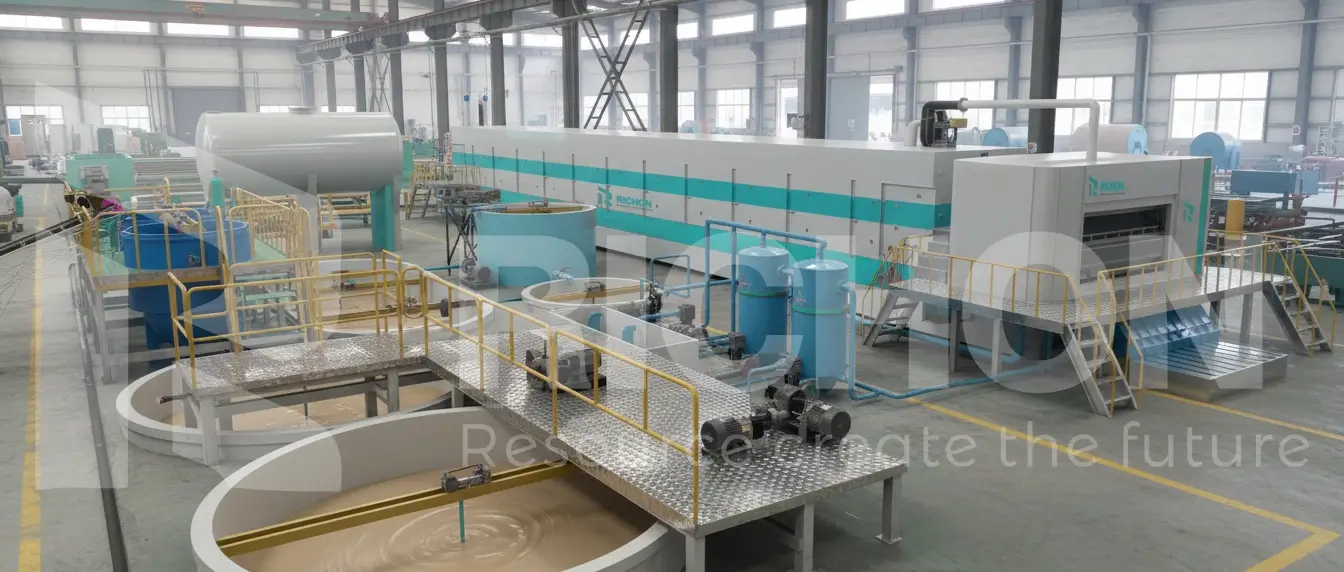
Plan the Whole Factory System
Explore engineering guides for project planning, raw materials, process, drying, energy, water, layout, and investment decisions.
Explore the Engineering Knowledge Center → Drying SelectionCompare Drying System Options
Choose natural drying, brick drying, or metal drying based on capacity, climate, fuel source, and factory space.
View drying systems → Project PlanningStart With Verified Project Inputs
Define market demand, working schedule, site utilities, workshop conditions, and drying requirements before selecting equipment.
Plan an egg tray production project →What Is a Complete Egg Tray Production Line?
A complete egg tray production line converts recycled paper into molded pulp trays through coordinated pulping, forming, drying, stacking, and packing. The correct configuration depends on target output, tray type, drying method, utilities, workshop conditions, and labor plan. Exact capacity, power, fuel use, and labor should be confirmed for the final configuration.
See the full egg tray production process →System-Level Production Planning
Egg Tray Production Line Built as One Integrated System
A complete egg tray production line converts recycled paper into molded pulp trays through coordinated pulping, forming, drying, stacking, and packing stages. Stable output depends on how these systems are matched, not only on the forming machine itself.
A high-quality egg tray is not produced by a single machine. Pulp consistency, vacuum dewatering, mold drainage, wet tray transfer, drying airflow, and stacking timing all affect the final tray strength and shape.
Richon evaluates capacity target, raw material source, drying method, workshop space, utility conditions, and local labor situation before recommending a line configuration. Exact production capacity, power, fuel use, labor arrangement, and installation period should be confirmed according to the final equipment selection.
Learn how the production process works →Why System Matching Matters
Why a Complete Egg Tray Production Line Matters
In industrial egg tray manufacturing, long-term stability comes from matching every stage of the process. Pulping, forming, drying, stacking, utilities, and workshop layout must be planned as one production system.
Balanced Production Flow
When pulping, forming, drying, and stacking capacities are matched correctly, the line is less likely to suffer from bottlenecks, idle equipment, or unstable daily output.
Consistent Product Quality
Tray quality depends on pulp consistency, mold drainage, vacuum dewatering, wet tray transfer, and drying control. Weakness in one stage can affect final tray shape and strength.
Practical Cost Control
A correctly configured line helps reduce avoidable energy waste, repeated manual handling, and maintenance pressure. Exact operating cost still depends on local energy, labor, and equipment configuration.
Adaptation to Local Conditions
Different regions need different line designs. Raw material quality, climate, fuel availability, power supply, and factory space all influence the recommended configuration.
Two factories using similar forming machines can still have different production costs and tray quality. The difference often comes from drying design, pulp preparation, factory layout, and operating discipline.
Read real cost factors →Production Workflow
Egg Tray Production Line Process Flow
A complete egg tray production line works through four connected stages: pulp preparation, vacuum forming, drying, and stacking. Each stage must be matched to the selected capacity, raw material quality, drying method, and factory layout.
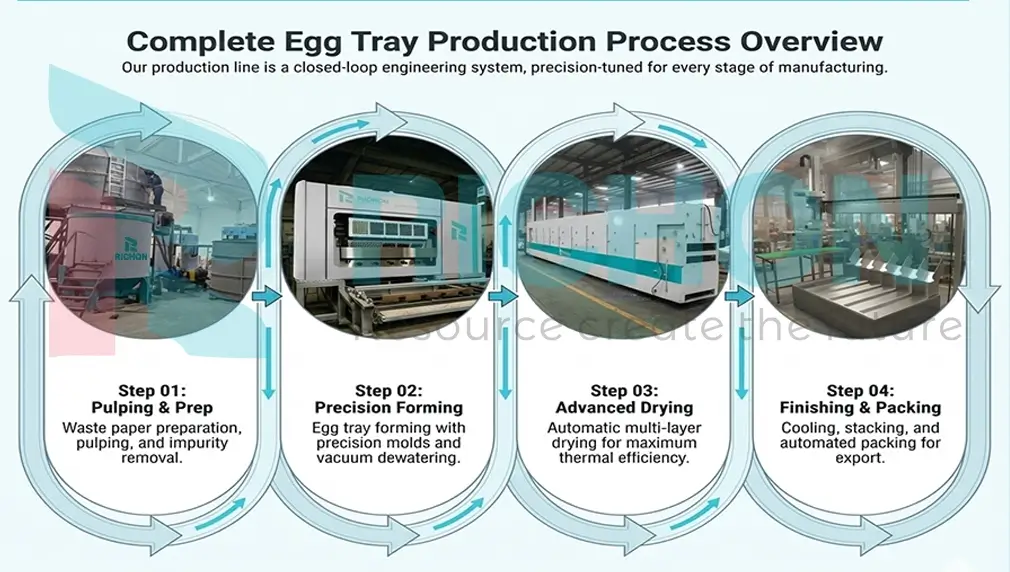
Pulping & Stock Preparation
Waste paper is mixed with water, pulped, screened, and adjusted into slurry. Fiber quality, impurity removal, and pulp consistency directly influence forming stability.
Key focus: raw material adaptabilityVacuum Forming & Transfer
Pulp fibers are deposited onto molds by vacuum suction. Mold drainage, vacuum balance, and wet tray transfer affect tray weight, surface quality, and deformation risk.
Key focus: forming consistencyDrying System
Wet trays are dried by natural drying, brick drying rooms, or metal dryer systems. The best method depends on output target, climate, fuel source, workshop space, and investment plan.
Key focus: moisture and shape controlStacking & Packing
Dried trays are counted, stacked, and prepared for storage or shipment. Cooling, stacking pressure, and packing method should match the final product type and logistics requirement.
Key focus: stable handling and storageNeed a deeper breakdown of each production stage, equipment selection, and process control points?
Read the process guide →Process Questions
Egg Tray Production Line Process FAQ
These answers explain the main engineering factors behind egg tray production line configuration, raw material preparation, drying selection, capacity planning, and factory setup.
How does an egg tray production line work?
An egg tray production line converts recycled paper into molded pulp trays through pulping, vacuum forming, drying, stacking, and packing. The process should be planned as one continuous system because unstable pulp, poor vacuum dewatering, or unsuitable drying can affect final tray quality.
What raw materials are used in egg tray production?
Common materials include waste cartons, old newspapers, office paper, mixed recycled paper, and prepared pulp. Fiber quality, impurity level, and pulp consistency all affect tray strength and forming stability. For more detail, see the egg tray raw materials guide.
How should production capacity be selected?
Capacity should be selected according to sales demand, available workshop space, drying method, utility supply, labor arrangement, and budget. The exact output depends on forming machine model, mold quantity, dryer configuration, and operating conditions. Compare common options in the 3K vs 5K vs 8K vs 10K capacity guide.
What drying system is best for an egg tray production line?
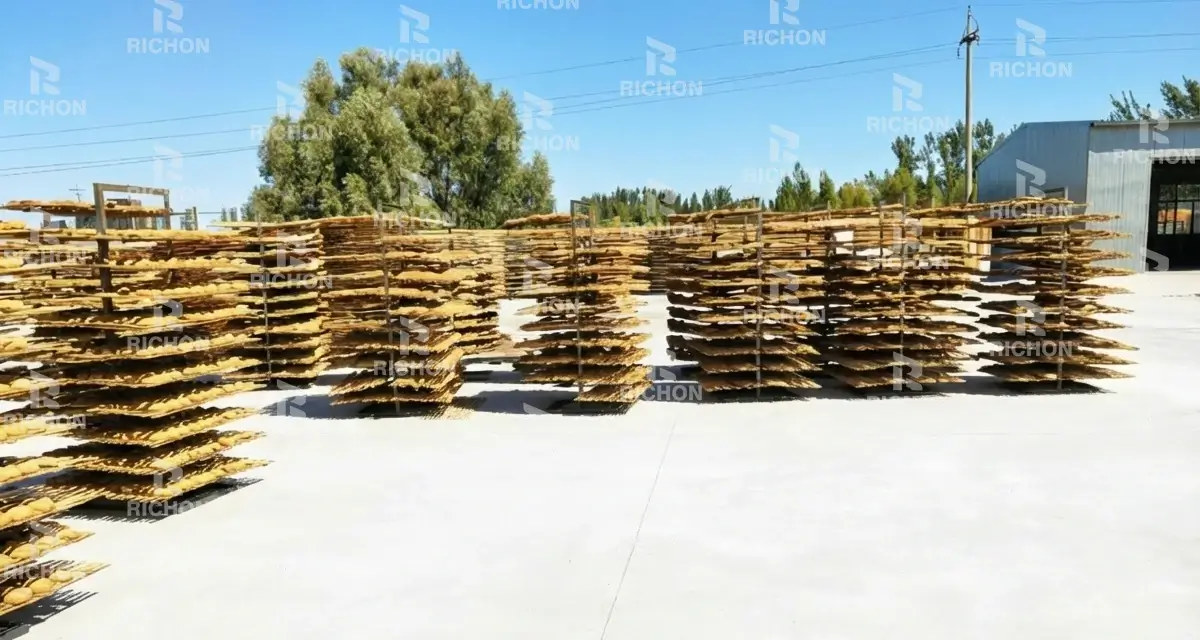
There is no single best drying system for every project. Natural drying can fit small or climate-friendly projects, brick drying rooms are practical for many medium-capacity factories, and metal dryer systems are often used when automation, stable output, and compact layout are required. Review the egg tray dryer system options before finalizing a layout.
How much factory space is required?
Factory space depends on capacity, drying method, raw material storage, finished tray storage, utility area, and internal material flow. Natural drying usually needs more open space, while metal dryer systems can support more compact layouts. Exact workshop size should be confirmed after final equipment configuration. See the egg tray factory layout guide for planning factors.
Can the same production process work in different countries?
Yes, but the configuration should be adapted. Local raw materials, humidity, fuel availability, power standard, labor cost, environmental rules, and maintenance conditions can all change the recommended pulping, drying, and automation setup.
Raw Material Planning
Raw Material Adaptability
Different regions use different recycled paper sources. A stable egg tray production line should be configured around fiber quality, impurity level, pulp consistency, water circulation, and the strength requirement of the final tray.
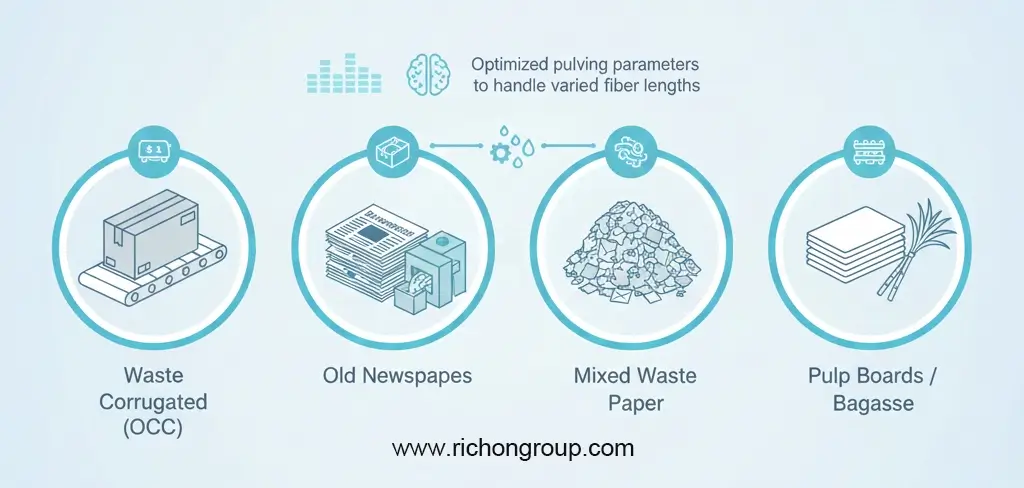
Waste Corrugated Cartons
Corrugated cartons usually provide stronger fiber support, but impurities, tape, and coating should be controlled during stock preparation.
Old Newspapers
Newspapers can be easy to pulp and useful in mixed furnish, but the final tray strength depends on blending ratio and fiber condition.
Mixed Waste Paper
Mixed recycled paper is common in many markets. Screening, consistency adjustment, and stable pulp circulation are important for reliable forming.
Pulp Board or Plant Fiber
Prepared pulp or plant fiber can be used for specific molded pulp products, but food-contact requirements and product standards should be confirmed for each project.
Lower-grade paper may still be usable when pulping, screening, pulp ratio, mold drainage, and drying conditions are adjusted correctly. The suitable formula should be tested according to local raw material samples.
Read raw material guide →Main Equipment Systems
Key System Components of an Egg Tray Production Line
A stable egg tray production line is built from coordinated systems. Each component affects forming quality, drying performance, maintenance workload, and long-term production reliability.
Pulping System for Fiber Consistency and Cleanliness
The pulping system prepares recycled paper into usable slurry. Fiber condition, impurity control, water circulation, and pulp consistency influence tray weight, drainage, and forming stability.
- Pulping and screening layout selected according to raw material quality
- Consistency control to support stable fiber distribution before forming
- Impurity removal to reduce mold blockage and unstable production
Engineering focus: stable pulp quality is more important than short-term output spikes.
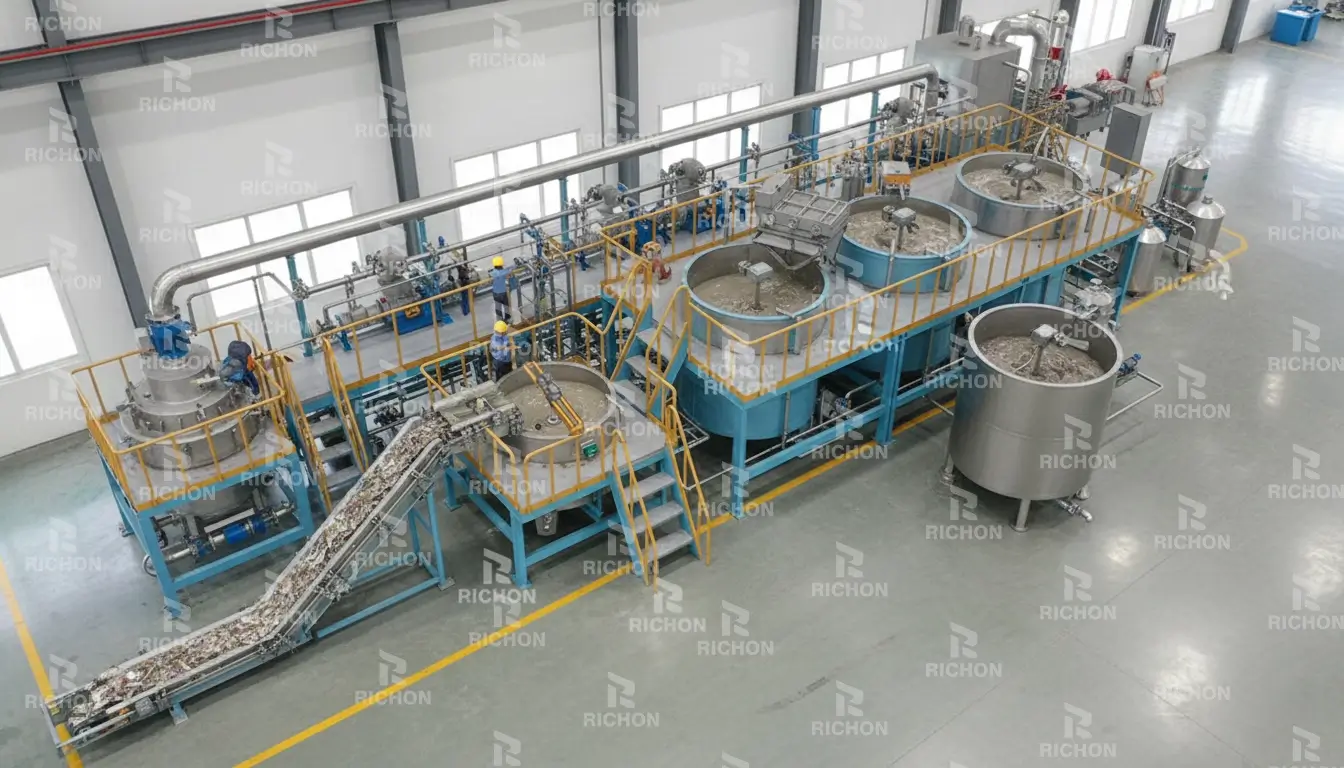
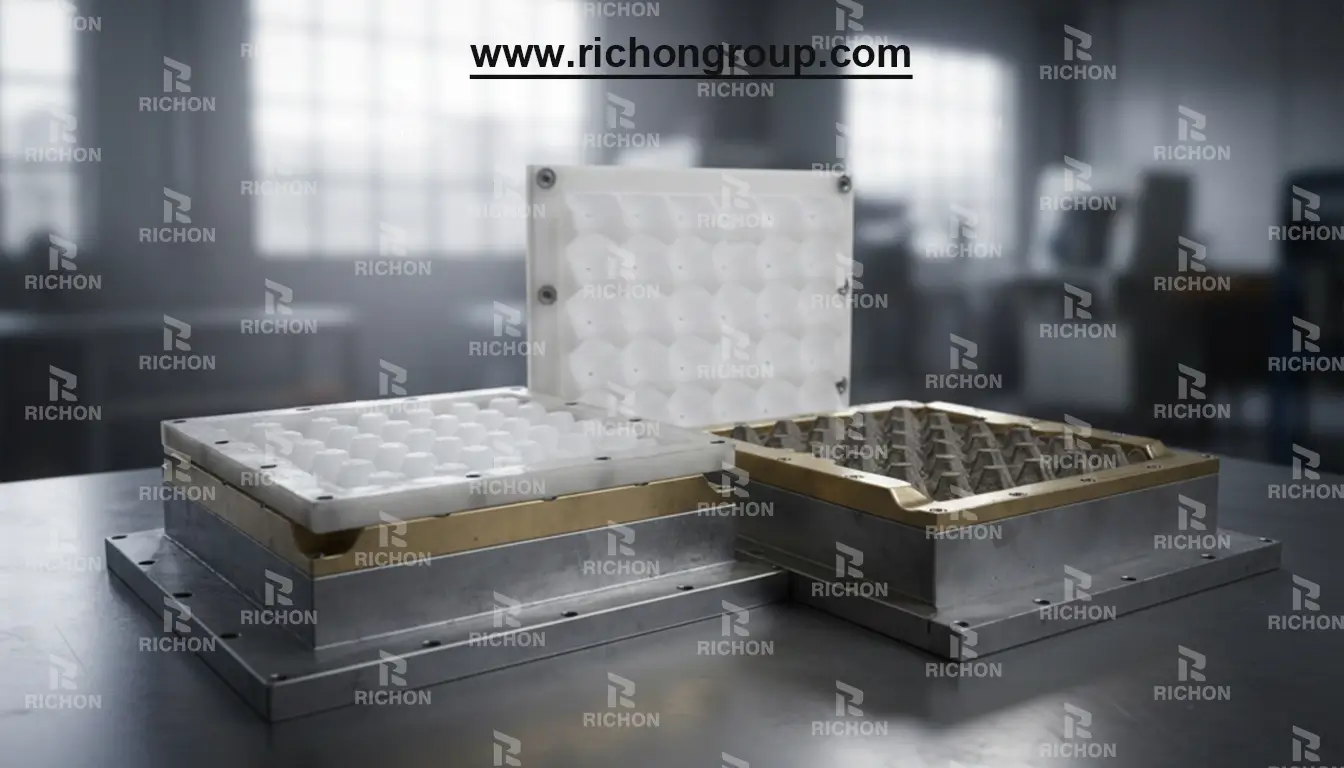
Forming System and Mold Design for Tray Shape Control
The forming system defines tray geometry, thickness distribution, and wet tray transfer stability. Mold drainage, mesh structure, vacuum matching, and transfer timing must be considered together.
- Forming machine type matched to capacity target and automation level
- Mold structure designed for drainage, product shape, and demolding behavior
- Transfer process planned to reduce wet tray deformation before drying
Learn more about mold structure in the mold technology guide.
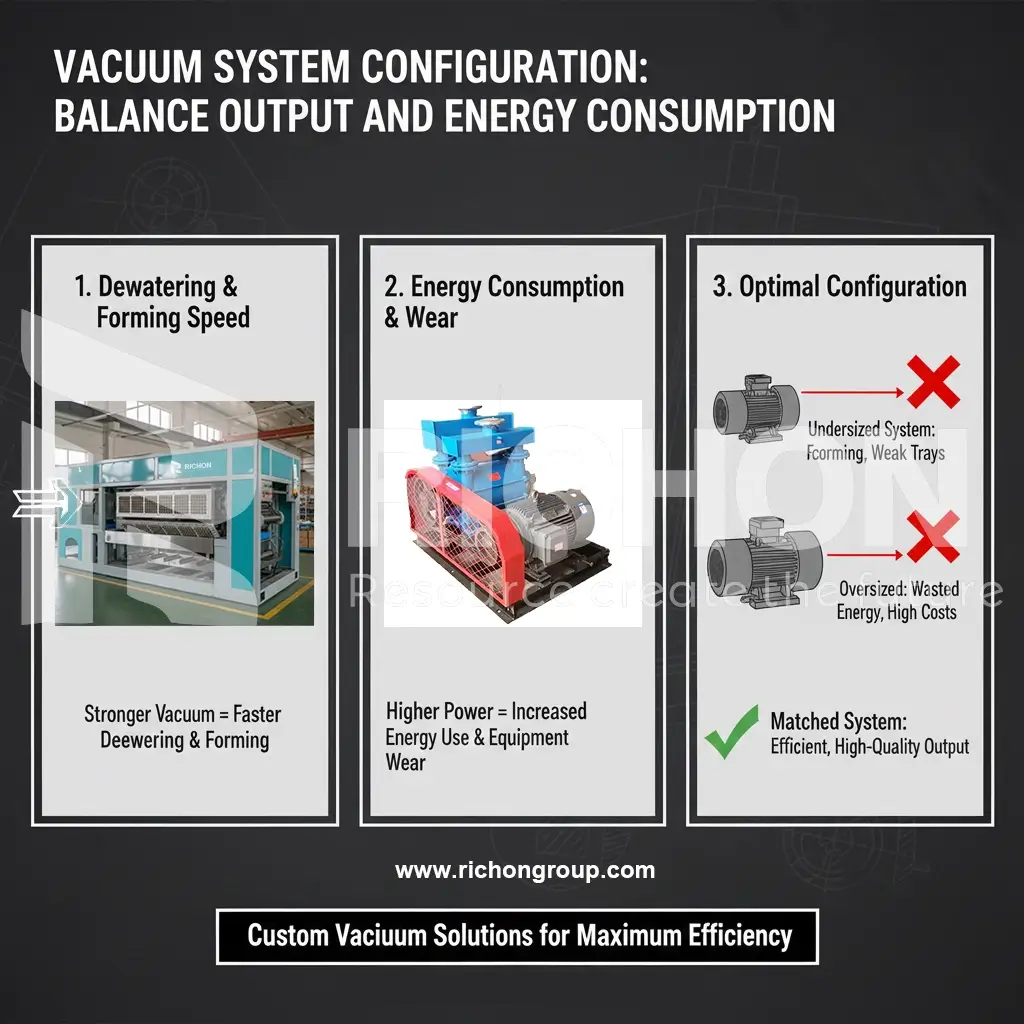
Vacuum System for Dewatering and Forming Stability
Vacuum performance affects fiber deposition, dewatering speed, wet tray moisture, and forming cycle stability. Under-sized or poorly balanced vacuum piping can create unstable tray weight and higher operating pressure.
- Vacuum capacity calculated from mold quantity, forming area, and cycle requirement
- Piping layout planned to reduce unnecessary pressure loss
- Pump selection confirmed according to final machine model and operating conditions
Exact vacuum pump configuration should be confirmed after the final forming system is selected.
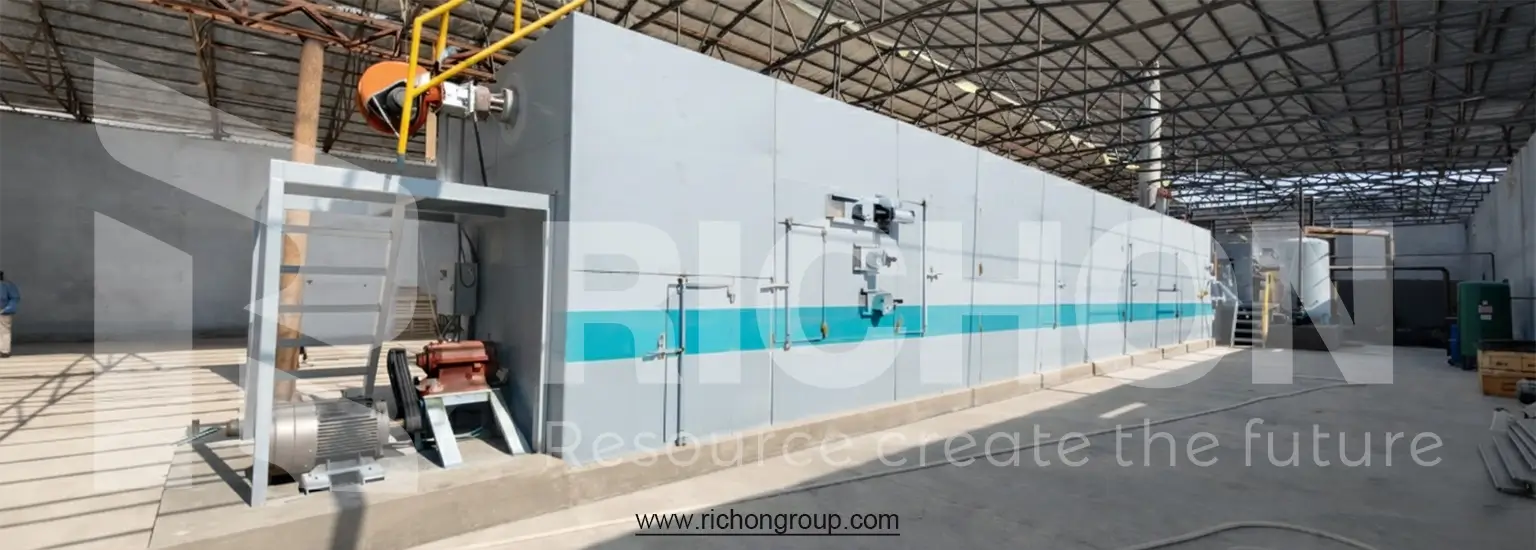
Drying System for Final Strength and Dimensional Stability
Drying is often the stage where earlier forming problems become visible. Uneven wet tray thickness, unstable airflow, or unsuitable heat control can lead to deformation, cracking, or inconsistent moisture.
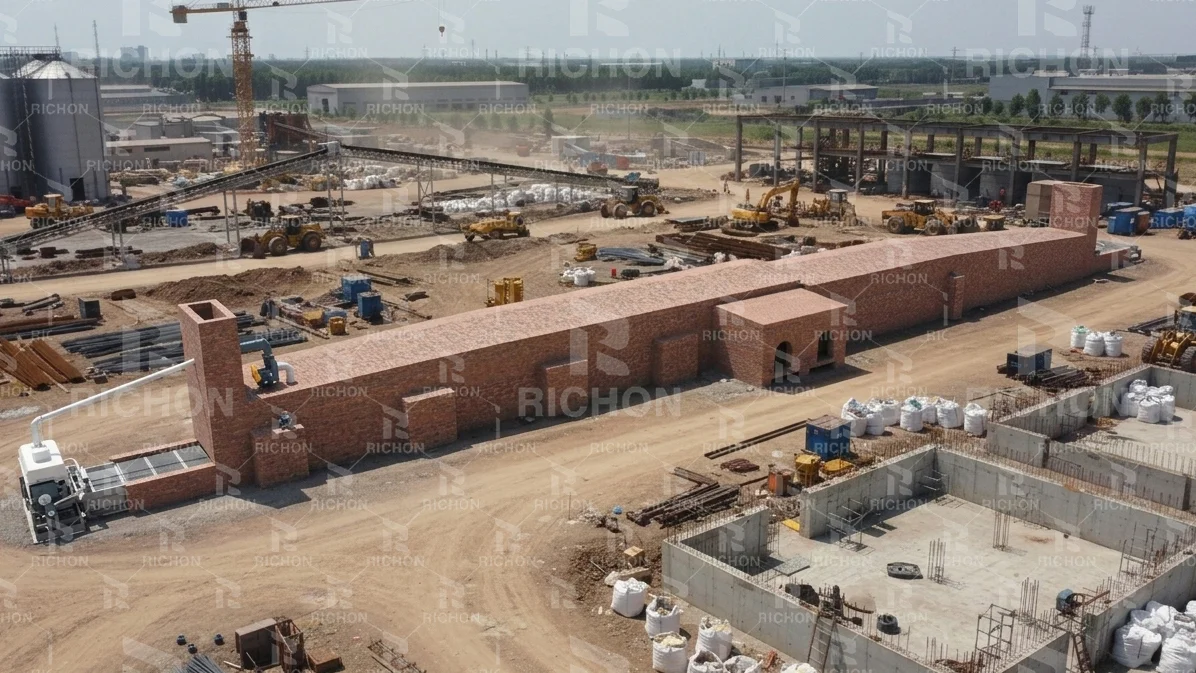
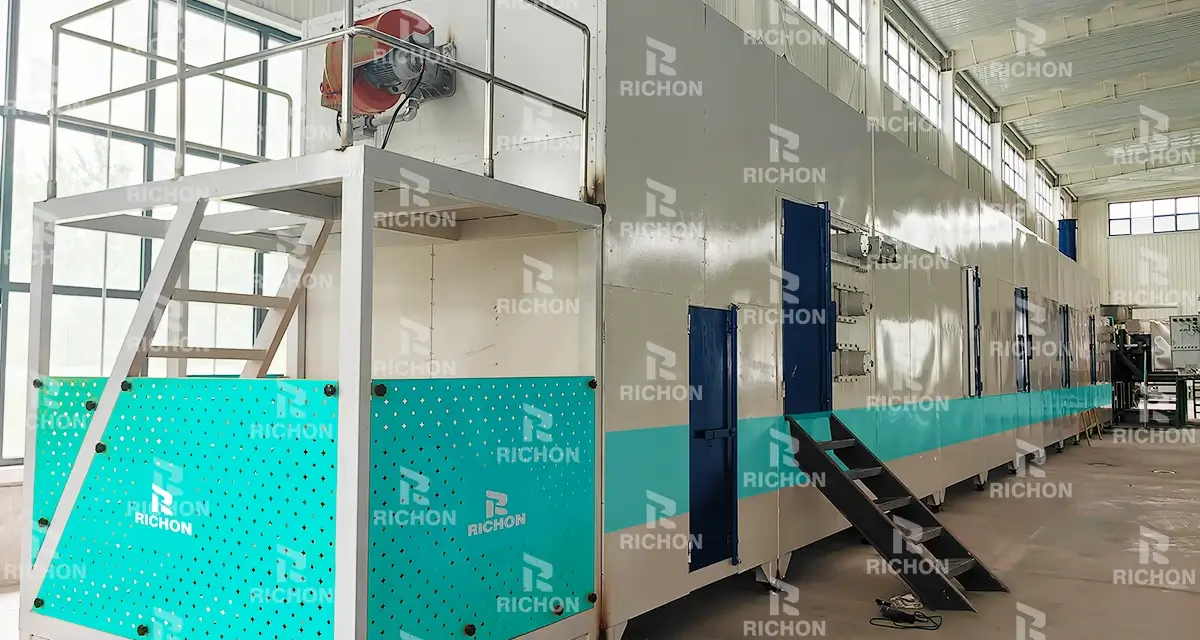
- Natural drying, brick drying room, or metal dryer selected by project conditions
- Heat source reviewed according to local fuel availability and operating cost
- Airflow and temperature planning adjusted to tray type and capacity requirement
Compare dryer choices in the brick dryer vs metal dryer guide.
Egg Tray Drying Solution Options
Verified Model Data
Egg Tray Production Line Capacity Configurations
Richon egg tray production line models cover 800 to 9,000 pcs/h reference capacity ranges. Capacity, total power, estimated running power, labor, and drying method should be checked together before selecting a model.
REM3-1 / REM4-1
Reference capacity: 800-1,500 pcs/h.
- Total power: 32 kW to 36-60 kW
- Estimated running power: 22.4 kW to 25.2-42 kW
- Labor reference: 3-6 persons
REM3-4
Reference capacity: 1,700-2,200 pcs/h.
- Molding stations: 12
- Total power: 55-74 kW
- Estimated running power: 38.5-51.8 kW
- Labor reference: 4-6 persons
REM4-4
Reference capacity: 2,000-3,000 pcs/h.
- Molding stations: 16
- Total power: 58-88 kW
- Estimated running power: 40.6-61.6 kW
- Labor reference: 4-6 persons
REM4-8 / REM5-8
Reference capacity: 4,000-5,500 pcs/h.
- Total power: 127-190 kW
- Estimated running power: 88.9-133 kW
- Labor reference: 4-7 persons
REM6-8 / REM8-8
Reference capacity: 6,000-9,000 pcs/h.
- Total power: 226-374.2 kW
- Estimated running power: 158.2-261.94 kW
- Labor reference: 6-8 persons
| Model | Production Capacity | Molding Stations | Total Power | Estimated Running Power | Labor Required | Capacity Link |
|---|---|---|---|---|---|---|
| REM3-1 | 800-1000 pcs/h | 3 | 32 kW | 22.4 kW | 3-5 persons | 1000 pcs/h solution |
| REM4-1 | 1000-1500 pcs/h | 4 | 36-60 kW | 25.2-42 kW | 4-6 persons | – |
| REM3-4 | 1700-2200 pcs/h | 12 | 55-74 kW | 38.5-51.8 kW | 4-6 persons | 2000 pcs/h solution |
| REM4-4 | 2000-3000 pcs/h | 16 | 58-88 kW | 40.6-61.6 kW | 4-6 persons | 3000 pcs/h solution |
| REM4-8 | 4000-4500 pcs/h | 32 | 127-144 kW | 88.9-100.8 kW | 4-6 persons | 4000 pcs/h solution |
| REM5-8 | 5000-5500 pcs/h | 40 | 153-190 kW | 107.1-133 kW | 5-7 persons | 5000 pcs/h solution |
| REM6-8 | 6000-6500 pcs/h | 48 | 226-239 kW | 158.2-167.3 kW | 6-8 persons | 6000 pcs/h solution |
| REM8-8 | 8000-9000 pcs/h | 64 | 374.2 kW | 261.94 kW | 6-8 persons | 8000 pcs/h solution |
The estimated running power above follows the model power table reference of approximately 70% of total power. Actual power consumption, labor arrangement, fuel use, and drying performance depend on selected dryer type, raw material moisture, tray weight, local operating conditions, and final equipment configuration.
Before selecting a model, compare forming capacity with drying capacity, workshop layout, utility supply, labor plan, and local energy cost. Oversizing the forming machine without matching drying capacity can create a production bottleneck.
Selection Method
How to Choose the Right Egg Tray Production Line
A suitable production line is not selected by capacity alone. Richon reviews forming model, drying method, power supply, raw material condition, labor plan, and workshop space together before recommending a configuration.
Confirm Market Demand First
The model should match realistic daily sales volume, not only a desired maximum output. Oversizing too early may increase drying pressure and working capital.
- Plan an egg tray production project around realistic daily demand
- Check buyer type: farms, distributors, or packaging users
- Plan capacity around confirmed market channels
Match Model with Drying Capacity
A forming machine can only perform well when drying capacity keeps up. REM4-8, REM5-8, REM6-8, and REM8-8 projects need more careful dryer planning.
- Natural drying fits only suitable low-output conditions
- Brick drying rooms can work for many medium projects
- Metal dryers are better for compact and automated layouts
Review Utilities and Operating Cost
Total power and estimated running power vary by model. Fuel source, local electricity cost, water condition, and operator arrangement also affect daily production cost.
- Check available transformer and power supply
- Analyze egg tray production energy consumption for local power and fuel conditions
- Plan water use and recycling before final utility design
Plan Factory Layout and Expansion
Space should be reserved for raw material storage, pulping, forming, drying, finished tray storage, maintenance access, and future expansion if needed.
- Plan an egg tray factory layout for safe material flow
- Reserve drying and storage space early
- Leave access for maintenance and mold change
Engineering rule: choose the forming model and drying system together. For example, selecting a higher-capacity REM model without matching drying space, heat source, and airflow design can create a bottleneck even when the forming machine itself has enough output.
Send your target capacity, available workshop size, raw material type, local fuel source, and expected automation level. Richon engineers can help check which model range and dryer type fit your project conditions.
Investment Planning
Cost and Investment Considerations for Egg Tray Production Lines
The price of an egg tray production line is not a fixed number. It depends on model selection, drying method, automation level, factory layout, local fuel cost, labor plan, and final equipment configuration.
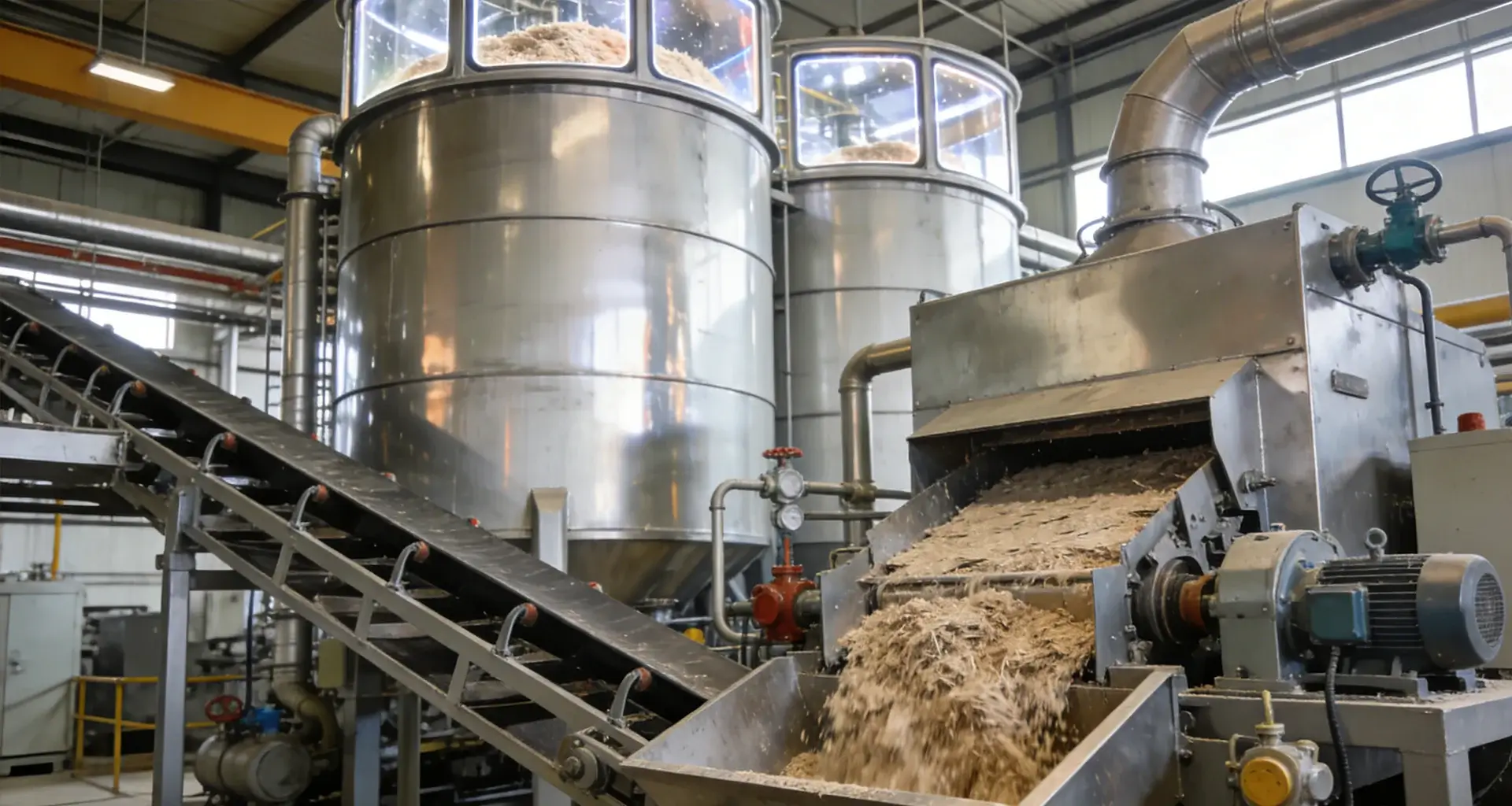
Model, Capacity, and Automation Cost
Equipment investment changes with the selected REM model, molding station quantity, transfer method, control system, and stacking configuration.
- REM3-1 to REM8-8 model selection
- Forming machine capacity and molding stations
- Manual, semi-automatic, or automatic handling
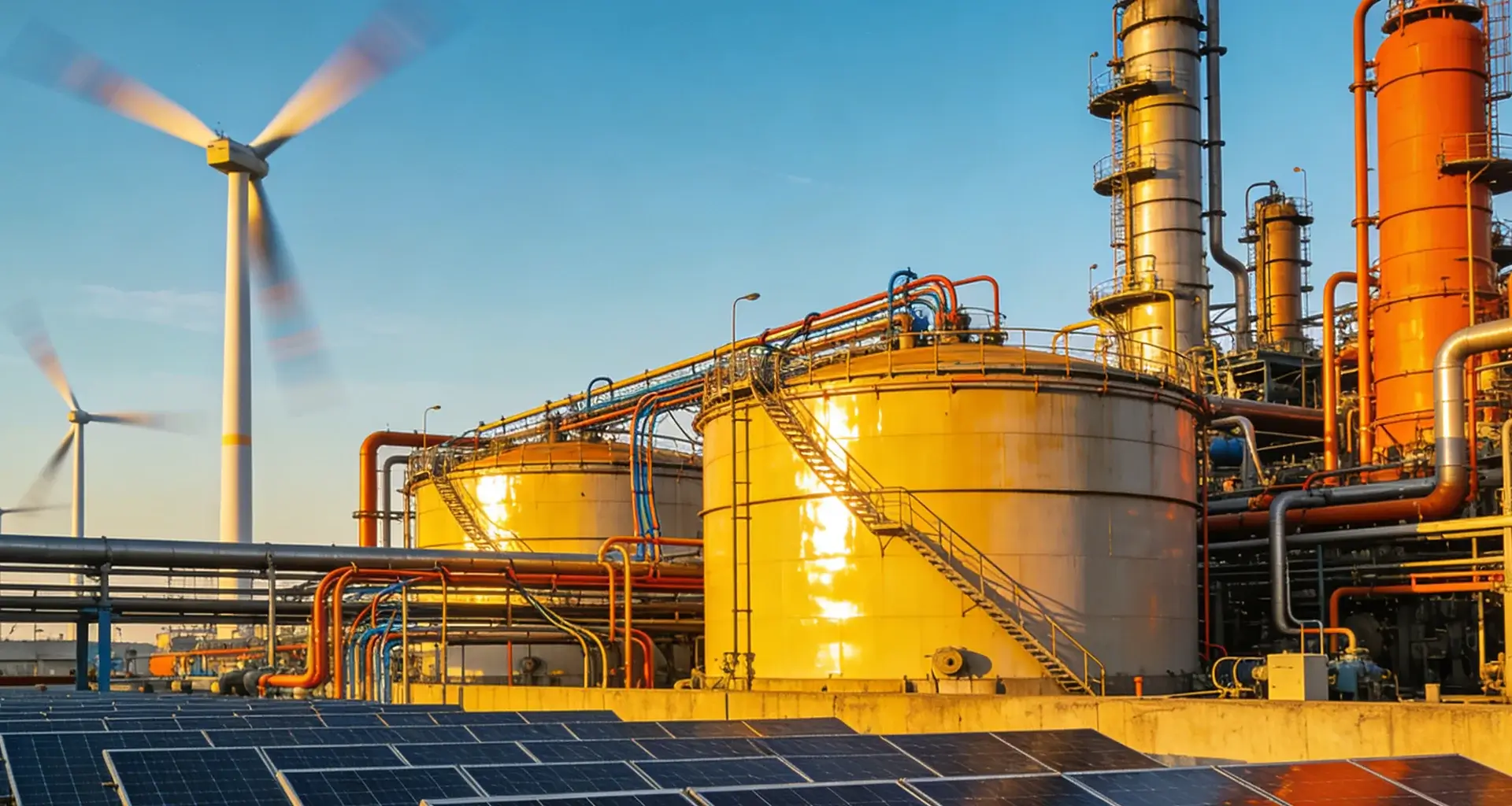
Drying System and Operating Cost
Drying is often the largest operating cost factor. Natural drying, brick drying rooms, and metal dryers create different investment, fuel, space, and labor requirements.
- Fuel source: gas, diesel, biomass, coal, steam, or electricity
- Humidity, climate, tray moisture, and drying area
- Model power and actual running load under local conditions
Workshop, Utilities, and Maintenance
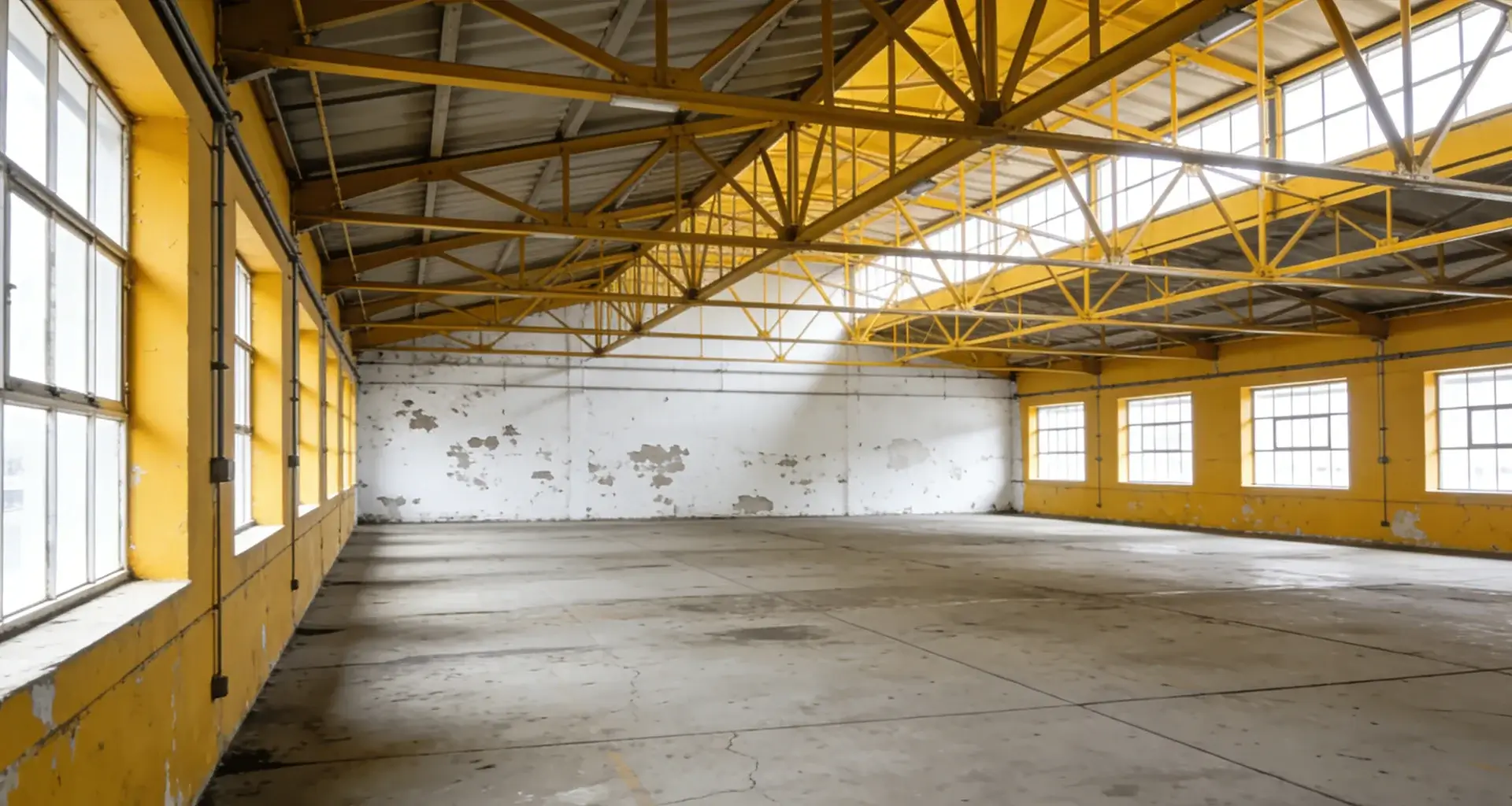
Total investment also includes the factory environment around the machine. Poor layout or weak utility planning can increase operating pressure after installation.
- Raw material, drying, and finished tray storage space
- Power supply, water circulation, drainage, and fuel system
- Spare parts, mold maintenance, and operator training
A low machine quotation does not always mean a lower project cost. Richon recommends comparing equipment price with drying cost, power demand, factory layout, maintenance access, and long-term operating conditions before making the final decision.
Mold and Product Planning
Applications and End Products
The main purpose of an egg tray production line is egg tray manufacturing. With suitable molds and process adjustment, selected molded pulp products can also be produced, but product feasibility should be confirmed by mold design, raw material, drying behavior, and quality requirements.
Egg Trays and Egg Cartons
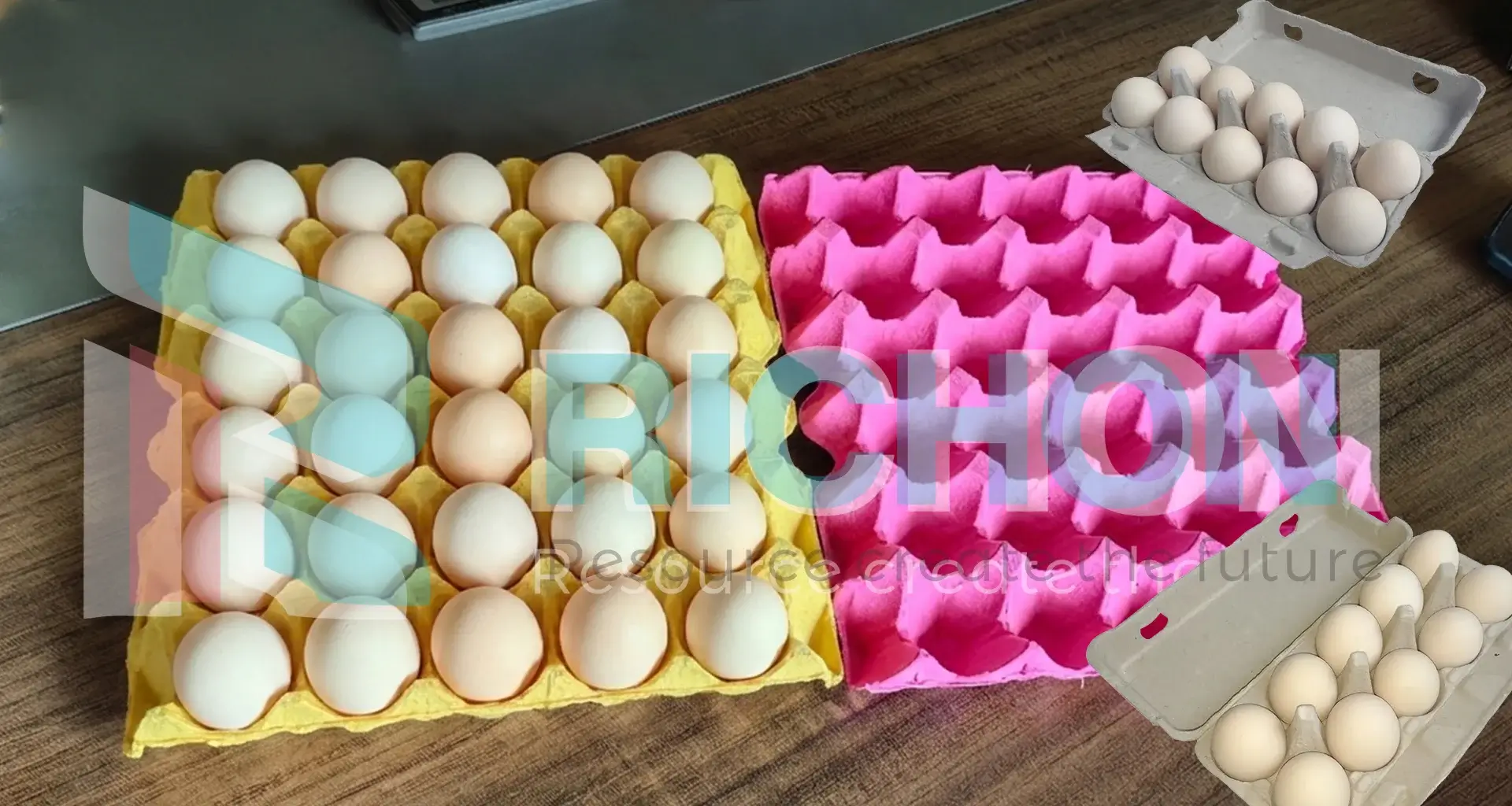
Standard egg trays and cartons are the main products for poultry farms, egg distributors, and packaging suppliers.
- 30-cell egg trays
- 6, 10, 12, or 15-cell egg cartons
- Stackable transport trays

Fruit and Agricultural Trays
Fruit trays may require different mold depth, drainage design, and drying control compared with standard egg trays.
- Apple trays
- Pear or mango trays
- Light agricultural packaging
Industrial Molded Pulp Packaging
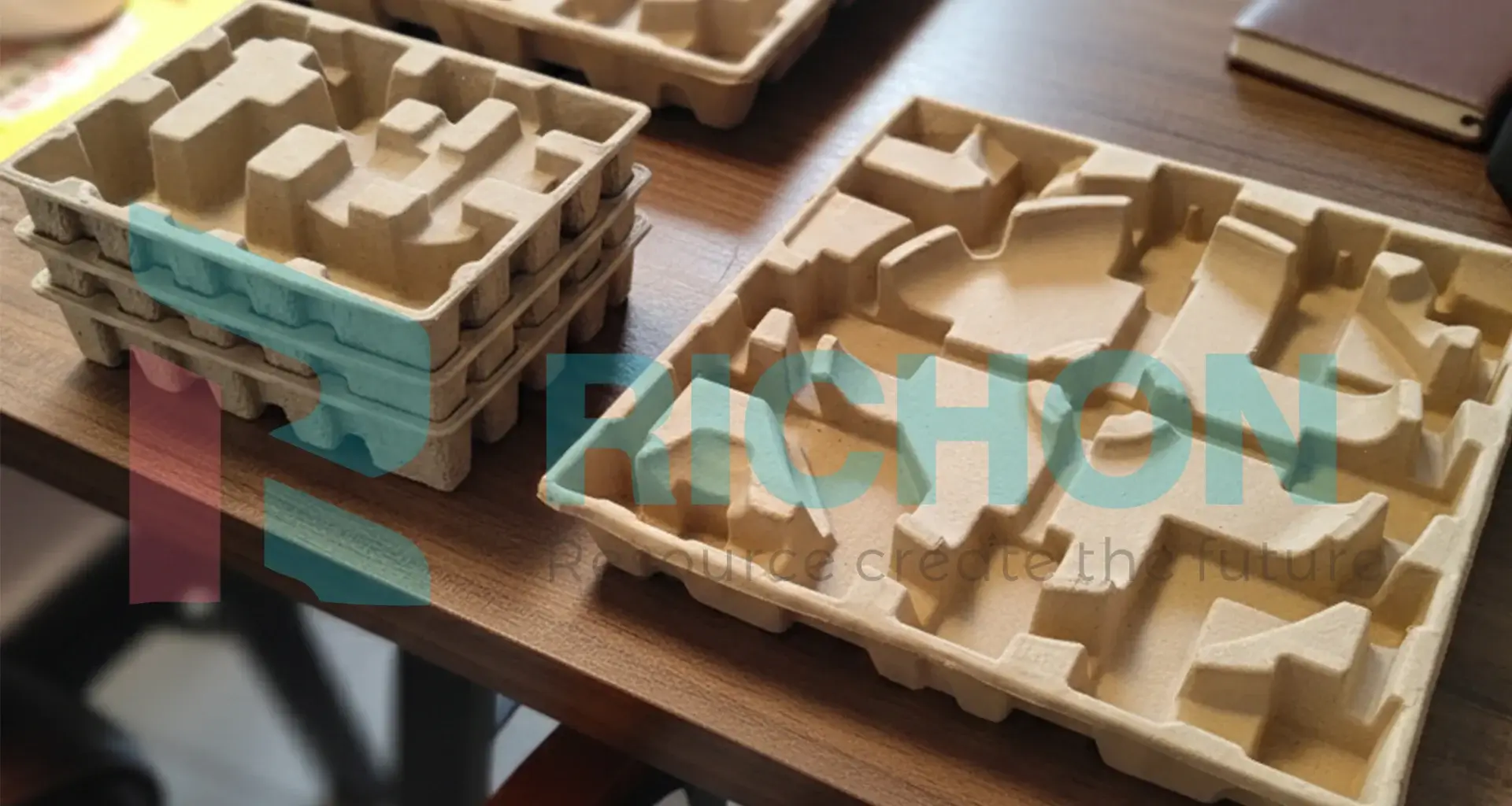
Industrial packaging is project-specific. The line may need adjusted forming, transfer, drying, and trimming requirements.
- Bottle trays
- Electronics inner packaging
- Industrial spare part trays

Custom Molded Pulp Products
Custom products should be reviewed by sample structure, mold feasibility, raw material formula, and final drying performance.
- OEM packaging projects
- Special-shaped pulp products
- Brand-specific molded pulp designs
Before using an egg tray line for non-egg-tray products, confirm mold structure, pulp formula, drying behavior, and product standard. Not every molded pulp item can share the same configuration without adjustment.
Read mold technology guide →Project Support and Manufacturing Experience
Why Choose Richon
Richon supports international egg tray production line projects with equipment configuration, drying system planning, factory layout review, and long-term operating guidance based on real molded pulp production logic.
Manufacturing and Assembly Control
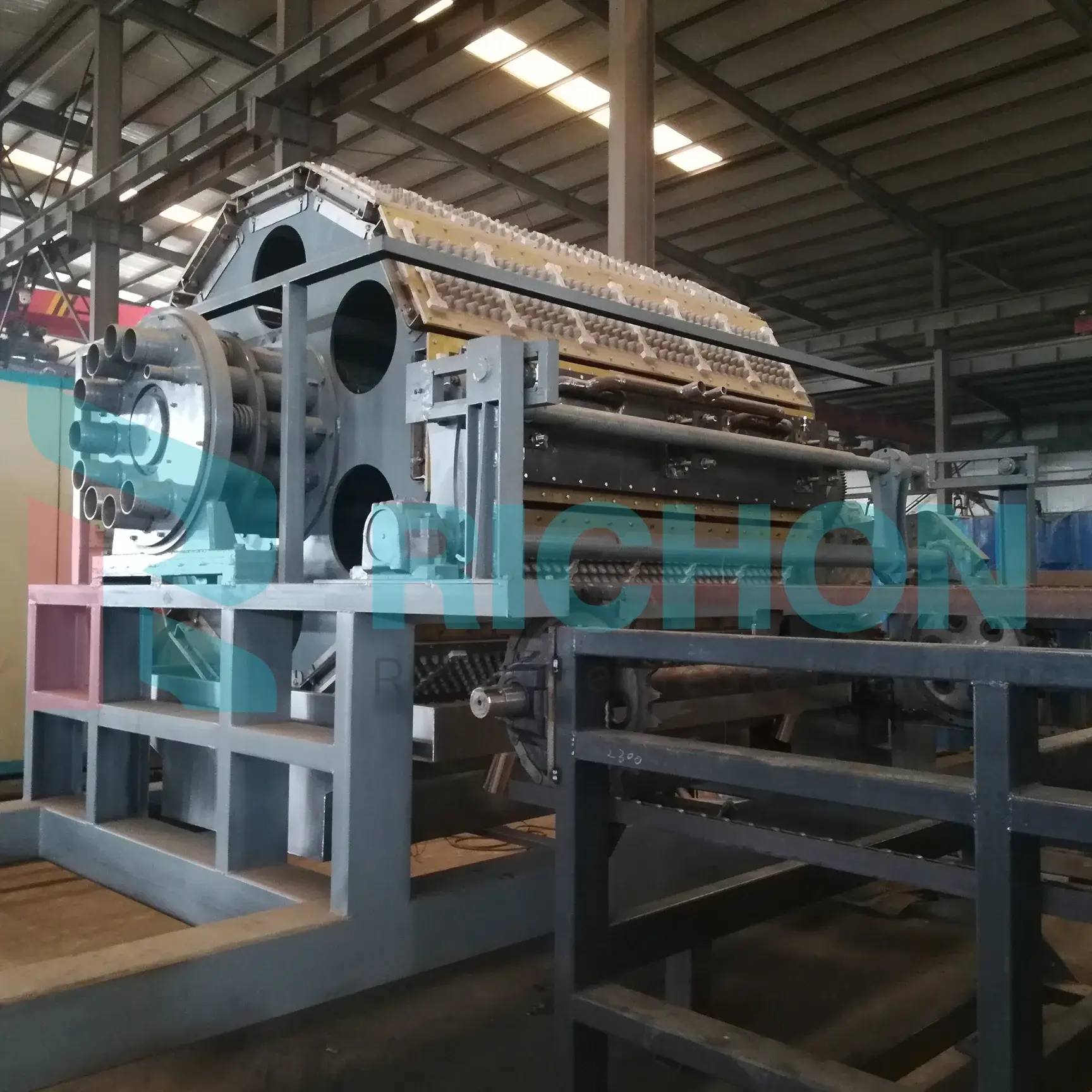
Richon pays attention to equipment structure, assembly quality, mold matching, vacuum system layout, and pre-delivery checking before shipment.
Engineering-Driven Line Configuration
Production line recommendations are based on capacity target, raw material condition, drying constraints, power supply, fuel source, and workshop layout.
Drying and Automation Experience
Richon helps match forming output with natural drying, brick drying rooms, or metal dryer systems so the drying stage does not become the main bottleneck.
International Project Support
Support can include layout discussion, packaging for export shipment, remote technical guidance, spare parts planning, and operating suggestions after delivery.
Need a supplier who can discuss machine model, drying system, factory layout, and operating conditions together before quotation?
Buyer FAQ and Related Guides
FAQ and Expert Topic Hub
These questions help buyers connect model selection, drying system, investment planning, raw materials, and maintenance before requesting a final egg tray production line quotation.
What affects egg tray production line capacity?
Capacity depends on forming machine model, molding station quantity, mold design, pulp preparation, drying capacity, and operation stability. Do not select capacity by forming output alone; the dryer and workshop layout must match the selected model. See the 3K vs 5K vs 8K vs 10K capacity comparison.
Which drying solution should I choose?
The suitable drying solution depends on capacity, climate, fuel source, factory space, and budget. Natural drying can fit small projects, brick drying rooms are practical for many medium projects, and metal dryers are often used for automated or higher-output factories. Compare options in the egg tray dryer system guide.
How do I estimate egg tray production line investment?
Investment includes equipment model, drying system, installation conditions, utility preparation, raw material handling, spare parts, molds, and operator training. A quotation should reflect final configuration rather than a generic machine price. Read the real production cost guide for planning factors.
Can one line produce products other than egg trays?
Some molded pulp products can be produced by changing molds and adjusting the process, but feasibility depends on product shape, mold structure, pulp formula, drying behavior, and quality standard. For mold-related planning, review the mold technology guide.
What should be checked before placing an order?
Confirm target capacity, raw material source, dryer type, power supply, fuel availability, workshop space, labor plan, installation conditions, and after-sales support. Exact power consumption, fuel use, and installation period should be confirmed according to the final equipment configuration.
Need a configuration recommendation based on your target capacity, factory space, raw material, and local fuel conditions?
Talk to Richon engineers →Project Consultation
Need to confirm capacity, drying layout, or investment plan?
Share your target output, factory conditions, and drying preference. Richon engineers will help review a suitable egg tray production line configuration for your project.