 English
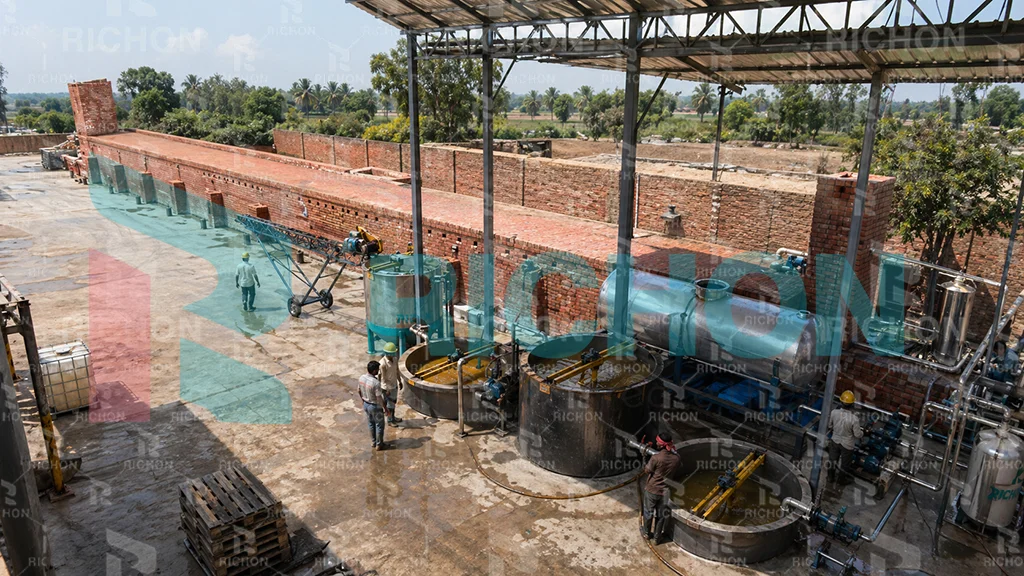
India 5000–5500 pcs/h Egg Tray Factory Planning Reference
This page presents a planning reference for an India egg tray factory using a REM5-8 configuration and a normal capacity range of 5000–5500 pcs/h. Exact output depends on final configuration and operating conditions.
Planning Reference Overview
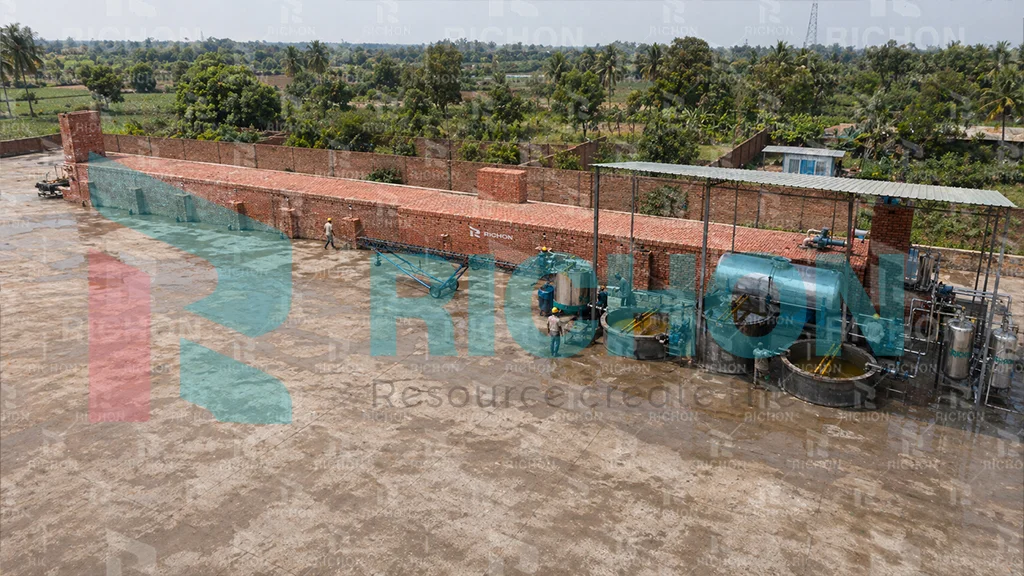
This India egg tray factory planning reference is built around the REM5-8 configuration, a normal 5000–5500 pcs/h capacity range and a brick drying structure. It supports configuration evaluation without claiming a delivered customer project.
Project Type
Egg Tray Factory Project
Market Reference
India
Model Reference
REM5-8
Capacity Range
5000–5500 pcs/h
Raw Material
Waste Paper / Recycled Paper
Drying System
Brick Dryer
Product Type
Paper Egg Trays
Planning Focus
Stable Output, Drying Coordination, ROI Logic
Why an India 5000–5500 pcs/h Factory Needs Structured Planning
A 5000 pcs/h egg tray factory is no longer a starter setup. At this scale, the project depends on how well pulping, forming, drying, and product handling are coordinated. Real output stability comes from line balance and layout logic rather than machine size alone.
Commercial-Scale Output
A 5000 pcs/h project should be treated as a commercial production line. It needs reliable workflow design so that forming rhythm and drying rhythm remain matched through daily operation.
Drying Coordination Matters
Brick drying should be planned together with tray transfer logic, operating path, and factory space usage. This is why a structured factory layout is important for an India market project.
Actual Output Depends on Workflow
Production continuity depends on how the full system works together. A good line configuration must connect pulping, forming, drying, and packing in a practical and manageable factory flow.
Why Brick Drying Is Considered in This Planning Reference
For an India 5000 pcs/h egg tray factory, a brick drying system can be a practical solution when investment control, fuel flexibility, and stable commercial production are all important. The key is not only the dryer itself, but how the whole line is matched to the dryer structure.
- Brick drying offers a practical balance between factory investment and production demand.
- It can support stable daily production when correctly matched with the REM5-8 forming configuration.
- Fuel route can be selected according to local conditions, which helps improve project flexibility.
- The drying section should be considered together with tray transfer, worker path, and finished product handling.
- For a 5000 pcs/h factory, brick drying becomes more effective when factory layout is planned from the start.
| REM5-8 Brick Drying Consumption per Hour | |
|---|---|
| Coal | 140–150 kg/h |
| Natural Gas | 92–102 m³/h |
| LPG | 118.13 L/h |
| Diesel | 74–84 kg/h |
Production Line Configuration Logic
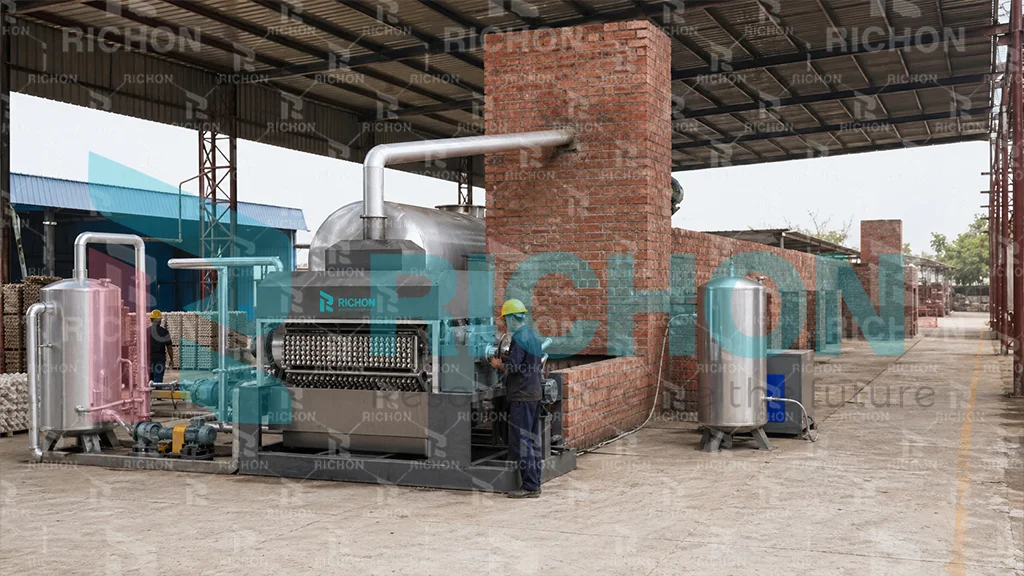
This project should be understood as a complete factory solution rather than a single machine purchase. The line includes pulping, molding, drying, and finished product handling sections, all designed to work as one coordinated system.
1. Pulping Section
Waste paper is prepared and converted into pulp for continuous supply to the forming system. Stable pulp preparation helps maintain forming consistency.
2. Forming Section
The REM5-8 reference configuration matches a 5000–5500 pcs/h production range and is suitable for medium-to-large commercial egg tray projects.
3. Brick Drying Section
The drying section should be connected in a way that supports smooth tray transfer and stable moisture reduction throughout daily production.
4. Packing & Output
Finished trays should be staged in a logical output area so packing, stacking, and internal movement remain efficient and manageable.
Typical Factory Layout Logic
A 5000 pcs/h India egg tray project with brick drying system needs a factory layout that supports material flow, tray transfer, operator movement, and finished product staging. The layout should reduce unnecessary handling and keep each section connected in a practical sequence.
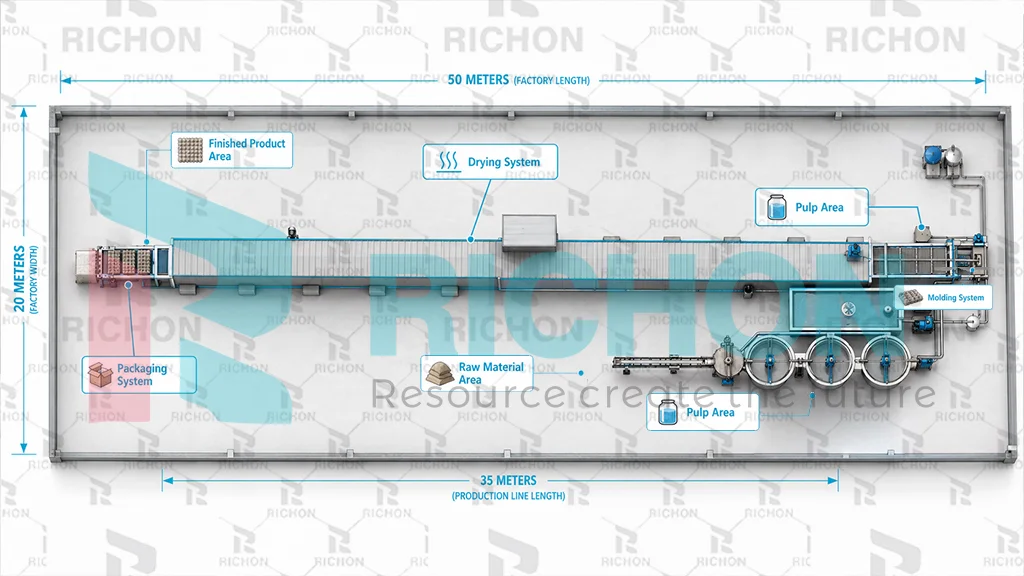
- Raw Material Area: Waste paper receiving and feeding should be close to the pulping section.
- Pulp Area: Pulp pools and related circulation should support continuous supply to the forming machine.
- Molding System: The forming section should connect directly with the drying route.
- Drying System: Brick dryer position should fit tray transfer flow and building conditions.
- Packaging System: Output handling should be arranged to avoid congestion near the main line.
- Finish Product Area: Final tray storage should be easy to access for packing and dispatch.
Raw Material and Pulping Planning
Stable production starts from raw material preparation. For a 5000 pcs/h egg tray factory, waste paper quality, pulping continuity, and pulp condition adjustment are all important for forming stability and final tray quality.
- Waste paper should be evaluated based on local supply stability and fiber suitability.
- Pulp concentration should not be treated as a fixed number because different waste paper sources behave differently in production.
- In practical projects, pulp condition is normally adjusted during installation and commissioning to reach a suitable forming state.
- Where additives or pigments are required, they should be used according to actual product requirements rather than assumed as a standard configuration.
- Continuous pulping and overflow return logic help keep the forming section supplied more steadily during operation.
Investment & ROI Snapshot
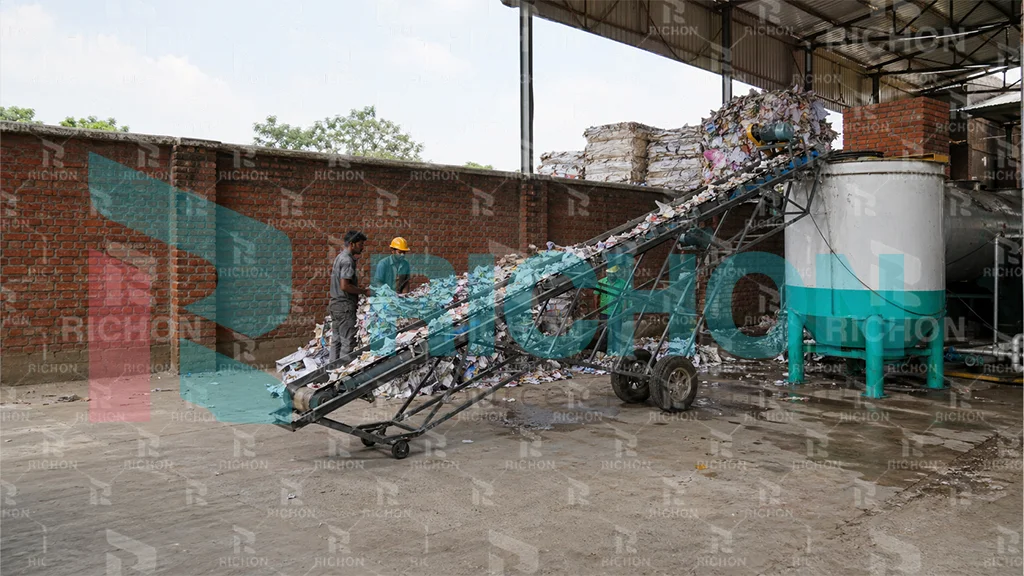
For this India project, ROI should be understood as a decision-support reference rather than a fixed commitment. Actual return depends on local waste paper cost, fuel route, labor structure, workshop condition, and final selling price of egg trays.
Reference Configuration
REM5-8 is used as the main model reference for this project, supporting a capacity range of 5000–5500 pcs/h with a brick drying structure.
Main Cost Drivers
Waste paper, fuel, electricity, labor, transport, installation, and workshop conditions all affect project investment and operating economics.
ROI Evaluation Logic
A useful ROI sheet should be based on local price assumptions and operating conditions, not only on generic industry averages.
Engineering Notes from Richon Team
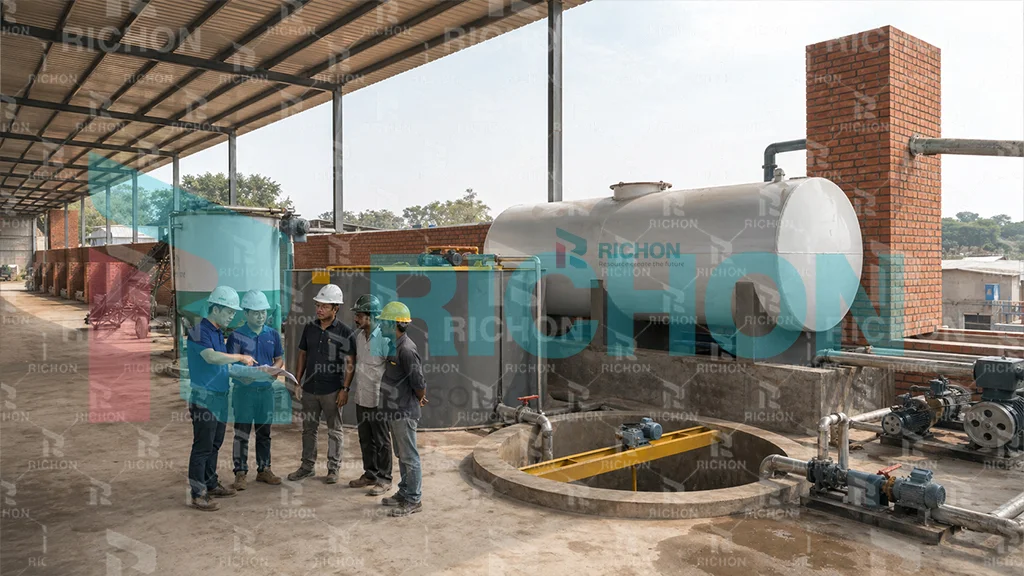
In actual project implementation, the success of a 5000 pcs/h brick dryer line depends on system matching, installation quality, and production commissioning. Below are the most important engineering points we emphasize during project planning.
Line Balance Comes First
Stable output depends on how pulping, forming, drying, and product handling work together. This is why project planning should focus on full line balance instead of isolated equipment.
Pulp Condition Must Be Adjusted On Site
Different raw materials require different operating adjustments. During commissioning, the engineering team helps tune pulp condition and forming stability to reach a workable production state.
Installation & Training Matter
Project implementation is not only about equipment delivery. Installation guidance, operator training, and production startup support are important parts of a successful egg tray factory project.
Related Equipment Pages and Planning Guides
If you are comparing different equipment options, drying methods, or factory planning routes, the following pages can help you continue your evaluation more efficiently.
Need an India 5000 pcs/h Egg Tray Factory Proposal?
Tell us your raw material type, preferred fuel, working hours, factory size, and target output. Our engineers can help you evaluate the suitable REM5-8 configuration, brick drying system logic, and a more detailed ROI reference based on your project conditions.
- Project configuration recommendation
- Brick drying system matching advice
- Factory layout planning support
- Detailed ROI sheet based on local conditions