


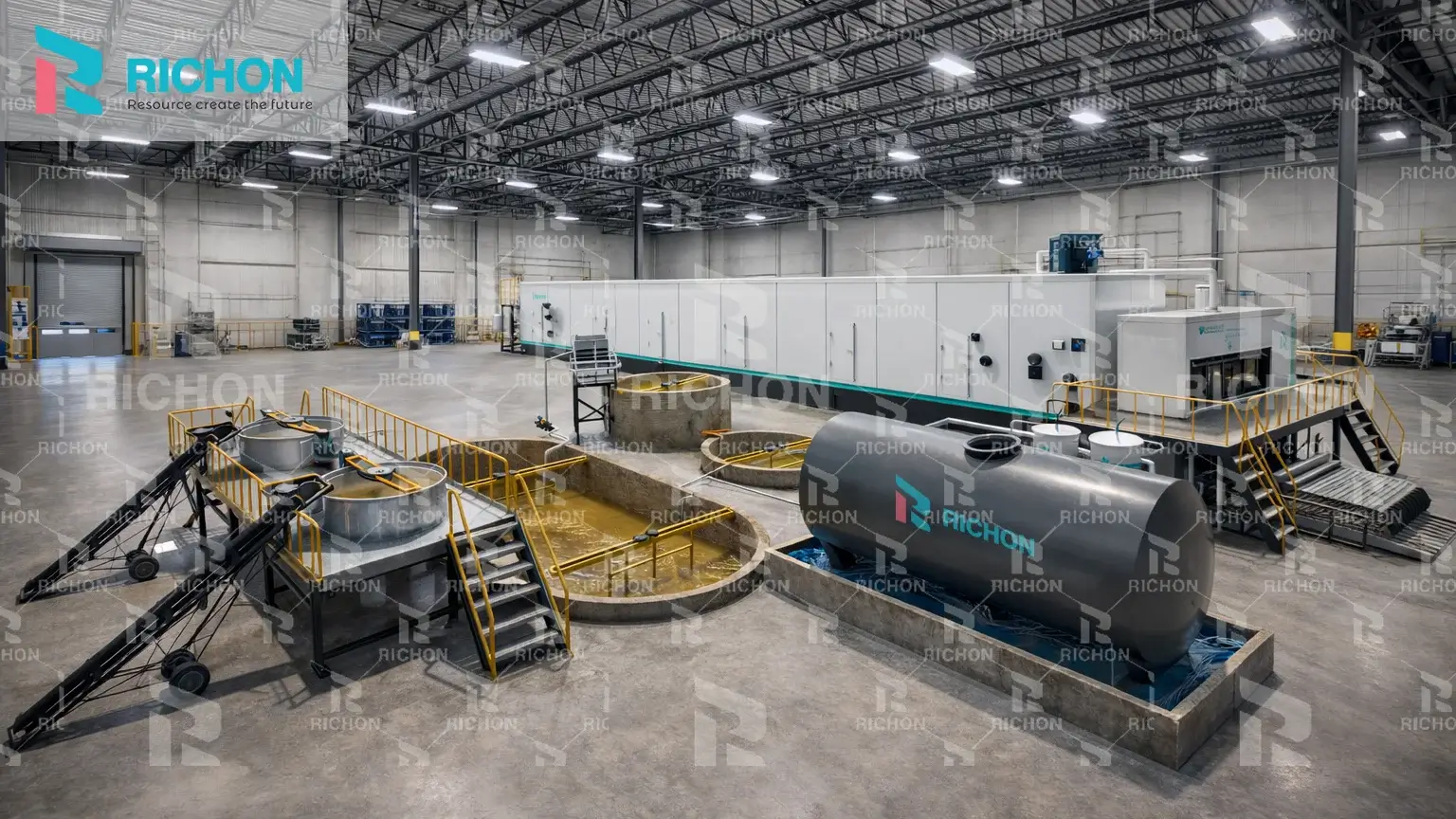
What Is an Egg Tray Production Line?
An egg tray production line is a complete molded pulp manufacturing system used to turn waste paper into protective paper trays for egg packaging and transportation. It is not a single machine, but an integrated process line that includes pulping, pulp supply, vacuum forming, drying, stacking, and optional packing automation. The core forming section is usually built around a dedicated egg tray machine matched to the required output and product structure.
Integrated Production Flow
From waste paper feeding to finished tray stacking, each section works together as one coordinated production system.
Flexible Configuration
The line can be configured according to target output, drying method, labor conditions, and factory layout requirements.
Common Applications
Suitable for poultry farms, packaging factories, molded pulp manufacturers, and recycled paper product investors.
Scalable Capacity
Production lines are available from entry-level setups to fully automatic industrial systems with large output capacity.
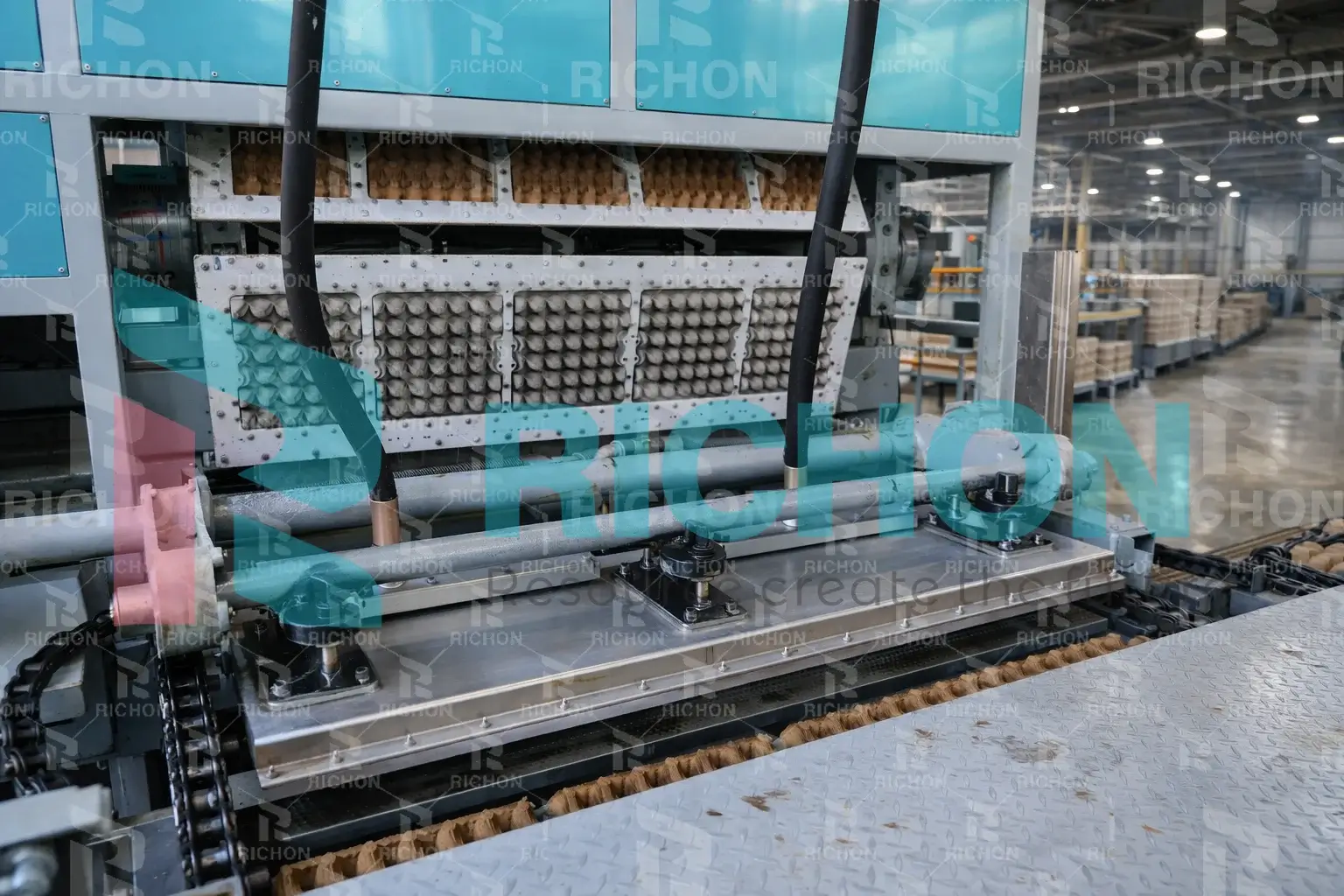
How an Egg Tray Production Line Works
The egg tray production process follows a continuous sequence from fiber preparation to final product stacking. Stable coordination between pulping, forming, drying, and transfer sections is essential for consistent tray quality and efficient factory operation.
Waste Paper Pulping
Recycled paper such as newspapers, cartons, and office waste is mixed with water and processed into fiber slurry in the pulping system.
Pulp Adjustment & Supply
The pulp concentration is adjusted and continuously supplied to the forming machine to maintain stable molding quality and product consistency.
Vacuum Forming
Vacuum suction molds shape the pulp into wet egg trays. The forming machine controls tray structure, thickness, and output rhythm.
Drying & Moisture Removal
The wet trays are dried by natural drying, brick dryer, or metal drying line depending on climate, investment level, and production scale.
Stacking & Packing
After drying, the finished egg trays are stacked, counted, and prepared for packing, storage, and transportation.
To understand each section in more detail, you can explore the egg tray machine, the egg tray dryer system, and the full egg tray production line configuration.
Main Equipment in an Egg Tray Production Line
A complete egg tray production line includes several functional systems. Each section affects output stability, labor demand, product quality, and overall project investment.
Pulping System
The pulping system breaks down waste paper into uniform fiber slurry and prepares the raw material for stable forming performance.
Pulp Supply System
This section stores, mixes, and transfers pulp to the forming machine while maintaining suitable consistency for continuous production.
Egg Tray Forming Machine
The forming machine uses molds and vacuum suction to shape wet pulp into egg trays with the required structure and production speed.
Transfer and Conveying Section
Wet trays are transferred from forming to drying with controlled movement to reduce deformation and support line continuity.
Drying System
The drying system removes moisture and directly affects energy consumption, plant layout, automation level, and finished product quality.
Automatic Stacker & Control System
Stacking and control sections improve labor efficiency, organize finished products, and help coordinate the entire production rhythm.
Drying Options for Different Production Conditions
Drying method selection has a major influence on project investment, land use, labor arrangement, and daily production stability. The right choice depends on climate, capacity target, automation goals, and local fuel conditions. For buyers comparing technologies, both the egg tray dryer system and a dedicated drying system comparison page can help clarify the best solution.
| Comparison Item | Natural Drying | Brick Drying Line | Metal Dryer System |
|---|---|---|---|
| Initial Investment | Lowest | Medium | Higher |
| Automation Level | Low | Medium | High |
| Climate Dependence | High | Low | Low |
| Land Requirement | Large | Medium to Large | More Compact |
| Production Suitability | Small projects | Medium and growing factories | Large and automatic production lines |
| Operation Stability | Affected by weather | Stable with proper fuel control | Highly stable for continuous operation |
Production Capacity Range
Egg tray production lines can be configured at different output levels according to market demand, factory investment plan, drying method, and labor strategy.
1000–1500 pcs/hour
Suitable for startup investors, local supply projects, and small-scale production planning.
- Lower entry investment
- Flexible factory setup
- Often paired with natural or basic drying
2000–3000 pcs/hour
Suitable for medium-scale factories seeking more stable commercial output and stronger market supply capability.
- Balanced investment and output
- Common choice for growing factories
- Suitable for brick or metal drying systems
4000–7000+ pcs/hour
Suitable for highly automated industrial production with larger daily output and lower labor dependence.
- Higher automation potential
- Better fit for continuous production
- Typically combined with metal drying lines
Capacity selection should be evaluated together with dryer type, labor planning, and total project budget. For a broader review of setup cost, see our cost and investment analysis.
Raw Materials and Final Products
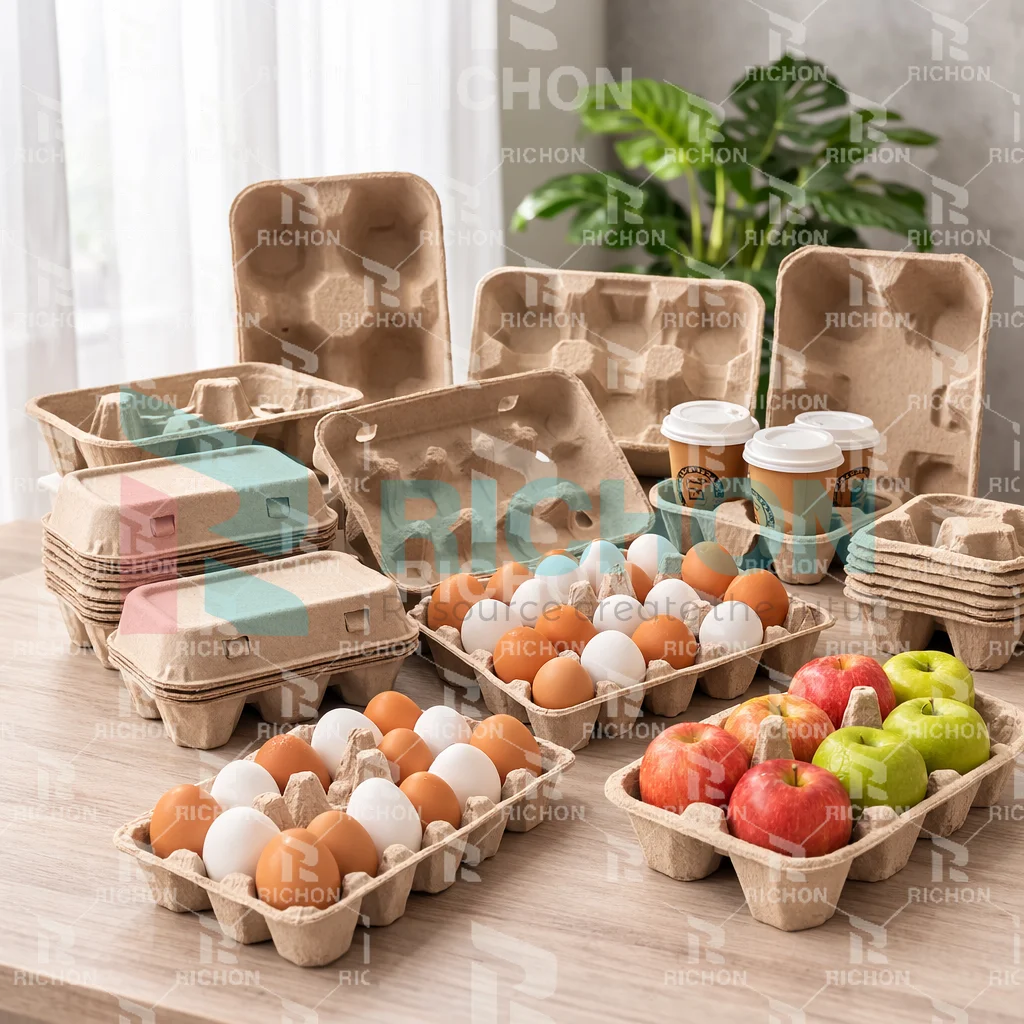
A complete egg tray production line mainly uses recycled paper as raw material. By changing molds and product design, the same molded pulp production platform can manufacture a variety of paper packaging products beyond standard egg trays. See more about mold technology and product customization options.
Common Raw Materials
- Old newspapers
- Waste cartons
- Office paper scraps
- Mixed recyclable paper fiber
Typical Final Products
- 30-cell egg trays
- Egg cartons
- Fruit trays
- Cup carriers
Factory Layout and Utility Planning
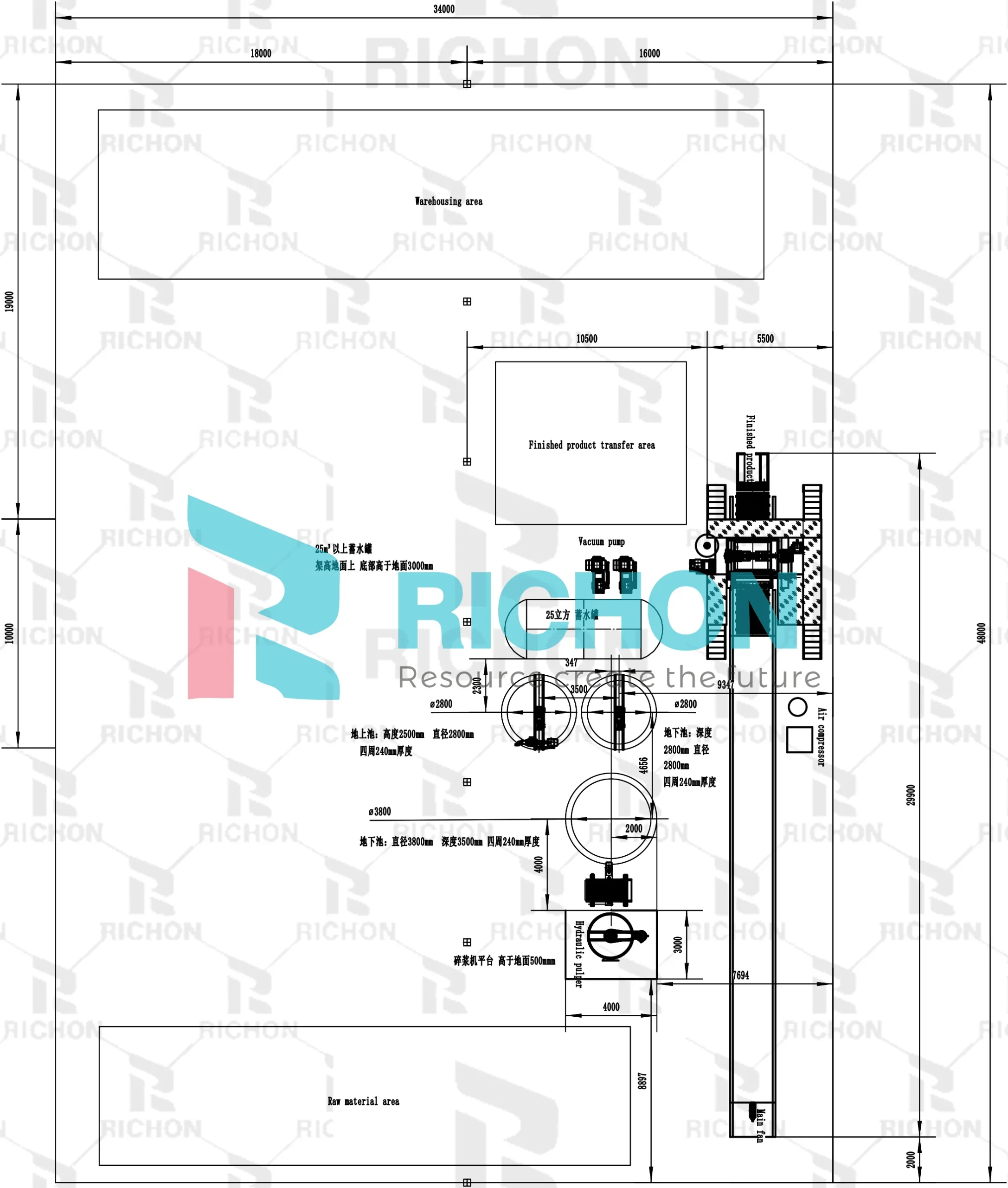
Factory layout should be matched with line capacity, drying method, transfer route, and future automation plan. Good layout planning improves material flow, reduces unnecessary labor movement, and supports long-term production stability for an egg tray production line project.
Workshop Space
Required space changes with output capacity, dryer type, raw material handling area, and finished product storage planning.
Utility Conditions
Water supply, electricity, vacuum, compressed air, and fuel conditions should be evaluated early in the project stage.
Material Flow
The transfer route from pulping to forming, drying, and stacking should minimize manual handling and improve efficiency.
Future Expansion
Planning extra space for drying upgrades or automation expansion can reduce later reconstruction cost.
How to Choose the Right Egg Tray Production Line Configuration
The best production line configuration depends on your target market, daily output expectation, local energy conditions, labor cost, and factory construction plan. A suitable configuration should balance investment, output stability, and future expansion potential.
Target Capacity
Start by defining how many egg trays you plan to produce per hour or per day, then match the forming and drying sections accordingly.
Product Type
Different tray sizes, cartons, or molded pulp packaging products may require different mold configurations and output planning.
Drying Method
Drying selection affects land requirement, investment level, fuel consumption, labor arrangement, and seasonal operating stability.
Factory Conditions
Available workshop size, local climate, utility connection conditions, and logistics path all influence line design.
Automation Target
If labor reduction and stable continuous output are priorities, a more automatic line layout should be considered early.
Budget & Expansion Plan
Your initial budget should be evaluated together with future capacity growth so the line can scale without repeated redesign.
In most projects, equipment selection starts from the complete egg tray production line, then moves into detailed evaluation of the egg tray machine, drying solution, and investment plan.
Frequently Asked Questions
These are some of the most common questions buyers ask when evaluating a complete egg tray production line project.
What is included in an egg tray production line?
A complete egg tray production line usually includes the pulping system, pulp supply system, forming machine, transfer section, drying system, stacking section, and electrical control system.
How many egg trays can be produced per hour?
Production capacity depends on the machine configuration and drying solution. Different lines can be configured for small, medium, or large industrial output levels.
What raw materials can be used?
Most egg tray production lines use waste paper such as newspapers, cartons, office paper scraps, and other recyclable paper fiber materials.
Which drying method is best for egg tray production?
The best drying method depends on your climate, target output, investment level, land condition, and desired automation level. Natural drying, brick drying, and metal drying all fit different project needs.
How much factory space is required?
Factory space depends on capacity, product type, drying system, raw material storage, and finished product logistics. A full layout evaluation is recommended before final equipment selection.
Need the Right Egg Tray Production Line for Your Factory?
Tell us your target capacity, product type, factory condition, and preferred drying method. Richon can recommend a suitable production line configuration based on your project requirements.