


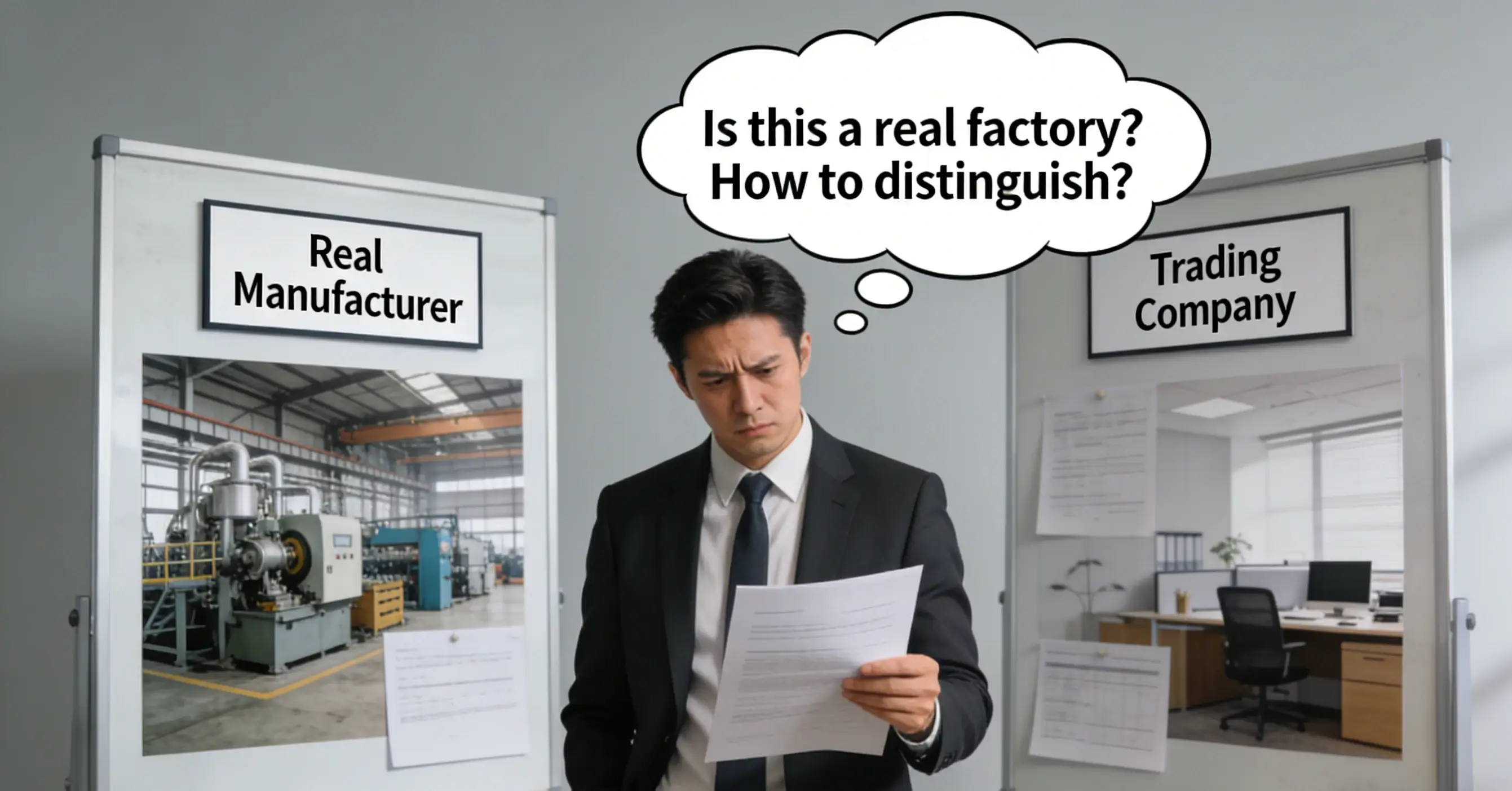
Factory or Trading Company?
How to Identify the Real Manufacturer of Egg Tray Machines
When sourcing an egg tray machine or planning an Egg Tray Production Line for the first time, many buyers face the same challenge:
Almost every supplier claims to be a “manufacturer” or “factory” — but in reality, not all of them actually produce the machines they sell.
Understanding whether you are dealing with a real egg tray machine factory or a trading company can make a significant difference in machine quality, pricing transparency, delivery time, and long-term technical support.
This guide shares practical, experience-based ways to identify a genuine egg tray machine manufacturer before you place an order, ensuring your Egg Tray Production Line operates efficiently and reliably. Learn more about our factory capabilities for detailed production insights.
Why the Difference Matters More Than You Think
Working with a real factory does not automatically mean “cheaper,” and working with a trading company is not always “bad.”
However, knowing who you are actually working with helps you:
- Avoid hidden markups
- Reduce communication errors
- Get accurate technical answers
- Secure stable after-sales support and spare parts
- Ensure long-term mold compatibility and upgrades
For equipment like egg tray machines — which involve forming, molds, vacuum systems, and drying — this distinction is especially important.
1. Can They Show a Real Production Workshop?
What a Real Egg Tray Machine Factory Can Provide
A genuine manufacturer should be able to clearly show:
- Machine frame fabrication or machining areas
- Mold manufacturing or assembly workshops
- Equipment assembly and testing zones
- Finished machines ready for shipment
Video calls, real-time factory tours, or recent workshop videos are usually not a problem for real factories.
Common Signs of a Trading Company
- Only polished product photos or catalogs
- Repeated use of stock images
- Refusal or hesitation to show live factory footage
👉 Tip: Ask for a short live video walkthrough instead of photos. It’s one of the fastest ways to verify manufacturing capability.
2.Do They Explain Technical Details — or Only Quote Prices?
A key difference appears once technical questions begin.
Real Manufacturers Usually Can Explain:
- Forming methods and vacuum system design
- Mold material options and lifespan
- Capacity calculations (trays/hour based on mold layout)
- Drying solutions suitable for different climates
Their answers are usually specific, structured, and consistent.
Trading Companies Often:
- Focus heavily on price comparisons
- Provide vague or copied technical explanations
- Need extra time to “confirm with the factory”
If a supplier struggles to explain how the machine actually works, they are likely not the one who built it.
3.Can the Machine and Molds Be Customized?
Egg tray production is rarely one-size-fits-all.
A Real Factory Can Typically:
- Customize mold sizes and cavity layouts
- Adjust machine capacity based on output targets
- Modify production lines for different tray designs
- Provide layout suggestions based on your workshop space
Trading Companies Often:
- Fixed “standard models only”
- Limited mold options
- Minimal flexibility once the quotation is issued
Customization capability usually reflects direct control over production, which is a strong factory indicator.
4.How Clear Are Delivery Time and After-Sales Support?
This point becomes critical after the machine arrives.
Questions Worth Asking:
- Who provides installation guidance — factory engineers or third parties?
- Are spare parts standardized and available long-term?
- Can the supplier support mold replacement years later?
- Is technical support direct or relayed through intermediaries?
A real manufacturer typically has clear answers and documented processes, while trading companies may rely heavily on external coordination.
5.A Subtle but Powerful Sign: Are They Willing to Say “No”?
Experienced manufacturers sometimes advise customers not to choose a certain model or configuration if it doesn’t match the real production conditions.
This honesty often shows up when a supplier:
- Explains why the lowest-price option may not be suitable
- Recommends capacity adjustments based on labor or drying limits
- Points out risks before you ask
This behavior usually comes from hands-on manufacturing experience, not sales-only operations.
Final Thoughts: Focus on Transparency, Not Labels
The goal is not to avoid trading companies entirely — many play a useful role in global sourcing.
What matters is clarity:
- Who designs the machine?
- Who manufactures the molds?
- Who provides technical responsibility after delivery?
Once you understand these points, you can make safer, more informed purchasing decisions.
Need a Capacity Recommendation for Your Market?
Share your target output, local humidity/energy conditions, and tray type. Our engineers will suggest a suitable 3,000–8,000 pcs/h configuration and drying solution.
- Factory layout & utilities checklist
- Drying bottleneck evaluation
- Cost & ROI estimation reference
