 English

Egg Tray Machine Price Guide: Market Levels and Project Scope
If you are planning an egg tray production business, the first question is straightforward: how much will the equipment cost, and how much money is needed to put the factory into operation?
The answer depends on capacity, automation, drying and the supply list. A forming machine, a complete equipment line and a working factory are three different purchase scopes. Compare them separately before setting a budget.
This guide brings together indicative equipment prices, South Africa project considerations, plant setup costs, operating expenses and a method for checking profitability. It explains which costs belong in the equipment quotation and which need local estimates.
What Is the Price Range for an Egg Tray Machine?
The ranges below are indicative Richon equipment references in US dollars. They help establish the scale of an enquiry; they are not a statistical market average or a delivered-factory quotation. The machine specification, equipment list and current commercial terms determine the actual offer.
| Capacity or configuration reference | Machine-only reference | Production-line reference |
|---|---|---|
| 1,000–3,000 pcs/hour | $3,000–$12,000 | $6,000–$65,000 |
| 3,000–6,000 pcs/hour | $6,000–$25,000 | $11,000–$65,000 |
| 6,000–10,000 pcs/hour | $28,000–$50,000 | $50,000–$80,000 |
| Fully automatic configuration | From $70,000 | $120,000–$1,000,000+ |
The capacity bands meet at 3,000 and 6,000 pcs/hour, and the automatic category can overlap them. These are broad reference groups, not four fixed equipment packages. A listed capacity does not identify the dryer, molds, handling system or scope of installation.
A line at the lower end of a range may leave more work to the buyer or use a different drying arrangement. A more expensive offer may include equipment and services missing from the lower figure. Ask for the itemized list before treating the difference as a saving.
Shipping, import charges, buildings, site utilities and working capital must be checked separately. The table cannot establish the total investment for a new factory. For a defined equipment package, use the machine price and quotation page.
Machine-Only Price vs Complete Production Line Cost
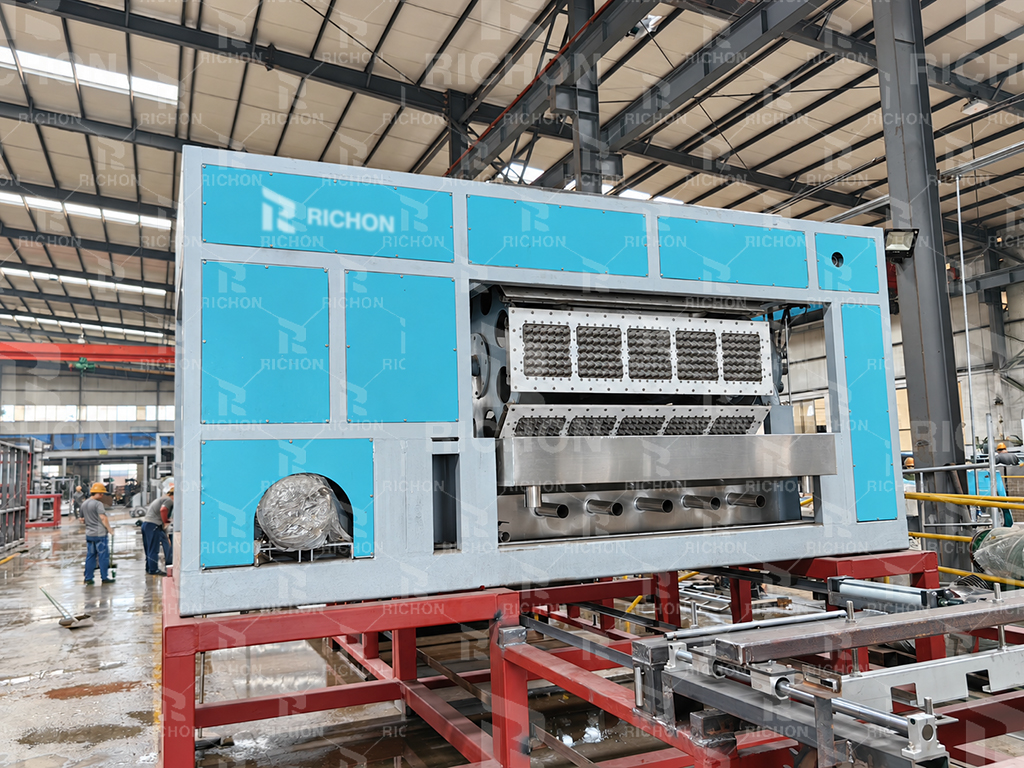
When two suppliers quote the same nominal trays per hour, they may still be quoting different work. One offer may stop at the forming machine. Another may include pulping, vacuum, air supply, molds, wet-tray transfer, drying and stacking. Output assumptions also depend on the tray specification and operating conditions.
| Quotation scope | What to check | Items often priced separately |
|---|---|---|
| Forming machine only | Forming unit, mold sets, controls and stated output conditions. | Pulp preparation, vacuum and compressed-air supply, dryer and downstream handling. |
| Complete equipment line | Equipment from pulping through forming, drying and stacking, with interfaces and installation responsibilities. | Civil works, utilities, shipping, duties and local labor unless named in the offer. |
| Factory project budget | Equipment plus site preparation, buildings, logistics, commissioning and initial operating funds. | Unquoted local work, owner-supplied services and cash needed before customer payments arrive. |
A complete line is not automatically a complete factory budget. Keep supplier-scope items and owner-scope items in separate columns. Assign each interface—foundations, power connection, fuel connection and equipment installation—to a named party so that it is neither omitted nor charged twice.
Egg Tray Making Machine Price in South Africa
The egg tray making machine price for a South Africa project depends on production capacity, drying method, automation, mold quantity and installation scope. The delivered project budget also depends on the site location, transport route, energy supply and local work.
Start with the intended tray and confirmed customer demand. Then compare the equipment quotation with estimates for freight, import handling, inland transport, workshop preparation and utilities. Keep the USD equipment offer and local-currency costs identifiable, and record the exchange-rate assumption used in the budget.
What changes the project budget?
- Capacity and sales: plan around the quantity customers can take and the hours the factory can actually run. A larger forming machine does not resolve a shortage of orders or dryer capacity.
- Drying conditions: check available land, seasonal weather, fuel supply and the required dispatch schedule. Country alone does not determine the right dryer.
- Power and utilities: obtain the site’s available electrical capacity and connection costs before confirming the layout. Include any required upgrade as a separate local item.
- Labor and handling: check who will prepare paper, handle wet trays, pack finished trays and maintain the equipment. Automation changes these tasks but does not remove every operator requirement.
- Logistics and service: define unloading, local transport, accommodation, installation support, training and spare-parts delivery in the relevant quotations.
Configuration direction by project need
| Project situation | Configuration to investigate | Decision to settle first |
|---|---|---|
| A farm or new local supplier | A smaller forming line with a drying and handling arrangement suited to the site. | Reliable demand, usable drying space, labor and the effect of seasonal interruptions. |
| A commercial tray factory | A matched pulping, forming, drying and packing line. | Saleable daily output, fuel and power availability, delivery commitments and maintenance access. |
| Expansion of an existing factory | Additional capacity where the measured bottleneck occurs. | Whether the existing pulping system, dryer, utilities and dispatch area can support the expansion. |
These are planning directions, not prescribed capacities for South Africa. Richon needs the tray specification, demand, operating schedule and site conditions before recommending a model.
Use the drying-system cost guide to list equipment and energy items, and the factory layout guide to check how production, storage and access fit the site.
What Determines Egg Tray Machine Cost?
Four decisions account for much of the difference between equipment configurations: production capacity, drying, automation and molds. Review them together. Changing one section can require changes elsewhere in the line.
1. Production capacity
Higher target output can require a different forming arrangement, more mold positions, and greater pulp, vacuum and drying capacity. The relevant specification is the output of acceptable finished trays under agreed conditions, not the fastest forming cycle on its own.
A smaller-volume project should check labor availability, drying space and operating days. A continuous production project needs particular attention to transfer, dryer throughput, finished-tray handling and access for maintenance. An oversized former cannot make the line deliver more trays when drying is the bottleneck.
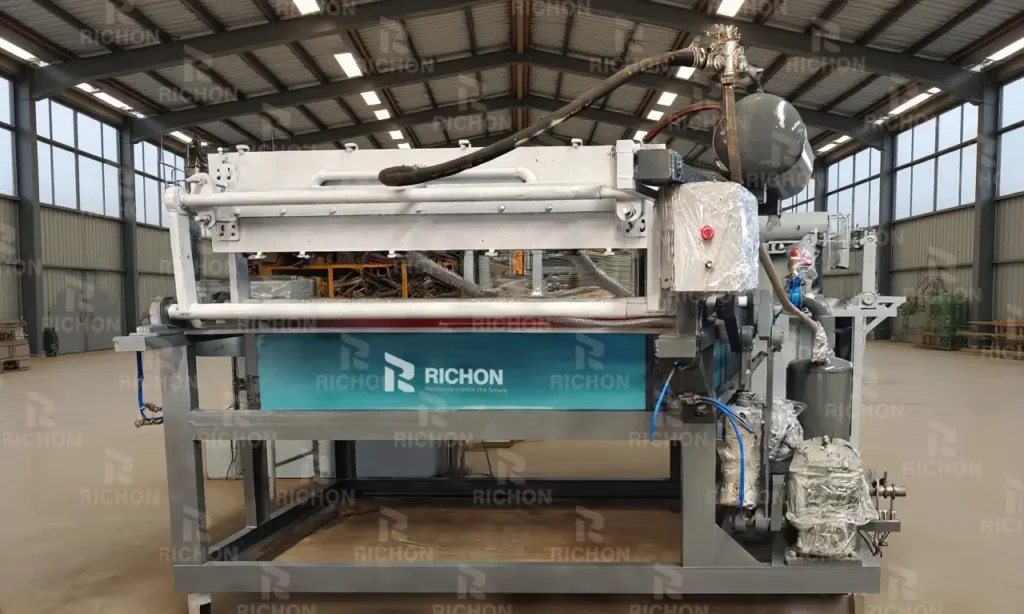


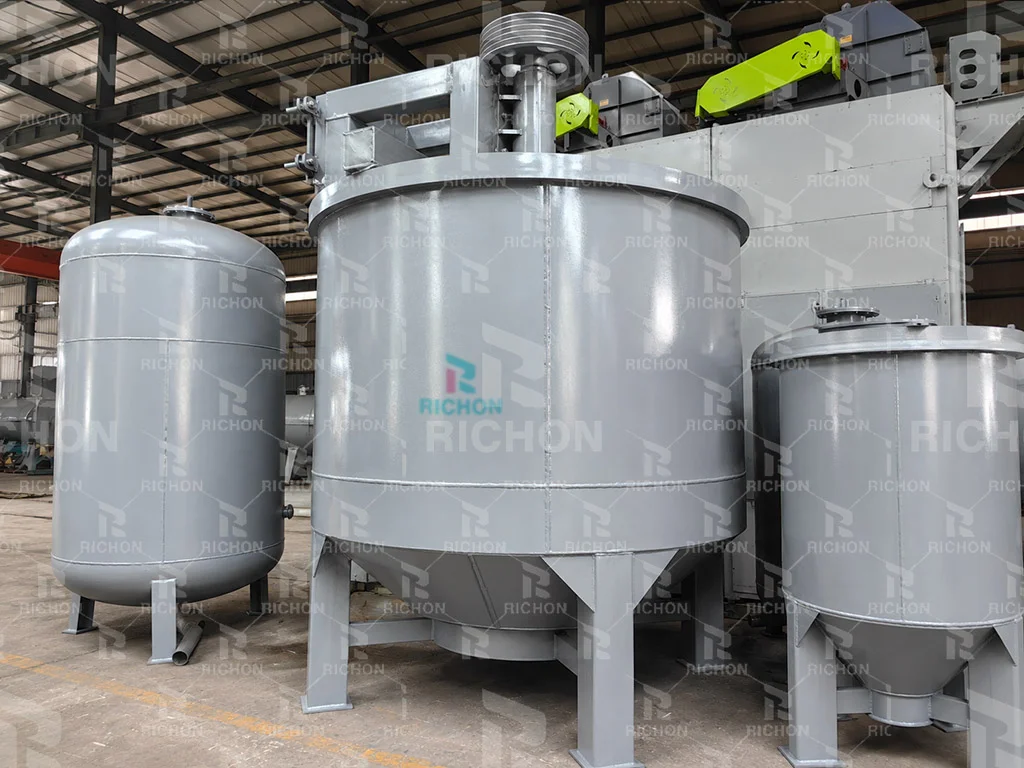
The photographs illustrate configurations. They do not establish the supply list or guaranteed output for a quotation.
2. Drying system type
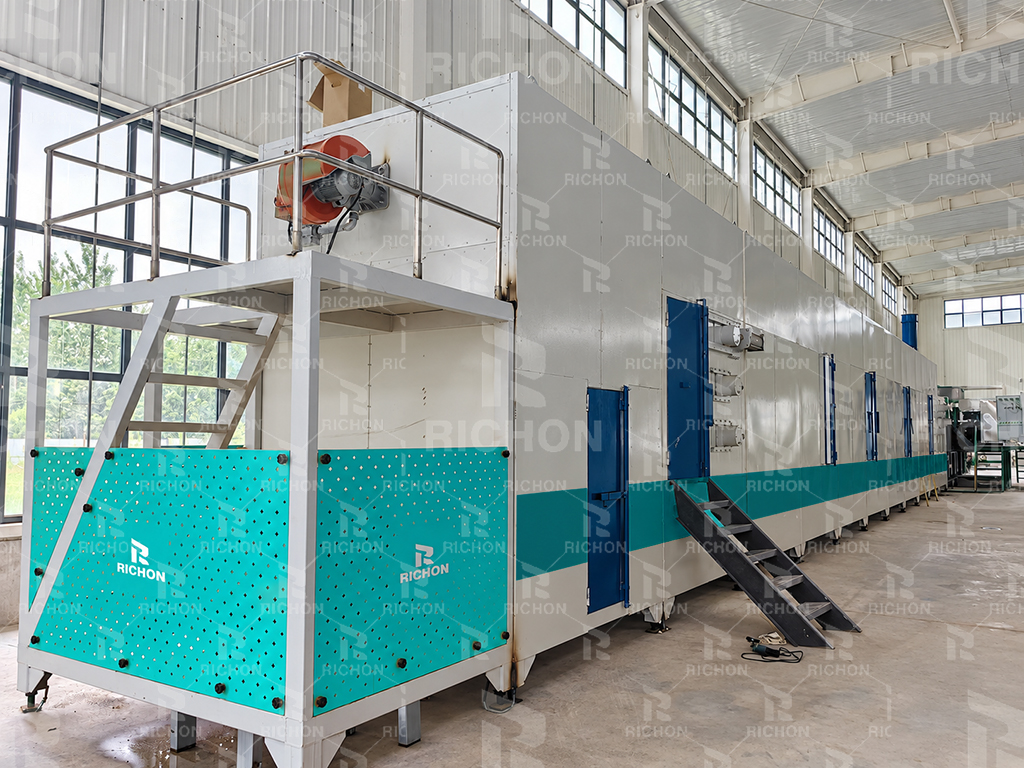
Drying affects both the initial investment and day-to-day operation. Compare the equipment package, local construction, heat supply, tray handling and space required for each option.
| Drying option | Costs to include | Operating conditions to check |
|---|---|---|
| Natural drying | Drying area, racks or supports, tray movement and weather protection as required. | Seasonal drying time, available space, handling labor and delivery commitments. |
| Brick dryer | Dryer equipment, local construction, insulation, heat source, controls and installation. | Construction quality, fuel availability, maintenance access and matching the forming rate. |
| Metal dryer | Dryer body, conveying system, heat equipment, controls, foundations and connections. | Site layout, selected heat source, maintenance and the required product specification. |
| Multi-layer arrangement | Specified conveying, loading, heat-distribution and control arrangements. | Usable building height, access, tray handling and the approved drying design. |
Natural drying can reduce purchased dryer equipment, but land and handling still have a cost. A mechanically dried line requires a separate assessment of capital cost, fuel use and maintenance. There is no fixed price difference that applies to every installation. See the brick and metal dryer comparison for the detailed choice.
3. Automation level
Compare the actual tasks included in the offer: forming control, wet-tray transfer, dryer loading, unloading, counting, stacking and packing. The word “automatic” does not confirm that every one of these tasks is included.
Automation can change labor requirements and handling consistency. Assess that change with a task-by-task staffing plan, local wages, expected operating hours and maintenance support. It is not a basis for a universal labor-saving percentage or a guaranteed payback period.
4. Mold quality, material and quantity
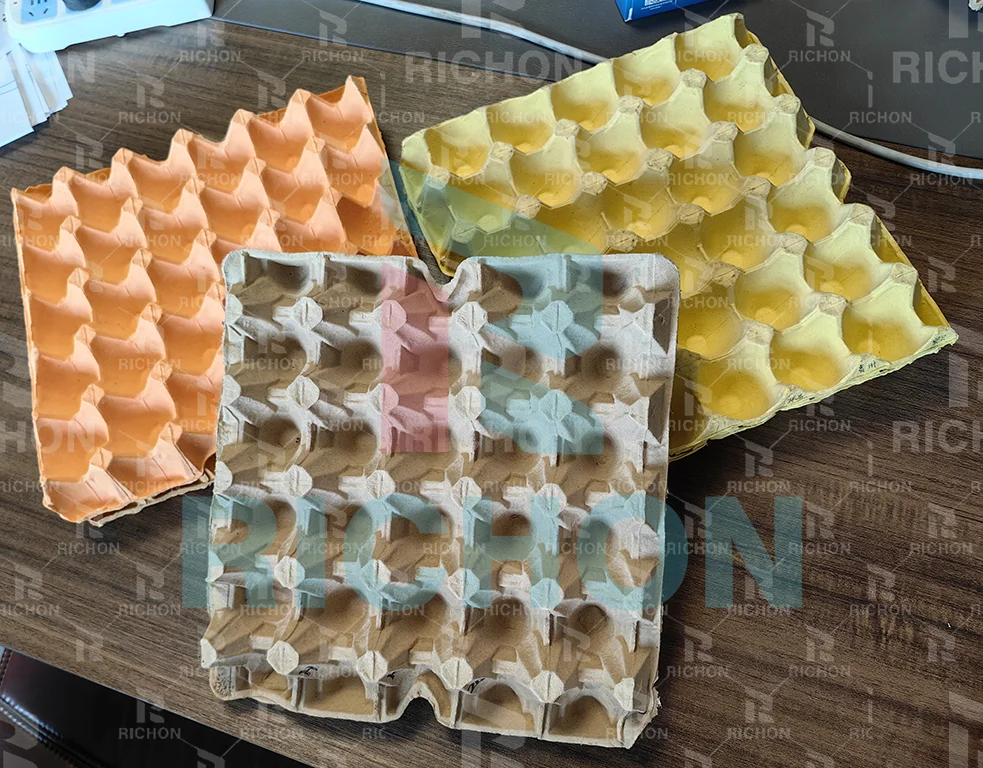
The quotation should state the product drawing, mold material, cavity arrangement, number of sets and any accessories or replacement screens supplied. Another tray shape may require more than a different mold: confirm forming, transfer, drying and handling compatibility.
Compare molds against the required product dimensions, drainage, finish and maintenance needs. Material names alone do not establish service life or finished-tray quality. Keep additional sets and future product changes visible in the budget.
For a closer look at how these decisions change the supply list, read the seven engineering cost factors.
Total Egg Tray Plant Setup Cost
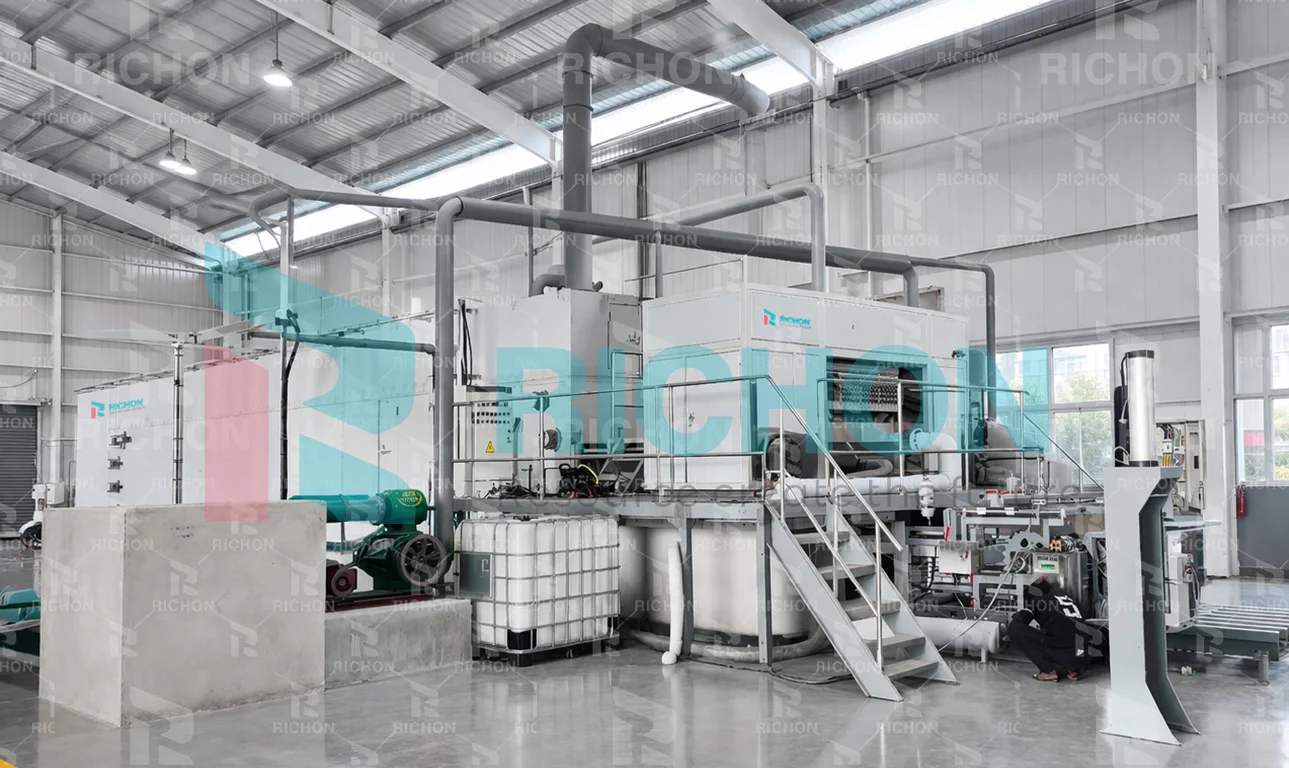
Buying the machine is only part of the investment. A useful startup budget follows the project from equipment purchase through installation and the first customer payments. Separate one-time purchases from recurring expenses, and identify who will provide each estimate.
| Budget item | Include in the estimate | Evidence to obtain |
|---|---|---|
| Equipment package | Pulping, forming, molds, utilities equipment, drying, handling, controls and agreed spares. | Itemized supplier quotation and equipment list. |
| Workshop and civil works | Building preparation, equipment foundations, drainage, access and storage. | Layout, site survey and local contractor estimate. |
| Utility connections | Electrical distribution, water supply, fuel provision and connections within the agreed scope. | Equipment requirements and local connection quotations. |
| Transport and import | Freight, insurance where applicable, import charges, unloading and inland delivery. | Shipment dimensions, agreed trade terms and current logistics estimates. |
| Installation and startup | Agreed installation service, local assistance, travel, lifting equipment and training. | Written division of responsibilities and site-readiness checklist. |
| Initial operating funds | Paper stock, packaging, wages, energy and other cash needs before sales receipts cover them. | Purchasing plan, production schedule and customer payment terms. |
| Project contingency | An allowance for identified uncertainties, separate from firm quotations. | Risk list covering unconfirmed site work, logistics and startup needs. |
Example: planning a 1,000 pcs/hour project
Start with the selected tray and a proposed equipment configuration. Obtain separate figures for the forming and pulping package, chosen drying arrangement, workshop work, transport and installation. Add the initial operating funds needed for the planned startup schedule. Do not assume that the price of a 1,000 pcs/hour forming machine covers the rest of the project.
Workshop area and operator count must come from the layout and task plan. Storage, natural-drying space, access lanes and finished-product dispatch can change the site requirement substantially. A fixed area or staffing figure should not be applied before those items are known.
Total initial funding = equipment + site and utility works + logistics and import costs + installation and startup + initial working capital + contingency.
Check the scope behind each subtotal to avoid counting an included item twice. Record whether local quotations include applicable taxes and which exchange rate was used.
The cost and investment analysis can support this worksheet once the equipment scope and local estimates are available.
How to Estimate Operating Cost per Egg Tray
Equipment investment and production cost answer different questions. Investment tells you what is needed to start. Operating cost shows what each batch must earn to keep the factory running.
Build the estimate around acceptable finished trays. Wet trays formed, dry trays made and trays sold are different quantities. Using the largest of these as the denominator can make unit cost appear lower than it really is.
| Cost input | What to record |
|---|---|
| Waste paper and other consumables | Delivered purchase cost, usable material, tray weight and material losses for the selected product. |
| Electricity and drying energy | Energy used over a representative production period and the applicable tariff or delivered fuel cost. |
| Water | Freshwater makeup and any treatment or disposal costs that apply at the site. |
| Labor | Paid time for preparation, production, handling, packing, cleaning and maintenance. |
| Maintenance and wear parts | Routine service, replacement screens and other consumables; allow for downtime separately. |
| Packing and delivery | Packaging and outbound transport where the seller bears these costs. |
| Factory overhead | Rent, administration and other relevant fixed costs allocated on a consistent basis. |
Divide the relevant production costs by good finished output for the same period. Keep the selling price on the same basis: ex-factory or delivered, consistent tray specification, and consistent tax treatment.
For electricity, installed motor power is not the same as measured energy consumption. For drying, the selected heat system, wet-tray condition and operating schedule affect energy use. Confirm those inputs for the proposed configuration before assigning a cost per tray.
A lower machine purchase price can still lead to a higher unit cost if it increases handling, downtime or rejected output. The useful comparison is the equipment and operating plan together.
Is an Egg Tray Business Profitable?
A viable project needs customers at a workable selling price, reliable production and control of operating costs. Equipment capacity alone cannot establish profitability. Check sales volume and customer payment terms alongside the production plan.
Start with a realistic production quantity
For an arithmetic example, 1,000 trays/hour × 8 hours/day × 25 days gives 200,000 trays per month before allowing for stopped time and rejected trays. This is a calculation example, not a guaranteed output from a Richon machine.
Good monthly output = agreed forming rate × scheduled hours × operating days × running-time factor × good-tray yield.
Use observed or agreed inputs. If the starting rate is already a net rate of good finished trays, do not deduct the same downtime or rejects a second time. Check dryer and handling limits separately.
Calculate revenue and the costs it must cover
Sales revenue = trays actually sold × realized selling price per tray. Unsold production is inventory, not revenue, and an unpaid invoice is not cash received.
Calculate gross profit using a defined cost-of-goods-sold basis. Gross margin is gross profit divided by revenue; it is not the selling-price markup on cost. Labor, energy, materials and other production costs need consistent treatment before comparing margins.
For a simple operating break-even calculation with one tray product, divide fixed costs for the period by the selling price per tray minus the variable cost per tray. This requires a positive contribution per tray and consistent assumptions about cost behavior. A factory selling several products needs a sales-mix calculation.
Estimate payback from cash flow
Use the total initial investment and the project’s expected net cash inflows. A simple payback estimate divides investment by a stable positive annual net cash inflow; when startup output, sales or spending vary, track cumulative cash flow until the initial investment is recovered.
State how taxes, maintenance spending and working-capital changes are treated, and assess loan repayments separately in the funding plan. Simple payback does not measure every aspect of project value. A fixed six- or twelve-month result should not be assumed from a machine’s hourly rating.
Run a base case and a downside case using your actual local inputs. Test weaker sales, a lower selling price, more expensive fuel and reduced production time. The result shows which assumptions need stronger evidence before committing the budget.
How to Choose the Right Egg Tray Machine
Before making a purchase, confirm demand, review the site and compare a defined equipment package. A low headline price is useful only when the quoted machine can perform the required work with the supporting systems available.
- Confirm the product and demand. Obtain the tray sample or drawing, intended tray weight, customer requirements and expected sales volume.
- Set a production schedule. Translate demand into good daily output and available operating hours. Leave room in the plan for cleaning, maintenance and startup.
- Evaluate drying and the site. Review climate, land, fuel, electrical supply, storage and dispatch access against the proposed layout.
- Check the manufacturer’s work. Request relevant equipment videos, drawings and a clear explanation of the quoted configuration. Distinguish factory electrical checks from loaded production evidence and site commissioning.
- Agree the supply and service scope. Record molds, spares, installation responsibilities, training, acceptance criteria and service arrangements.
- Review the full budget. Combine the equipment quotation with local estimates and operating assumptions before calculating payback.
How to compare supplier quotations
Place the offers side by side using the same tray specification and required output. Ask each supplier to state the conditions used for the capacity estimate, the equipment supplied and the exclusions.
- Are pulping, vacuum, air supply, drying and stacking included?
- How many mold sets and which spare parts are supplied?
- Are the heat source, installation work and site connections specified?
- Which shipping term and destination are used, and which local charges remain outside the price?
- What drawings, checks, commissioning work and acceptance documentation are agreed?
A lower total with a missing dryer, mold set or installation item is not a like-for-like saving. Resolve differences in writing, then compare the revised totals.
See the egg tray production line solutions for system scope, and the mold technology guide when the product design or mold supply needs a closer review.
Frequently Asked Questions
Why do egg tray machine prices vary so much?
Capacity, drying, automation, molds and the supplied services differ. Two offers with the same nominal hourly output can contain different equipment. Compare the supply list and operating assumptions before comparing the totals.
What is the cheapest egg tray machine option?
A smaller or less automated equipment package may have a lower purchase price. If it relies on natural drying or manual handling, include the required land, labor, storage and seasonal constraints. The lowest equipment price does not necessarily produce the lowest cost per saleable tray.
How much does an egg tray machine cost in South Africa?
Use the equipment reference ranges as an initial enquiry guide, then obtain a configuration-based offer and local estimates for import, transport, utilities and site work. The country name alone does not define the machine specification or total delivered cost.
Which drying method is suitable for a South Africa project?
Check the site, seasonal weather, available fuel, labor and required delivery schedule. Natural, brick and metal drying arrangements each require a project-specific assessment. A country-wide capacity or dryer prescription is not a substitute for that assessment.
Does a complete-line quotation include the factory building?
Read the stated scope. Buildings, foundations and local infrastructure are separate unless explicitly included. The same check applies to electrical connections, fuel systems, unloading and local installation labor.
How long does installation take?
The schedule depends on equipment scope, site readiness, civil works, utilities, lifting access and the agreed commissioning work. Confirm it after the layout and responsibilities are settled; equipment arrival does not mean the site is ready for production.
Can one machine produce different tray types?
A mold change may allow another product, but confirm the forming and transfer arrangement, product depth, drying needs and downstream handling. Ask Richon to check the product drawing before including additional molds in the order.
How long does an egg tray machine last?
Service life depends on duty, maintenance, operating conditions and component replacement. Request the maintenance schedule, wear-parts list and support arrangements. A single lifespan figure is not a warranty for every installation.
Can two lines be compared using only trays per hour?
No. Confirm tray specification, drying and handling capacity, operating time and the basis of the stated output. Compare good finished trays under the same conditions.
Can Richon quote before all factory details are known?
An initial configuration can be discussed using the information available. A firm offer needs defined equipment scope and commercial terms. Keep unresolved site items visible and confirm them before the final specification is agreed.
Build the Project Budget Before Choosing the Lowest Price
Egg tray machine prices vary because equipment packages perform different amounts of work. Keep the forming-machine price, complete-line price and factory startup budget separate. Then compare production capacity, drying, local operating costs and the customer demand the factory will serve.
For a useful first discussion, send the tray sample or drawing, target output, planned operating hours, waste-paper source, factory dimensions, power and fuel conditions, destination and preferred installation support. Include any existing equipment that may be reused.
Richon can review the configuration, identify the equipment sections to quote and flag local items that need separate estimates. Use the commercial quotation checklist to prepare those details.
Review Your Project Scope Before Comparing Prices
Send your tray specification, target output, site location and available utilities. We will review the required line sections and flag the local costs that should be priced separately.
