


Egg Tray vs Plastic Tray: Cost, Sustainability & Profit Comparison (2026 Guide)
Introduction
In the packaging industry, egg trays are mainly produced using two materials:
👉 Molded pulp (paper egg trays)
👉 Plastic trays (PET / PVC)
Many investors assume plastic trays are more profitable due to higher selling prices—but is that really true?
👉 Before making a decision, you must understand cost structure, production system, and long-term market trends.
👉 If you’re new to the industry, start here:
👉 egg-tray-production-line-guide (Ultimate Guide)
Material Overview
Paper Egg Trays (Pulp Molding)
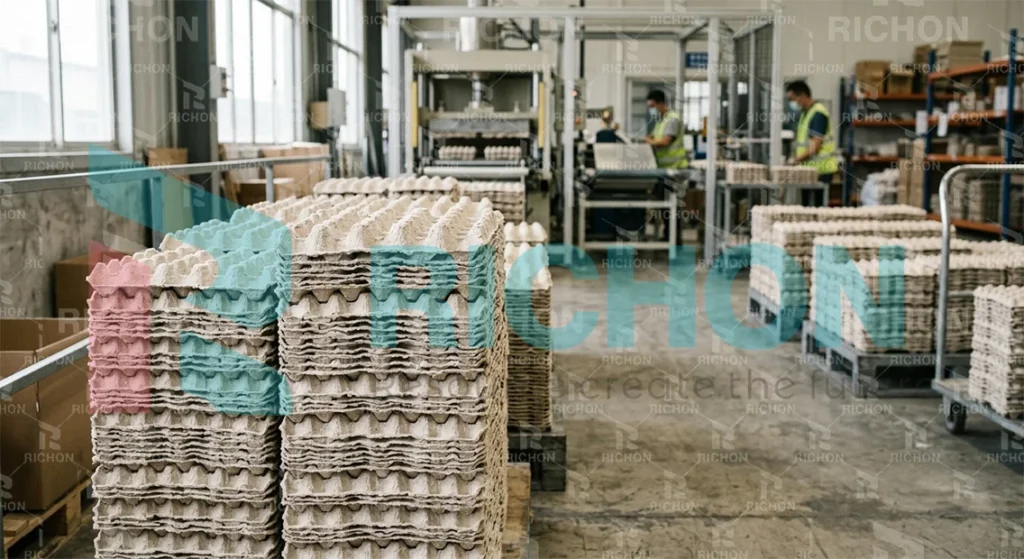
- Made from recycled waste paper
- Biodegradable
- Lower environmental impact
👉 Raw material details: egg-tray-raw-materials
Plastic Egg Trays
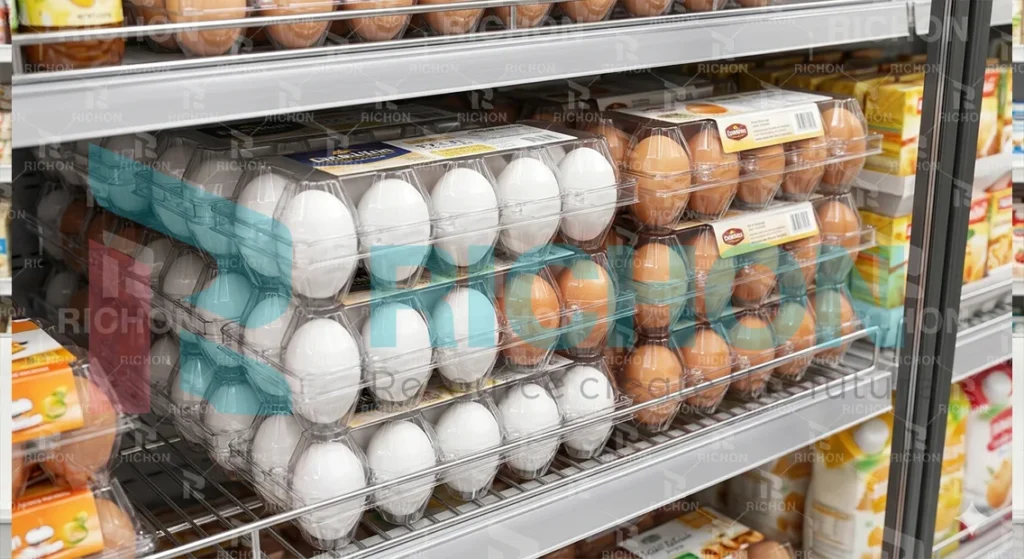
- Made from petroleum-based materials
- Higher transparency
- Strong retail appeal
Production Cost Comparison
Cost Comparison (Visual)
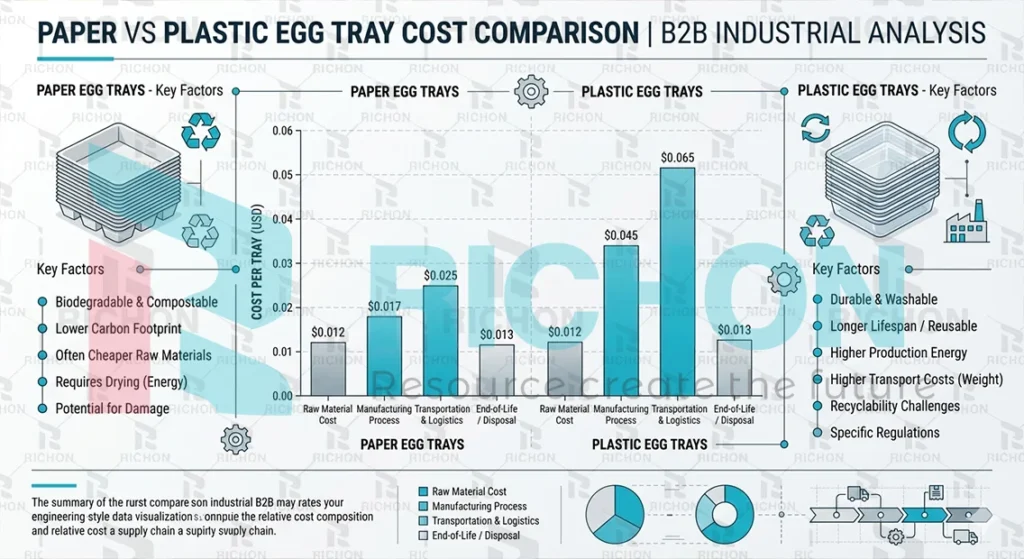
Paper Egg Tray Cost
👉 Includes:
- Raw materials
- Drying energy
- Electricity
- Labor
👉 Typical cost:
$0.018 – $0.025 per tray
👉 Full cost model: what-determines-the-real-production-cost-of-an-egg-tray-production-line
Plastic Tray Cost
👉 Includes:
- PET/PVC raw materials
- Heating energy
- Mold system
👉 Typical cost:
$0.025 – $0.04 per tray
Production Process Comparison
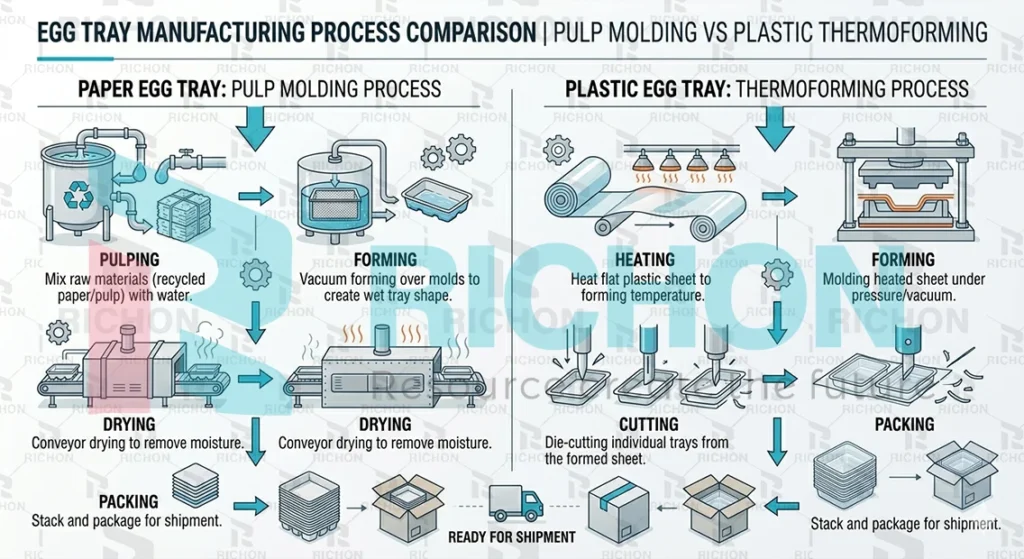
Paper Tray Process
- Pulping
- Forming
- Drying
- Packing
👉 Full process: egg-tray-production-process
Plastic Tray Process
- Heating
- Thermoforming
- Cutting
- Packing
👉 Key difference:
- Paper → drying energy dominant
- Plastic → heating energy dominant
👉 Energy details: how-much-electricity-does-an-egg-tray-machine-use
Drying vs Heating Energy Impact
👉 For paper trays:
- Drying = 60–80% total energy cost
👉 For plastic trays:
- Heating = major electricity consumption
👉 Detailed drying cost: egg-tray-drying-system-cost
Equipment Investment Comparison
| Type | Investment |
|---|---|
| Paper egg tray line | $50,000 – $150,000 |
| Plastic thermoforming line | $80,000 – $200,000 |
👉 Paper systems:
- Lower entry barrier
- Flexible capacity
👉 Capacity selection: how-to-choose-the-right-egg-tray-production-line-capacity-1000-8000-pcs-h-guide
👉 Product solution: egg-tray-production-line
Profit Margin Comparison
Profit Comparison (Visual)
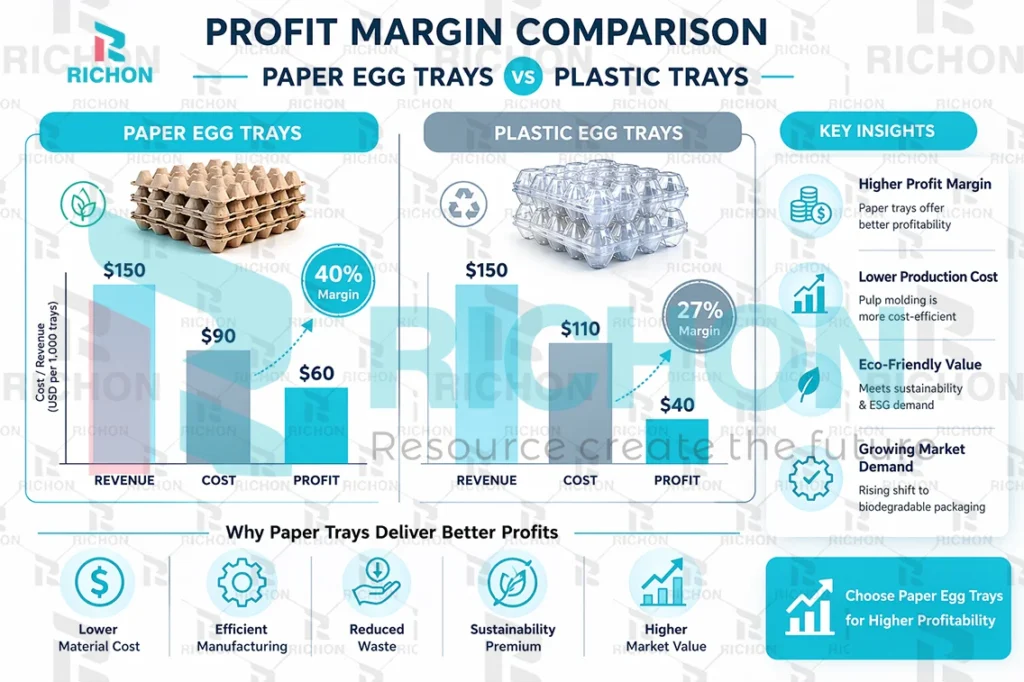
Paper Egg Tray
- Selling price: $0.03–0.045
- Cost: $0.02
👉 Profit:
$0.01–0.02 per tray
Plastic Tray
- Selling price: $0.04–0.06
- Cost: $0.03–0.04
👉 Profit:
$0.01–0.02 per tray
👉 Full profit analysis: egg-tray-profit-margin
Environmental Impact
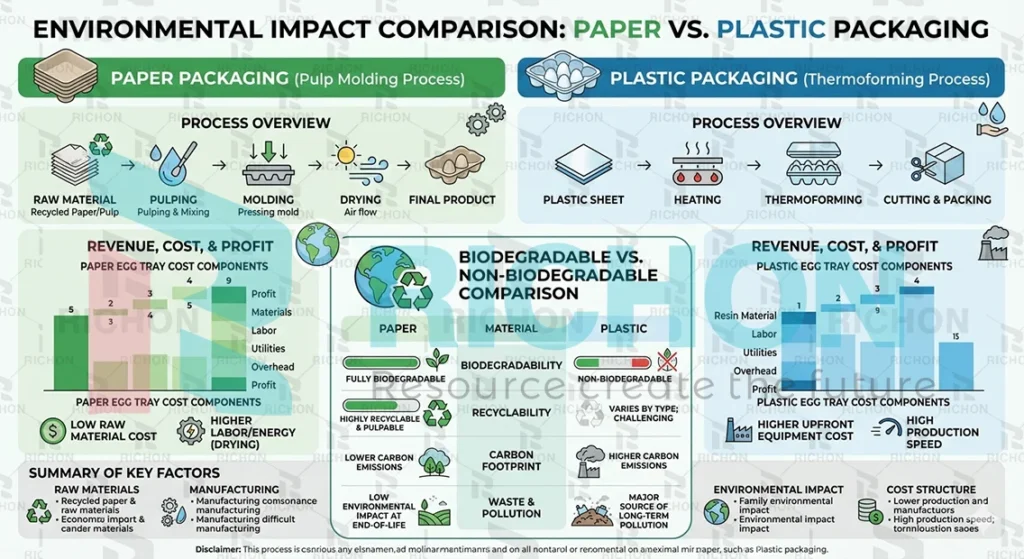
Paper Tray
- Biodegradable ✔
- Recyclable ✔
- Eco-friendly ✔
Plastic Tray
- Non-biodegradable ❌
- Increasing regulatory pressure
- Recycling limitations
👉 Global trend:
❗Paper trays are replacing plastic in many regions
Market Demand Comparison
Paper Tray
- Farms
- Agriculture
- Export markets
Plastic Tray
- Supermarkets
- Retail packaging
- Branding
👉 Business mistakes to avoid: egg-tray-business-mistakes
Risk Comparison
Paper Tray Risks
- Raw material fluctuation
- Drying energy cost
Plastic Tray Risks
- Oil price fluctuation
- Environmental policy risk
Which One Should You Choose?
Decision Guide (Key Visual)
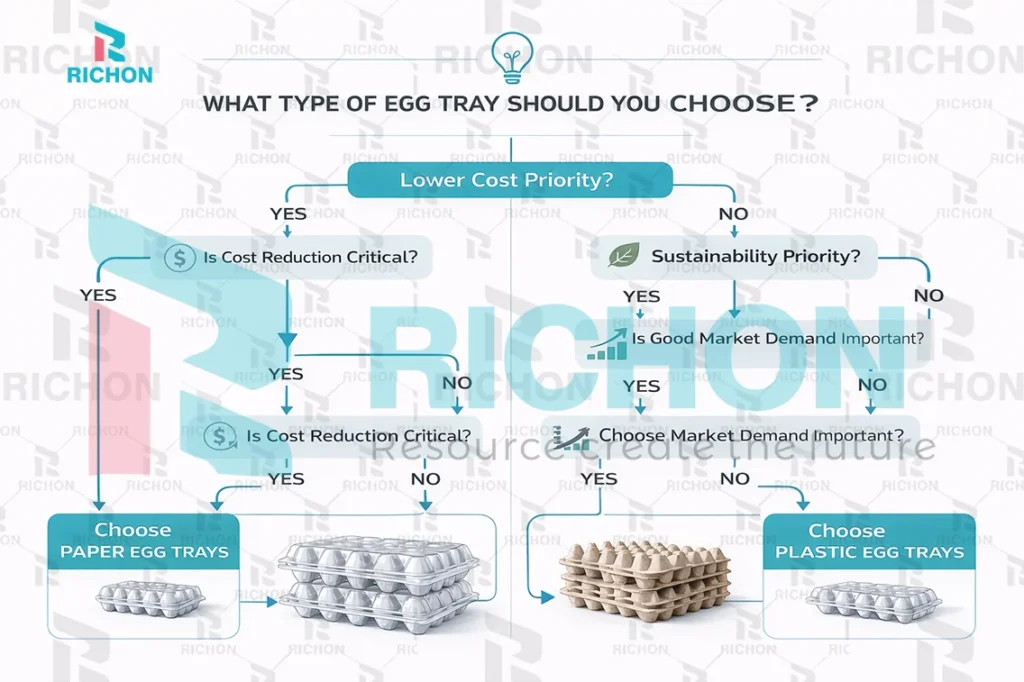
Choose Paper Egg Tray if:
- Lower investment required
- Eco-friendly market
- Stable waste paper supply
Choose Plastic Tray if:
- Retail packaging focus
- High appearance requirement
- Stable plastic supply
Final Conclusion
Paper and plastic egg trays offer similar profit margins—but:
👉 Paper trays:
- Lower environmental risk
- Lower investment
- Strong future growth
👉 Plastic trays:
- Better appearance
- Retail positioning
👉 Explore full production solution: egg-tray-production-line
Need a Capacity Recommendation for Your Market?
Share your target output, local humidity/energy conditions, and tray type. Our engineers will suggest a suitable 3,000–8,000 pcs/h configuration and drying solution.
- Factory layout & utilities checklist
- Drying bottleneck evaluation
- Cost & ROI estimation reference
