


Egg Tray Manufacturing Machine for Paper Egg Tray Production and Waste Paper Recycling
Richon provides paper egg tray making machine and egg tray manufacturing machine solutions for converting recycled waste paper into molded pulp packaging products such as egg trays, egg cartons, fruit trays, and cup holders. This page helps buyers evaluate machine capacity, production workflow, drying system options, factory layout, investment cost, and ROI-based project configuration before starting a paper egg tray production project.
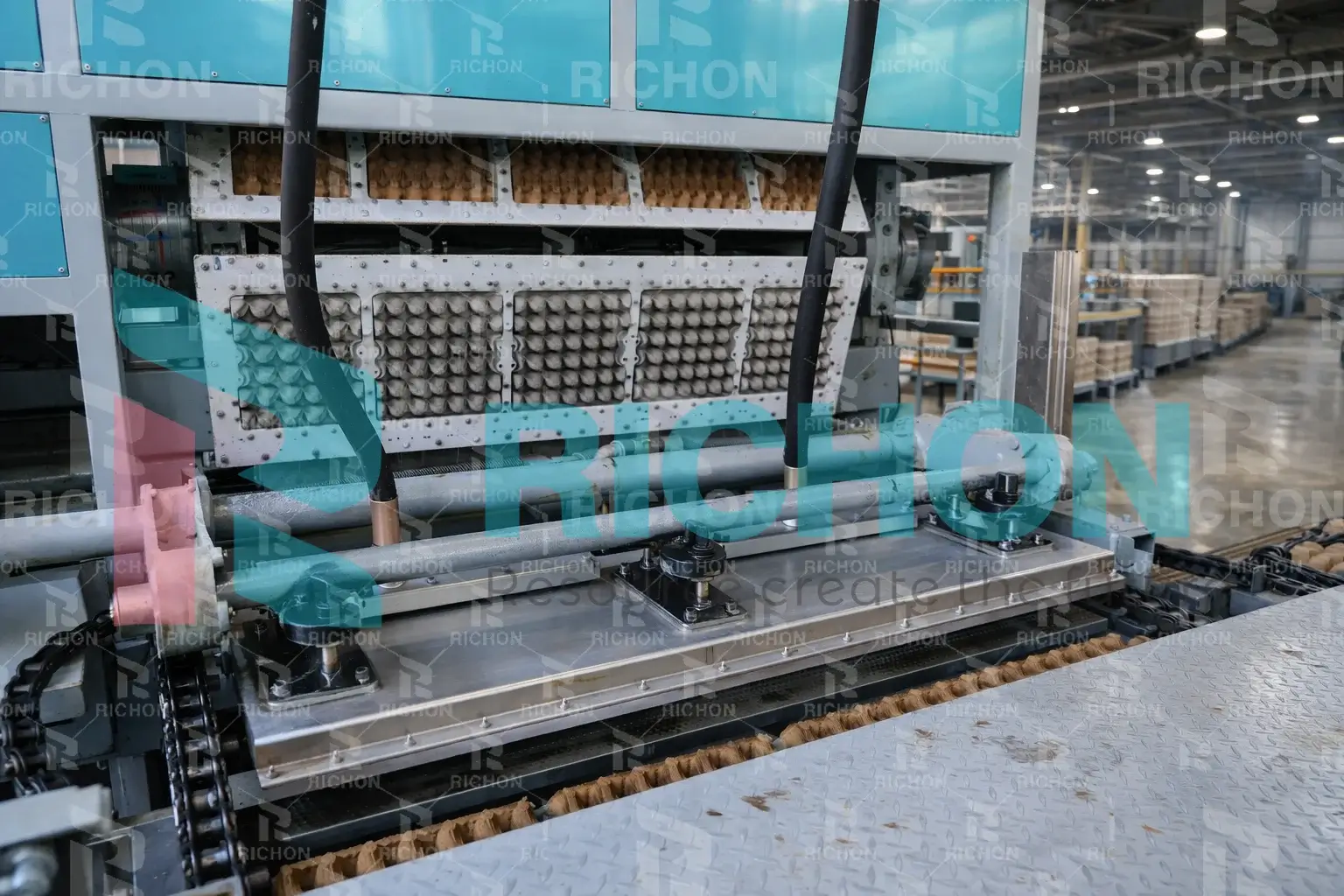
What Is an Egg Tray Manufacturing Machine?
An egg tray manufacturing machine, also called a paper egg tray making machine, is a molded fiber production system used to process recycled waste paper into protective paper packaging products. A complete paper egg tray manufacturing line usually includes pulping, forming, drying, and stacking sections.
Quick answer: An egg tray manufacturing machine converts waste paper pulp into molded pulp trays through pulp preparation, vacuum forming, drying, and stacking. The final machine capacity, power consumption, labor requirement, drying area, investment cost, and payback plan should be confirmed according to the selected model, mold design, drying system, factory layout, and local operating conditions.
Paper Pulp Forming Function
Convert recycled paper into molded pulp packaging through pulping, vacuum forming, drying, and stacking.
Paper Egg Tray Applications
Produce egg trays, egg cartons, fruit trays, drink carriers, and other molded pulp packaging after mold confirmation.
Recycling and ROI Value
Support recycled paper reuse, biodegradable packaging production, and project investment planning for poultry, food, logistics, and retail markets.
How Does an Egg Tray Manufacturing Machine Work?
A paper egg tray making machine usually follows four main stages: pulping, forming, drying, and stacking. Each stage affects tray strength, moisture control, dimensional stability, drying efficiency, and long-term production cost.
Pulping
Waste paper is mixed with water and processed into pulp slurry. Pulp consistency affects forming quality, drainage speed, tray strength, and reject rate.
Forming
The pulp is shaped on molds through vacuum adsorption to form wet paper egg trays with controlled thickness distribution.
Drying
Wet trays are dried by natural drying, brick dryer, or metal dryer systems, depending on climate, capacity, land space, fuel cost, and investment budget.
Stacking
Dried trays are counted, stacked, and prepared for storage or shipment after moisture, shape stability, and product quality are checked.
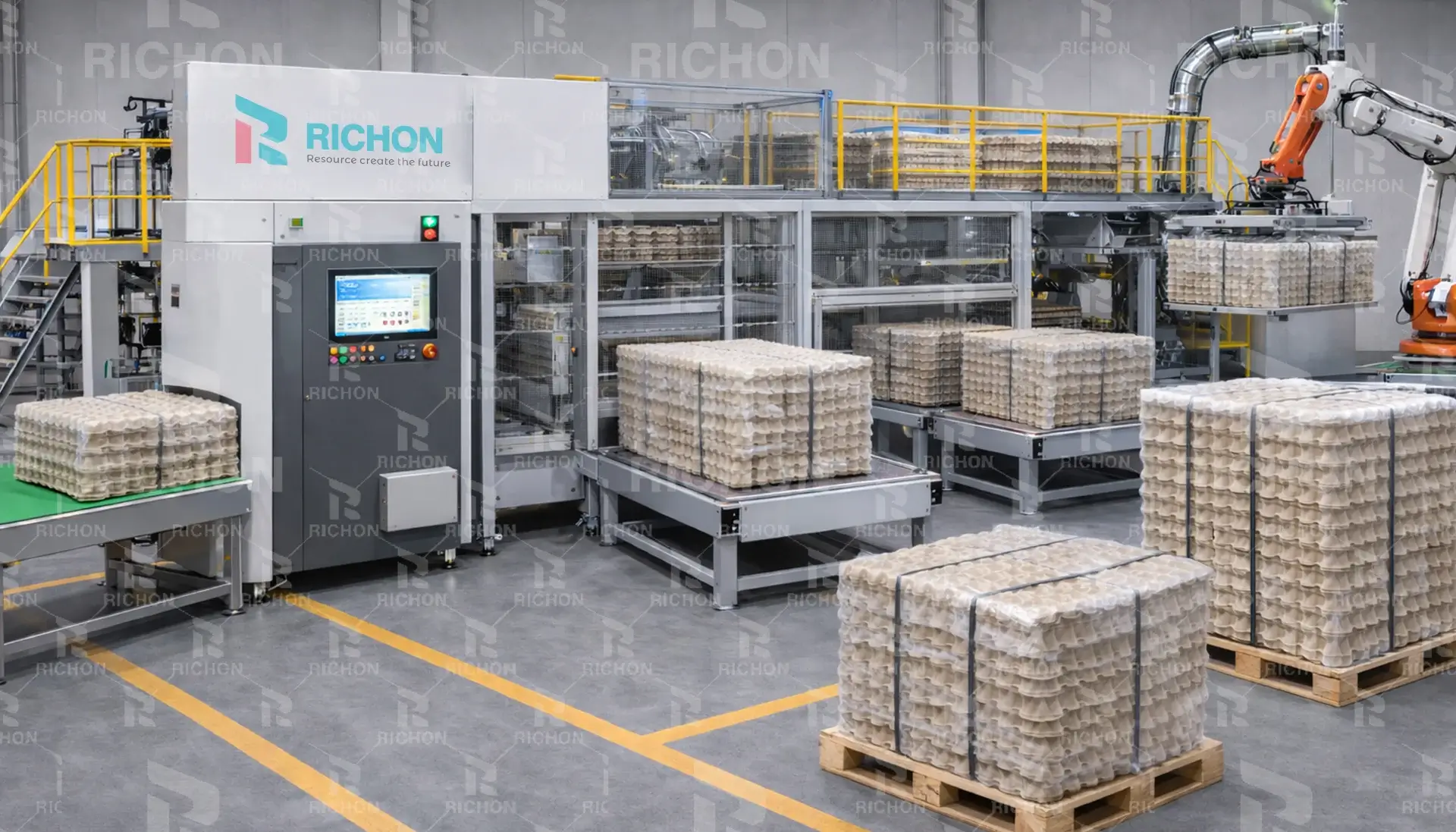
Egg Tray Manufacturing Machine Capacity and Model Range
Richon egg tray manufacturing machine solutions cover different capacity ranges for small, medium, and industrial paper egg tray production projects. Model selection should be checked together with target output, mold design, drying method, factory layout, labor plan, investment budget, and local utility conditions.
| Model | Production Capacity | Molding Stations | Total Power | Power Consumption | Labor Required |
|---|---|---|---|---|---|
| REM3-1 | 800-1000 pcs/h | 3 | 32 kW | 22.4 kW | 3-5 people |
| REM4-1 | 1000-1500 pcs/h | 4 | 36-60 kW | 25.2-42 kW | 4-6 people |
| REM3-4 | 1700-2200 pcs/h | 12 | 55-74 kW | 38.5-51.8 kW | 4-6 people |
| REM4-4 | 2000-2800 pcs/h | 16 | 58-88 kW | 40.6-61.6 kW | 4-6 people |
| REM4-8 | 4000-4500 pcs/h | 32 | 127-144 kW | 88.9-100.8 kW | 4-6 people |
| REM5-8 | 5000-5500 pcs/h | 40 | 153-190 kW | 107.1-133 kW | 5-7 people |
| REM6-8 | 6000-6500 pcs/h | 48 | 226-239 kW | 158.2-167.3 kW | 6-8 people |
| REM8-8 | 8000-9000 pcs/h | 64 | 374 kW | 261.94 kW | 6-8 people |
Main Systems of a Paper Egg Tray Manufacturing Machine
A complete paper egg tray manufacturing machine is not only a forming unit. It is an integrated molded fiber production system that combines pulp preparation, vacuum forming, drying, transfer, stacking, air support, and control coordination for stable daily production.
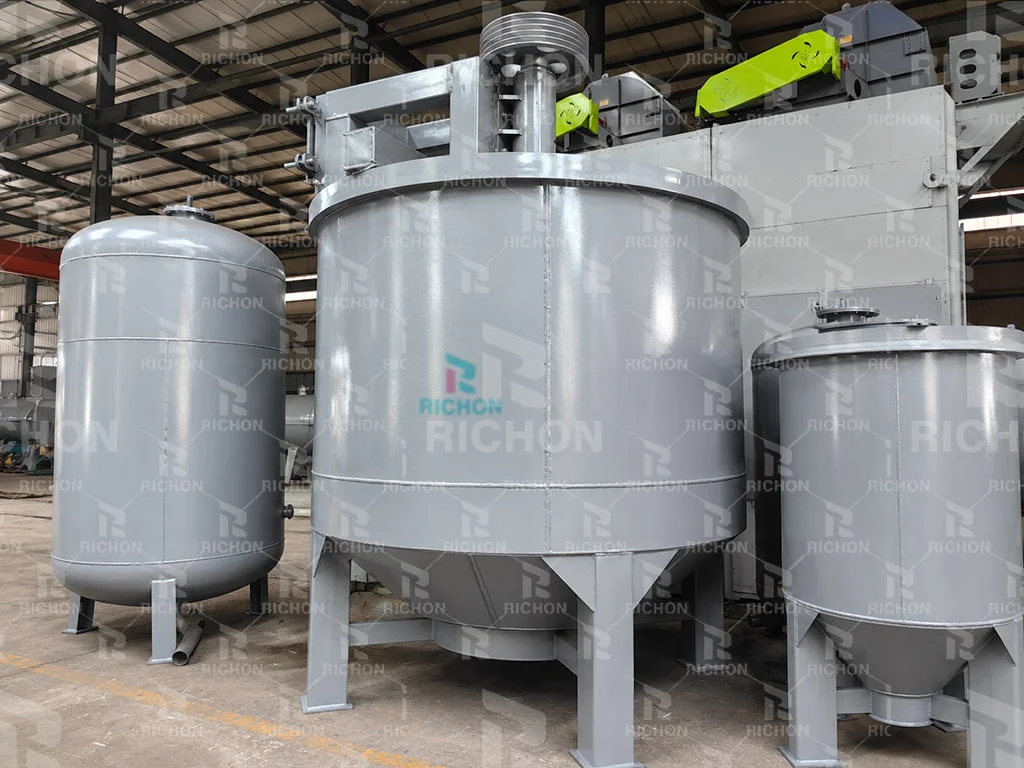
Pulping System
Includes pulper, pulp tanks, pumps, and circulation lines for stable waste paper pulp preparation and fiber distribution.
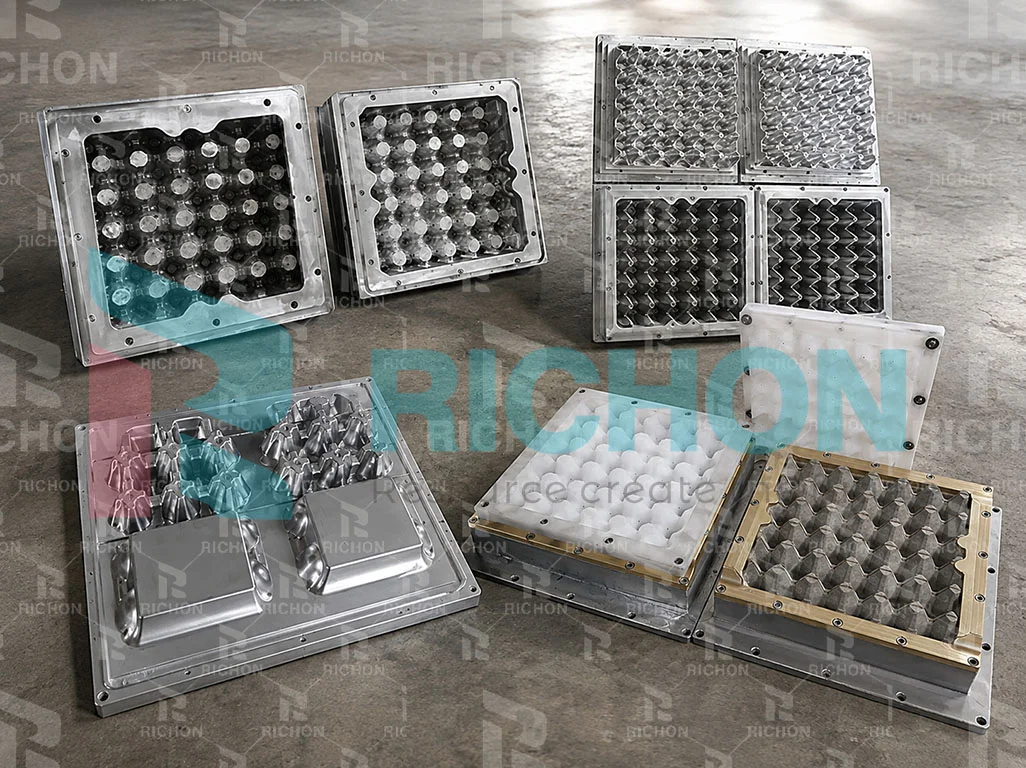
Forming System
Includes molds, molding stations, vacuum support, and forming motion structure. Mold drainage directly affects wet tray quality and production stability.
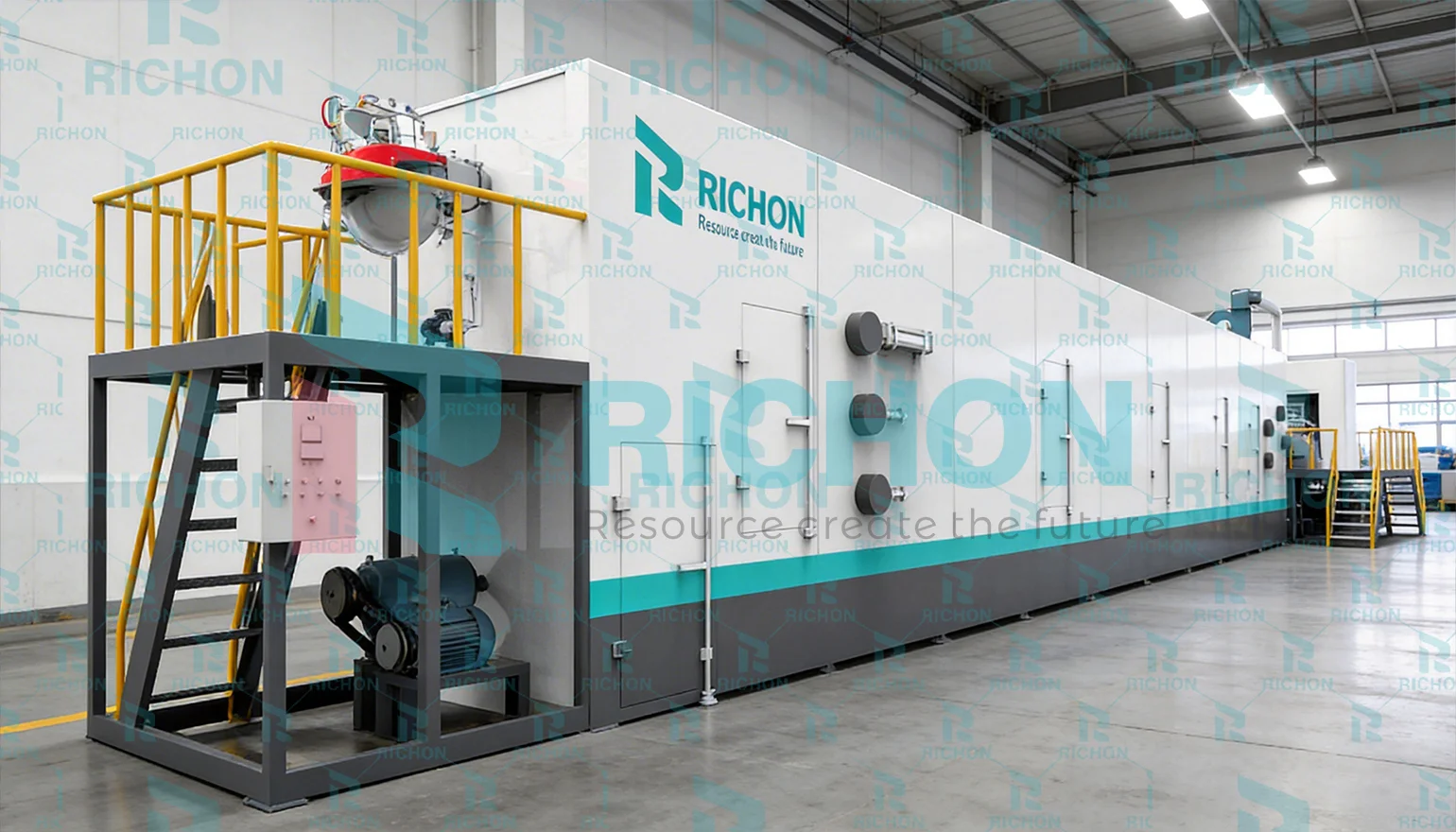
Drying System
Supports moisture reduction by natural drying, brick dryer, or metal dryer systems according to project capacity, climate, fuel source, and investment conditions.
Stacking System
Organizes dried trays for counting, handling, packaging, and shipment after drying quality and tray shape stability are confirmed.
Vacuum and Air Support
Supports forming, transfer, demolding, and wet tray stability through auxiliary vacuum and air systems.
Control System
Coordinates machine rhythm, safety logic, forming cycle, transfer timing, and stable paper egg tray production operation.
Raw Materials for Paper Egg Tray Manufacturing
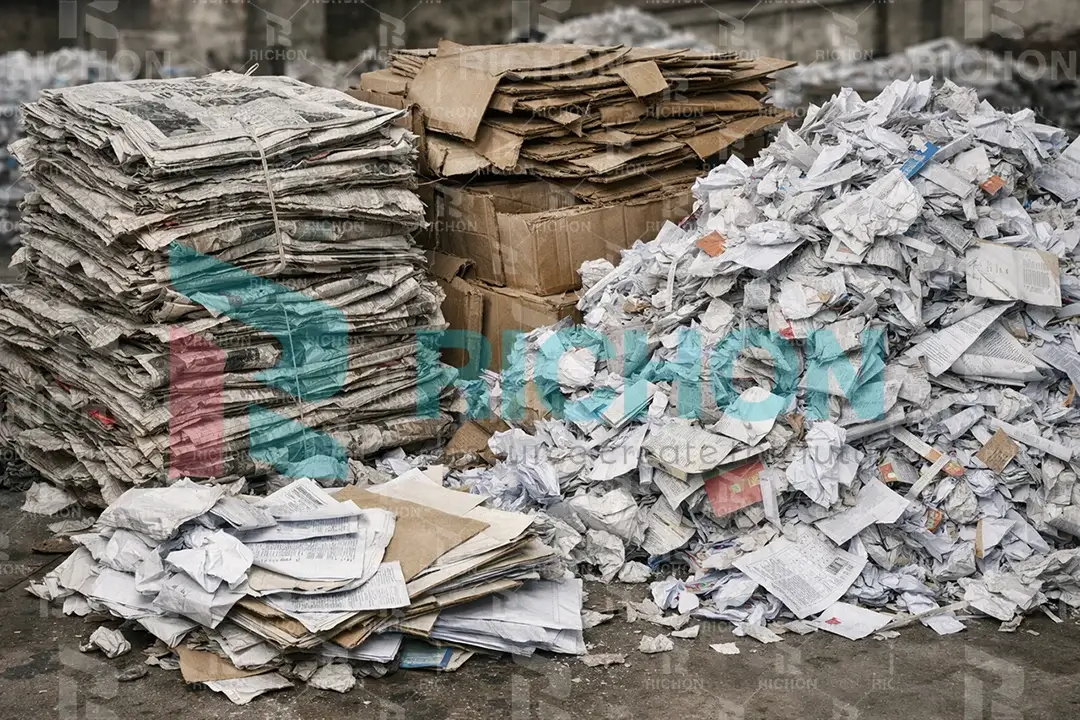
Most paper egg tray manufacturing machine projects use recycled waste paper as the main raw material. Common sources include newspapers, cartons, corrugated paper, office paper, and other recyclable paper fiber.
- Newspapers and printed paper
- Corrugated cartons and board
- Office paper and mixed recycled paper
- Local recycled paper collection sources
Raw material quality influences pulp consistency, drainage speed, tray strength, drying behavior, and reject rate. Stable waste paper supply also affects long-term production cost and ROI planning for a paper egg tray production project. For more detail, read the egg tray production process guide .
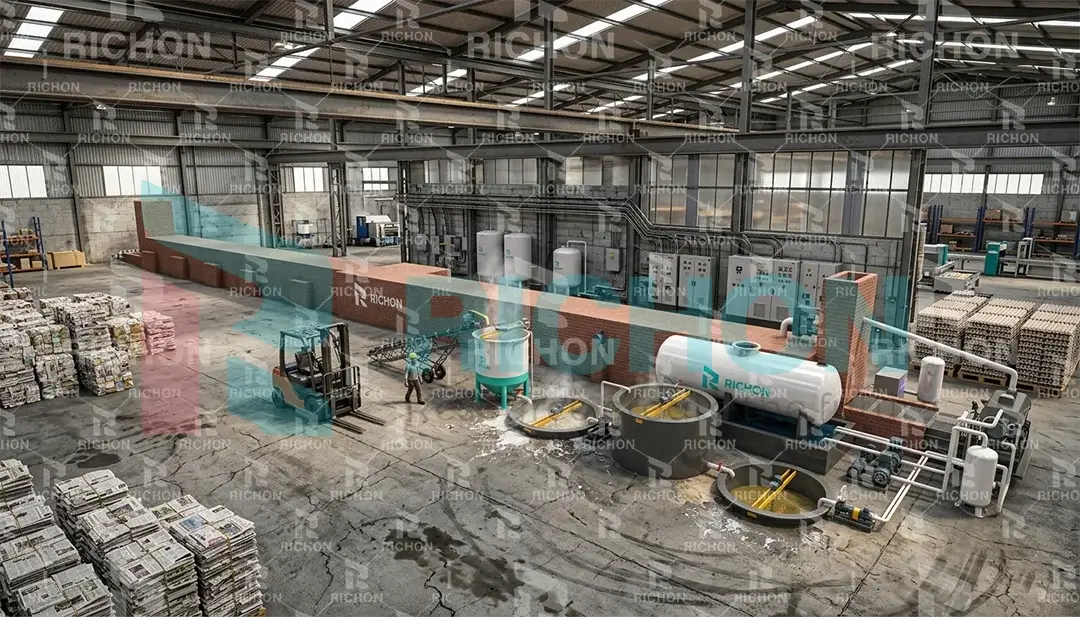
Factory Layout Planning for an Egg Tray Manufacturing Machine Project
Factory layout should be planned around material flow, water circulation, machine access, drying route, finished product storage, utility connections, and future expansion. The required area depends on machine capacity, drying method, warehouse needs, labor movement, and local site conditions.
Raw Material and Pulping Area
Keep waste paper storage, pulping, water supply, drainage, and pulp tanks organized to support stable daily paper egg tray production.
Forming and Transfer Area
Leave enough space for egg tray manufacturing machine access, mold handling, maintenance work, operator movement, and safe production flow.
Drying and Storage Area
Plan drying route, airflow, fuel or heat source, cooling, stacking, and finished product storage together to reduce drying bottlenecks.
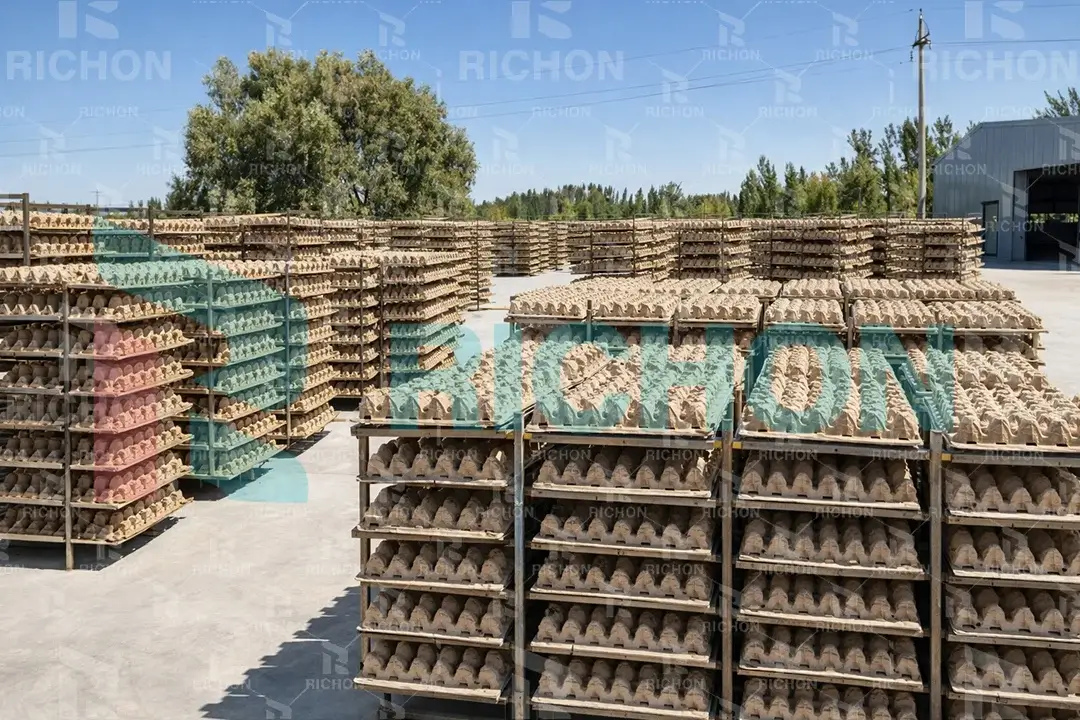
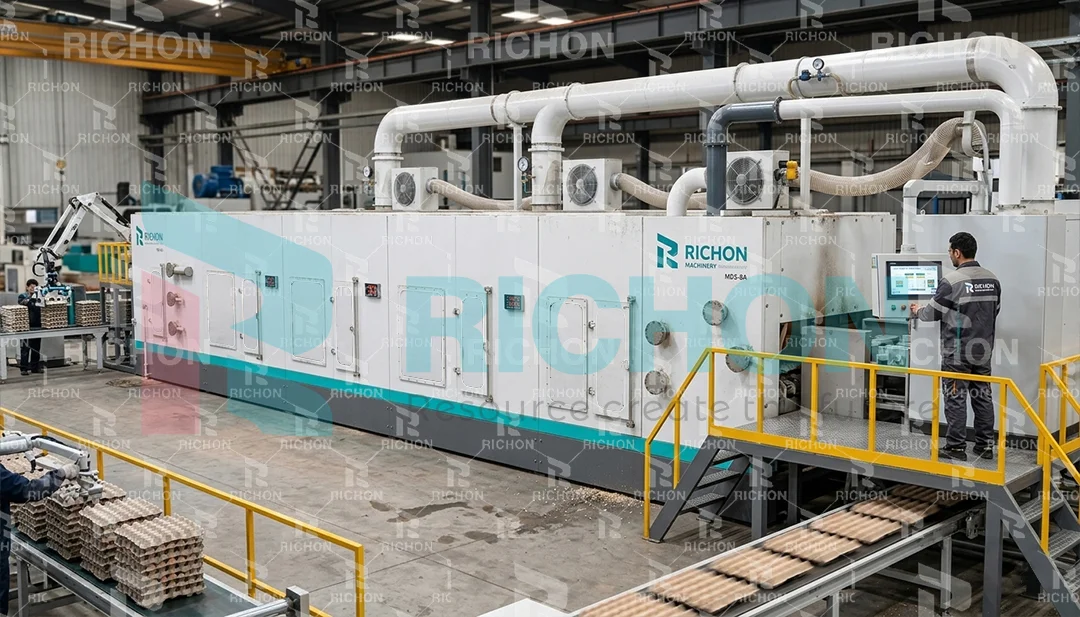
Drying System Options for an Egg Tray Manufacturing Machine
Drying is one of the most important decisions in a paper egg tray production project. The drying method influences product quality, factory layout, operating cost, labor arrangement, production stability, total investment, and project ROI.
Natural Drying
Suitable for warm climates and smaller investments, but highly dependent on weather, land area, manual handling, and drying time.
Brick Dryer
Practical for many mid-scale egg tray manufacturing machine projects because it can reduce equipment investment and use flexible local fuel sources.
Metal Dryer
Suitable for higher automation, controlled airflow, stable drying quality, larger industrial production plans, and more consistent daily output.
Egg Tray Manufacturing Machine Cost and Investment Factors
Egg tray manufacturing machine cost is not determined by the machine body alone. Buyers should evaluate the full project structure, including machine model, drying system, power planning, factory layout, labor arrangement, raw material supply, maintenance plan, and expected payback period.
Machine Model
Different models from REM3-1 to REM8-8 represent different capacity ranges, station quantities, automation levels, and infrastructure needs.
Power Planning
Total power and actual electricity use should be checked with the final equipment configuration, local electricity cost, and daily operating schedule.
Drying Choice
Natural drying, brick dryer, and metal dryer systems have different investment structures, fuel requirements, labor needs, and drying stability.
Labor Arrangement
Labor requirements vary by machine size, automation level, shift plan, material handling, drying method, and factory organization.
Factory Preparation
Foundation work, drainage, storage, utilities, fuel system, drying route, and finished goods area can affect total project investment.
ROI and Payback Planning
Buyers often compare local paper egg tray price with egg tray making machine price, drying cost, labor cost, raw material cost, and reject rate to estimate profit margin and payback period.
What Products Can Be Produced by an Egg Tray Manufacturing Machine?
A paper egg tray making machine is mainly used for egg tray production. With different molds, product structure confirmation, and process evaluation, the same molded fiber production platform may also be configured for egg cartons, fruit trays, cup holders, and other paper pulp packaging products.
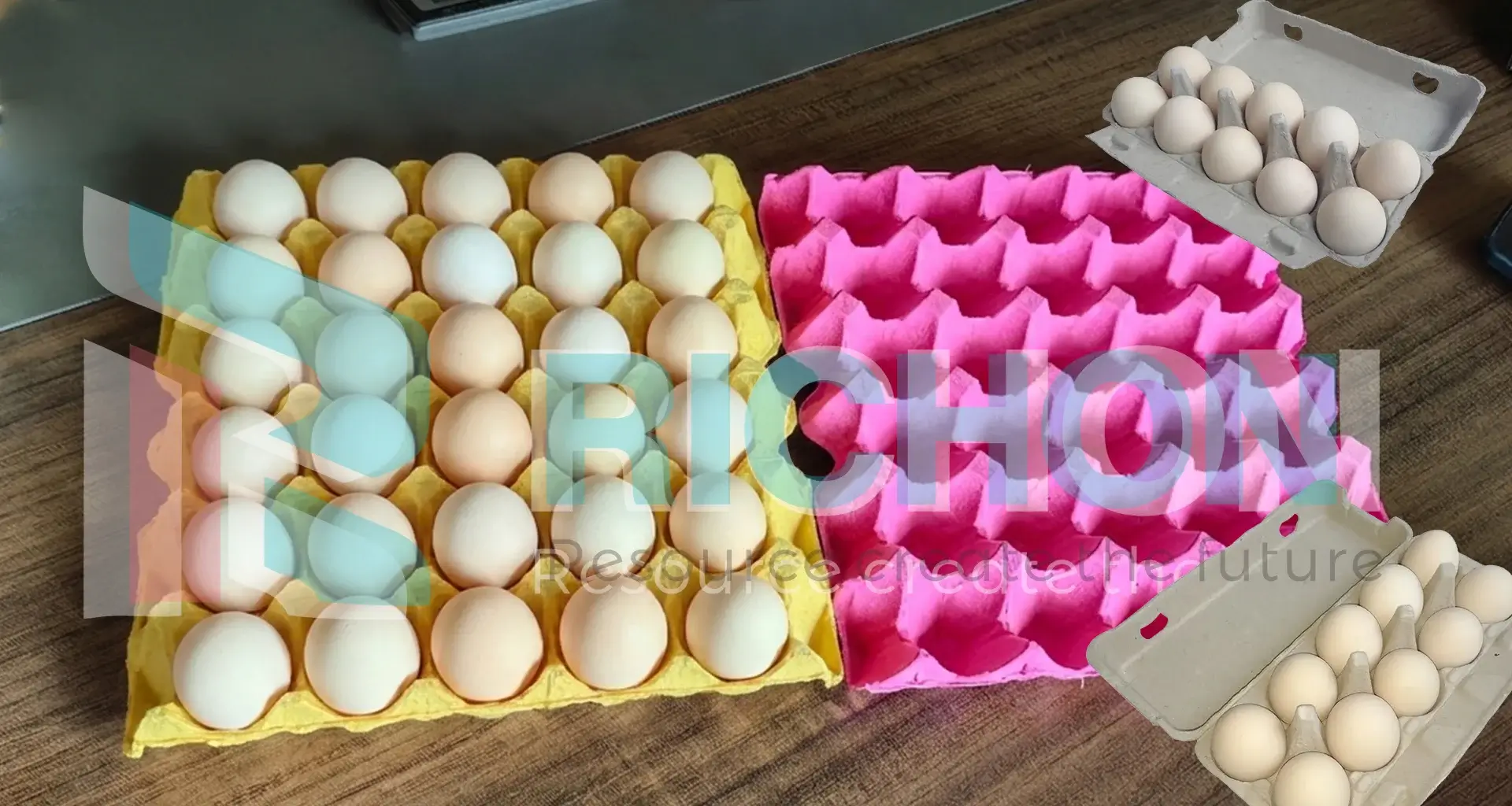
Egg Trays
Protect eggs during collection, storage, transportation, and wholesale distribution.
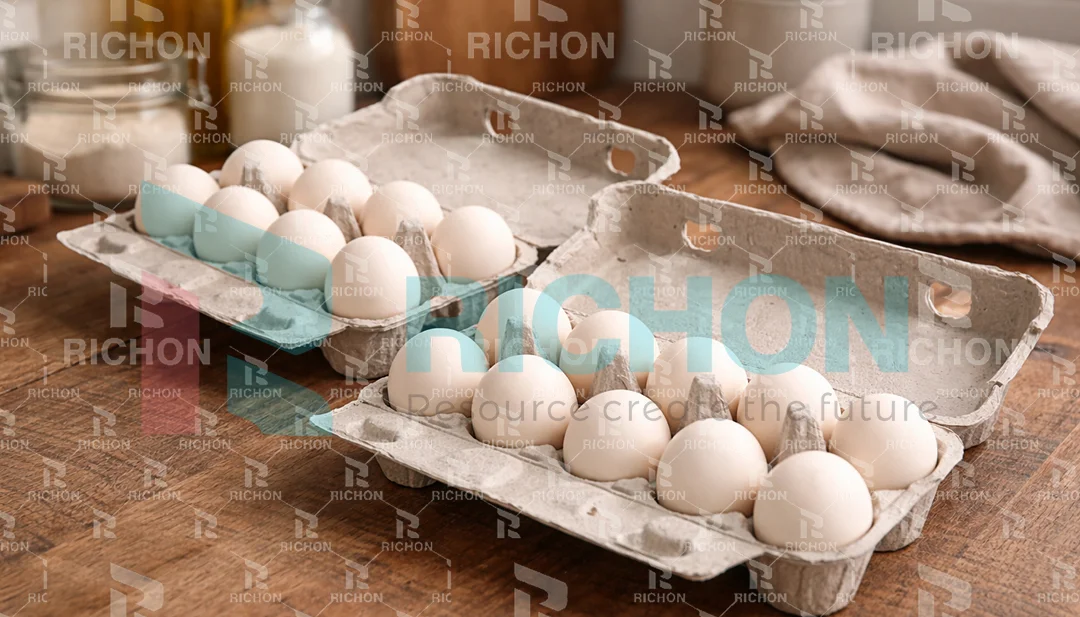
Egg Cartons
Used for retail packaging, supermarket egg sales, and branded paper pulp packaging.
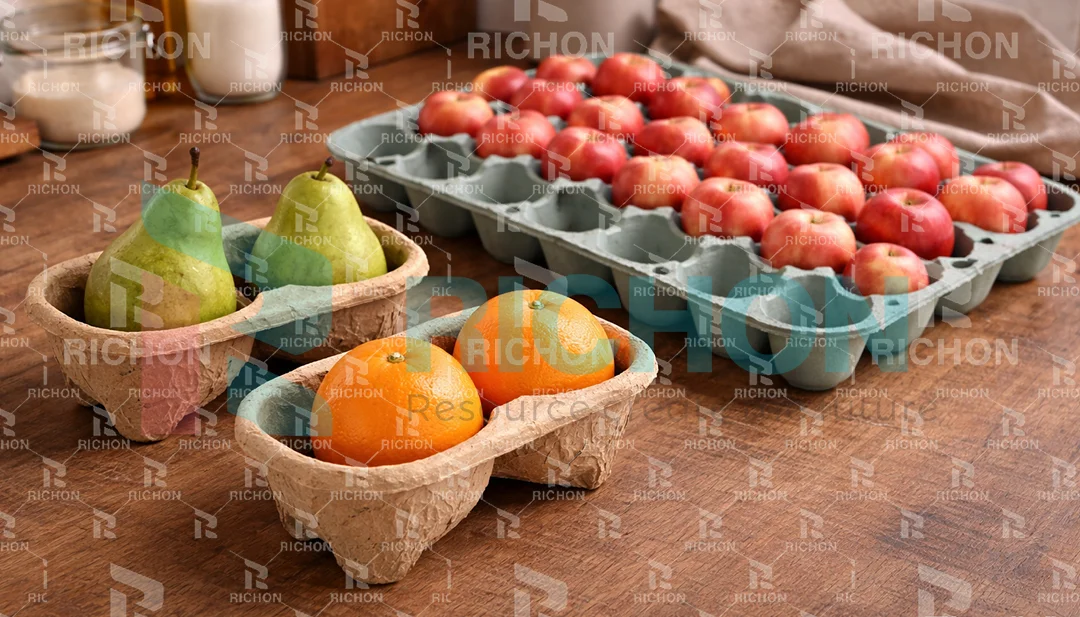
Fruit Trays
Support fruit packaging and reduce collision damage during storage and logistics.

Cup Holders
Provide molded pulp beverage carriers for takeaway, delivery, and retail packaging.
Egg Tray Manufacturing Machine Project Installations
Project references help buyers compare machine suitability, drying system choice, factory layout, local raw material conditions, labor arrangement, and ROI planning in different markets. Final specifications should always be checked according to each project case and site condition.
Russia Egg Tray Factory
Reference project for egg tray manufacturing machine configuration, molded fiber equipment application, and factory production planning.
India Egg Tray Factory
Project reference for 5000 pcs/h production planning, local recycled paper utilization, drying selection, and line configuration.
Cameroon Egg Tray Factory
Reference for African market planning, drying system selection, investment control, and project payback evaluation.
Indonesia Egg Tray Plant
Reference for Southeast Asian site conditions, factory layout planning, drying route design, and industrial production setup.
Evidence Buyers Can Check Before Choosing Richon
A reliable egg tray machine supplier should be evaluated through identifiable company information, visible manufacturing activity, traceable export projects, practical inspection steps, and project documentation—not by marketing claims alone.
Richon’s manufacturing roots date to 1991, beginning as a small owner-operated workshop. The business was formalized as RICHON GROUP CO.,LTD in 2020. The legal-entity date and earlier manufacturing history are stated separately to avoid ambiguity.
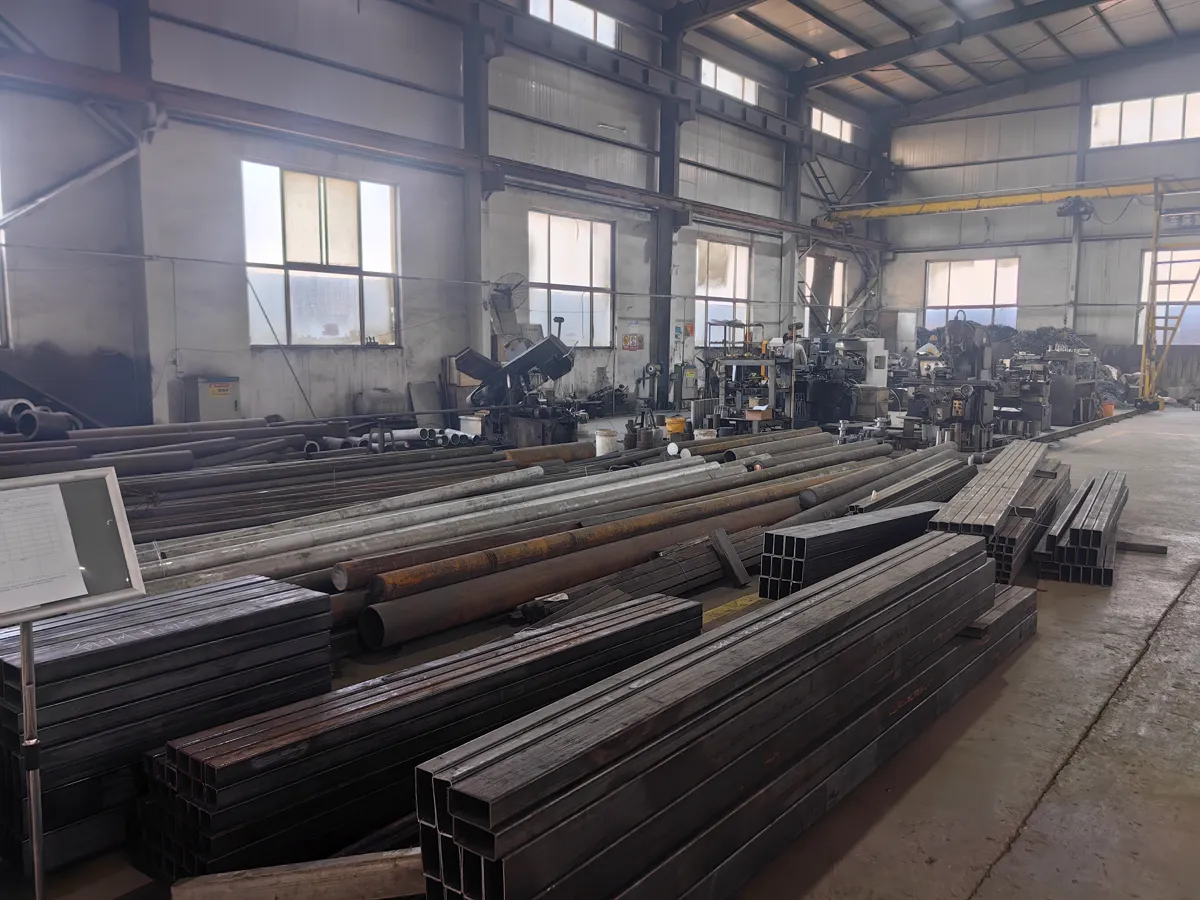
Material Preparation
Factory records show steel materials and workshop preparation used in equipment production.
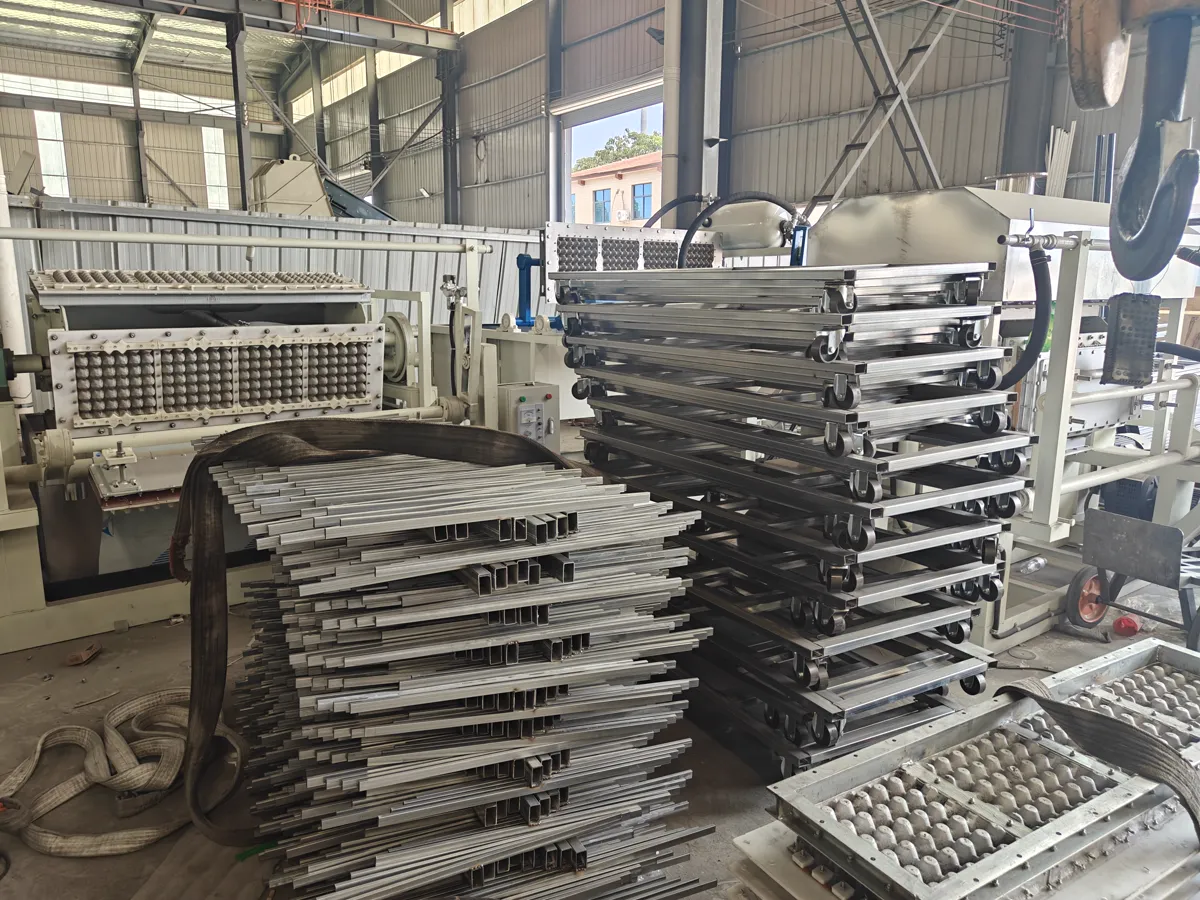
Equipment Assembly
Assembly-stage photos provide buyers with visible evidence beyond a catalog-only supplier profile.
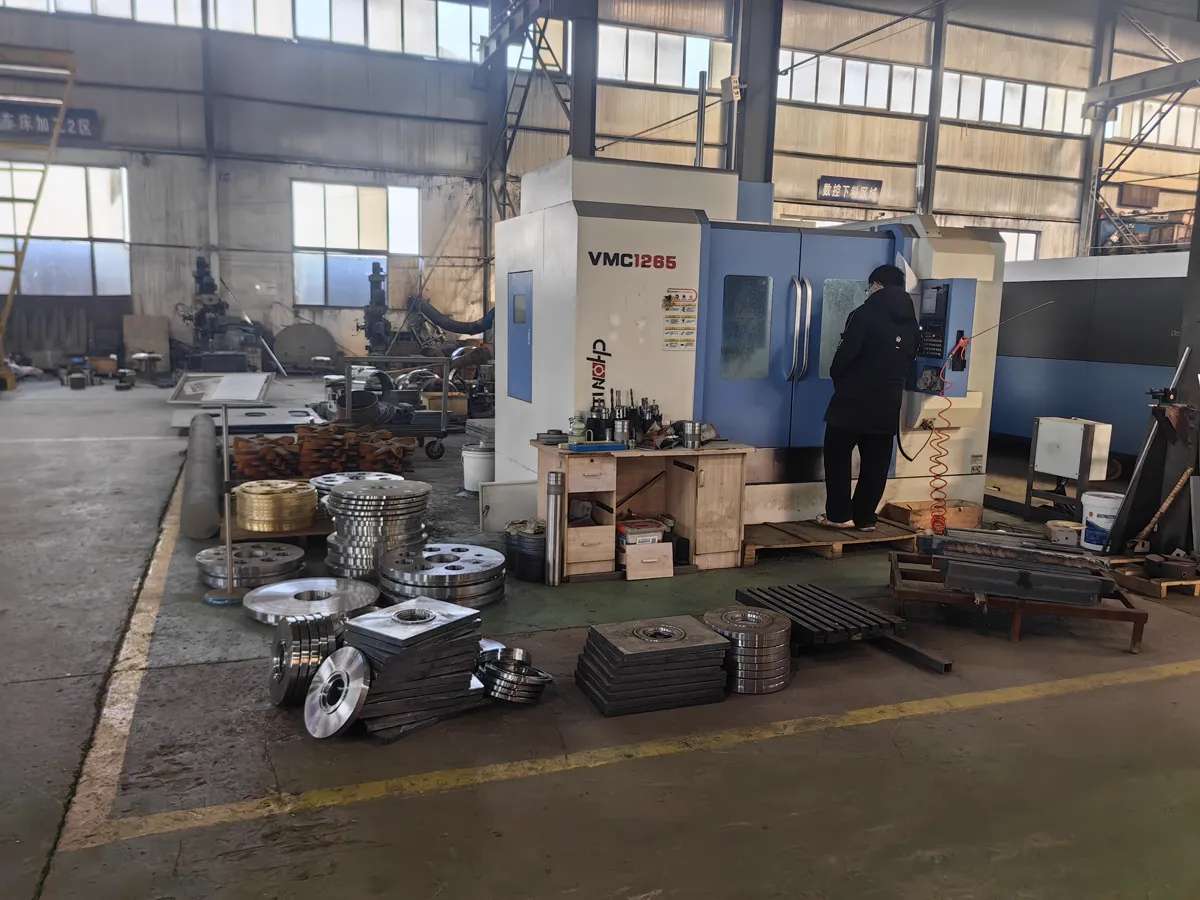
Parts Machining
Workshop images document CNC machining and prepared mechanical parts used in equipment production.
Documented Export Project Records
| Market | Line configuration | Recorded capacity range | Delivery | Evidence status |
|---|---|---|---|---|
| Congo | 4-4 line | 2,500–3,000 pcs/h | 2025 | Site media and project record on file |
| Kazakhstan | 5-8 line | 5,000–5,500 pcs/h | 2023 | Site media and project record on file |
| Uzbekistan | 6-8 line | 6,000–6,500 pcs/h | 2024 | Site media and project record on file |
The figures describe the recorded project configuration range. Actual production depends on final equipment configuration, raw material, drying, utilities, operation, and site conditions.
Pre-Shipment Checks Matched to the Equipment
Compare a supplier against your project requirements
Send the target product, capacity, factory space, local power conditions, and preferred drying method.
REM 4-4 Egg Tray Production Line Installation in Congo
Watch a real Richon REM 4-4 egg tray production line project with a metal drying system, designed for 2,500–3,000 pcs/h paper egg tray production.
Real Project Commissioning for 2,500–3,000 pcs/h Production
This Congo project shows the on-site installation and commissioning of a Richon REM 4-4 egg tray production line. The system is configured with a metal dryer to support stable drying performance, smoother production flow, and higher automation for commercial paper egg tray manufacturing.
- Project stage: installation, commissioning, and production testing
- Line sections: pulping, forming, transfer, drying, and stacking
- Planning focus: capacity selection, drying layout, energy use, labor, and ROI
Frequently Asked Questions About Egg Tray Manufacturing Machines
What is an egg tray manufacturing machine?
An egg tray manufacturing machine is a molded fiber production system that converts recycled waste paper into paper pulp trays through pulping, vacuum forming, drying, and stacking. It is also commonly called a paper egg tray making machine or paper egg tray machine.
What is the production capacity of an egg tray manufacturing machine?
Richon listed models cover about 800-9000 pcs/h. The final output should be confirmed based on the selected model, mold design, product type, drying method, raw material quality, and operating conditions.
What affects egg tray making machine price?
Egg tray making machine price is affected by machine capacity, automation level, mold quantity, drying system, power configuration, factory layout, installation requirements, and long-term operation needs. Buyers should evaluate machine cost together with drying cost, labor cost, energy cost, and expected payback period.
What raw materials can be used for paper egg tray production?
Common materials include newspapers, cartons, corrugated paper, office paper, and other recycled paper fiber. Raw material quality affects pulp consistency, drainage speed, tray strength, drying behavior, and reject rate.
How many workers are needed?
Labor requirements vary by model size, automation level, shift plan, material handling, drying system, and factory organization. The final labor arrangement should be confirmed during project configuration.
What drying methods are available?
The main options are natural drying, brick dryer, and metal dryer systems. Selection depends on climate, land space, fuel source, target capacity, investment budget, and drying quality requirements.
Can one egg tray manufacturing machine produce different molded pulp products?
Yes, the platform can be configured for different molded pulp products by changing molds and confirming product design. Mold drainage, pulp formula, drying behavior, stacking method, and machine configuration should be evaluated before production.
What information should I provide before requesting a project proposal?
Useful information includes target capacity, target product, raw material type, available factory space, preferred drying method, fuel source, local power conditions, labor plan, investment budget, and expected ROI or payback target.
Need Help Choosing the Right Egg Tray Machine?
Tell us your target production capacity, factory space, drying preference, raw material conditions, and local power or fuel situation. Richon engineers can help evaluate a suitable model and project configuration.